
Plants
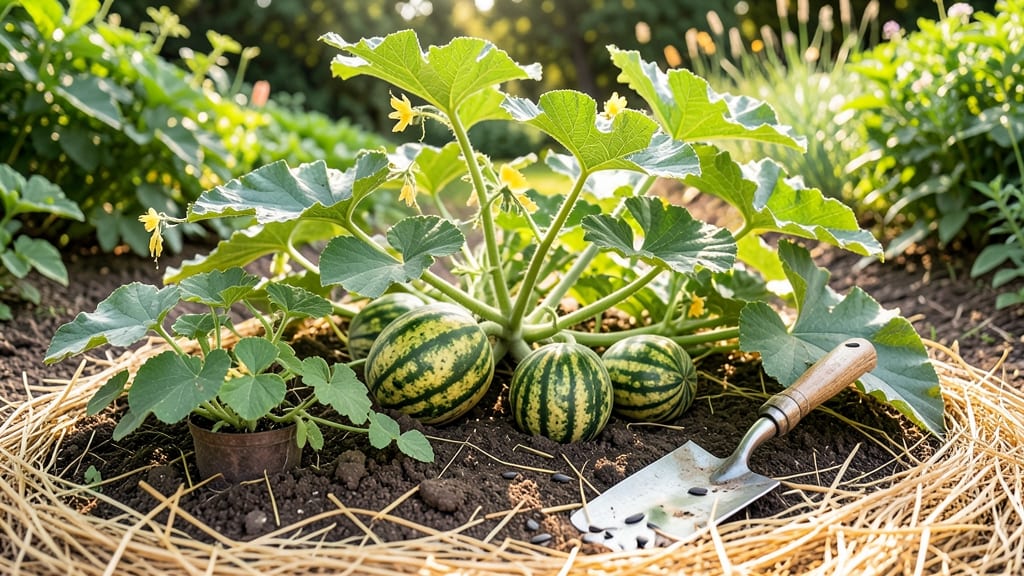
Plant watermelons in Oklahoma between mid-April and early June, after the last frost and when soil temperatures hit at least 70°F—the sweet spot for germination and strong vines.
Miss that window, and you risk frost damage or a harvest that never ripens. Too late, and the heat of summer arrives before your melons mature, leaving you with bitter, undersized fruit instead of juicy, vine-ripened sweetness.
Oklahoma’s varied USDA zones 6a-7b mean timing matters—whether you’re in the cooler Panhandle or the warmer southern plains. I’ll break down the exact frost-free dates by zone, the best varieties for your climate, and how to stretch your season with mulch or row covers.
By the end, you’ll know not just when to plant, but how to maximize your yield with soil prep, watering tricks, and the telltale signs your watermelon is ready to harvest—no guesswork involved.
Oklahoma watermelon planting dates by hardiness Zone: avoid frost and maximize growth
Oklahoma’s three USDA hardiness zones (7a, 7b, 8a) create distinct planting windows for watermelons, where timing directly impacts yield and sweetness. In Zone 7a, cooler springs mean you’ll need to wait longer for soil warmth, while Zone 8a gardeners can start earlier.
The key? Planting after the last frost date and when soil temperatures hit 70°F or higher—any earlier, and your seeds will rot.
Watermelons are heat-loving annuals that thrive with 6-10 hours of sunlight daily and consistent moisture. In Oklahoma, the growing season spans 180 frost-free days, giving you plenty of time for a bountiful harvest if you time it right.
Whether you’re direct sowing seeds or transplanting seedlings, understanding your zone’s specific window is critical for avoiding frost damage and maximizing growth.
For Zone 7a gardeners, patience is key—wait until late April to plant, even if soil feels warm. Use black plastic mulch to raise soil temperatures 5-10°F faster and extend your season.
In Zone 7b, you can start as early as mid-April, but monitor nighttime temperatures; watermelon seeds won’t germinate below 60°F. Meanwhile, Zone 8a offers the earliest window, with early April being ideal for direct sowing.
If you’re transplanting seedlings, wait until all danger of frost has passed and soil is consistently 70°F+. Seedlings should have 3-4 true leaves and be hardened off for 7-10 days before moving outdoors.
Hardening off means gradually exposing them to outdoor conditions (sun, wind) over a week to prevent shock. For direct sowing, plant seeds 1 inch deep and 6 inches apart, with rows spaced 3-4 feet apart to accommodate sprawling vines.
Oklahoma’s summer heat can be intense, so focus on consistent watering—watermelons need 1-2 inches of water weekly, especially during flowering and fruiting stages. Use drip irrigation to keep foliage dry and reduce fungal diseases like powdery mildew.
In Zone 7a, consider row covers for early plantings to protect against unexpected late frosts, which can occur as late as May 10 in some years.
Pro tip: Plant a small test patch of seeds in early April (if soil is warm) to gauge your local frost risk. If those seeds sprout and thrive, you can safely expand your planting.
Conversely, if they rot or fail to germinate, wait another 2-3 weeks before committing. This simple test can save you from wasted seed packets and disappointing harvests.
For extended harvests, succession plant every 2 weeks after your initial planting. This ensures a continuous supply of ripe watermelons from July through September. Choose a mix of early-maturing varieties (like Sugar Baby) and standard types (like Crimson Sweet) to spread out your harvest timeline.
In Zone 8a, you might even squeeze in a fall planting of fast varieties by early August for a late-season treat.
Remember, watermelons need warm soil to germinate—never plant in cold
How to time your watermelon harvest for Oklahoma’s peak sweetness (and avoid common mistakes)
Oklahoma’s summer heat can turn watermelons into sweet, juicy treasures—but only if you harvest them at the perfect moment. Many gardeners make the mistake of picking watermelons based on size alone, leading to bland or underripe fruit.
The key lies in combining days to maturity, soil temperature triggers, and visual ripeness cues unique to Oklahoma’s climate. Let’s break down how to nail your harvest window and avoid the most common pitfalls.
Watermelons thrive in Oklahoma’s 70-90°F soil temperatures, which typically align with late May through July. However, Oklahoma’s unpredictable heat spikes can accelerate ripening, so tracking both plant maturity and weather patterns is critical.
For example, a 75-day variety planted in early May might be ready by early July, but a sudden heatwave could push that window to late June. The trick is balancing these factors with physical ripeness indicators that don’t rely solely on calendar dates.
⚠️ Common Mistake: Harvesting watermelons when they’re full-sized but still underripe. Many gardeners assume a watermelon is ready just because it’s the same size as store-bought ones—this often leads to watery, seedy, or bland fruit. In Oklahoma’s heat, this mistake is even more costly because the window between perfect ripeness and overripeness (where fruit becomes mushy) is narrower than in cooler climates.
🌱 5 Key Steps to Time Your Oklahoma Watermelon Harvest
- 1. Count Days to Maturity
Check your seed packet for days to harvest (typically 70-90 days) and mark your planting date on a calendar. Oklahoma’s Zone 7a-8a allows for two planting windows: early May and late June for fall varieties. - 2. Monitor Soil Temperature
Use a soil thermometer to confirm temperatures are consistently above 70°F—this triggers faster ripening. In Oklahoma, this usually happens by mid-May, but can vary by 5-7 days depending on microclimate. - 3. Check the Tendril Test
The small tendril near the stem should turn brown and crispy. If it’s still green, the melon needs 7-10 more days of warmth. Oklahoma’s heat can dry this tendril quickly, so act fast once it browns! - 4. Test for Hollow Sound
Tap the watermelon with your knuckles—it should sound deep and hollow. A dull thud means it’s underripe. In Oklahoma’s dry heat, overripe melons can also sound hollow but feel soft when pressed. - 5. Inspect the Spot
The ground spot (where the melon rested on soil) should turn cream or yellow. If it’s still white, the melon isn’t ready. This cue is most reliable in Oklahoma’s sandy loam soils, which can affect color intensity.
Extending your harvest season in Oklahoma’s cooler early spring or late summer is easier than you think. If you’re in Zone 7a and worry about late spring frosts, use black plastic mulch to warm the soil by 5-10°F and plant heat-tolerant varieties like ‘Sugar Baby’ or ‘Crimson Sweet’.
For fall harvests, opt for shorter-day varieties and cover young plants with floating row covers to protect against early October chill.
One of the biggest mistakes Oklahoma gardeners make is overwatering as harvest nears. Watermelons need consistent moisture during growth, but reduce watering by 50% 2 weeks before harvest to concentrate sugars.
In Oklahoma’s heat, this means switching from daily watering to every other day while keeping soil evenly moist but not soggy. The result? Sweeter, more flavorful fruit that’s worth the wait.
Pro tip: If you’re unsure whether your watermelon is ready, cut one open as a test. A perfectly ripe Oklahoma-grown watermelon will have bright red flesh, small black seeds, and a juicy, crisp texture.
If it’s pale or seedy, give the others 3-5 more days of warmth. With these cues, you’ll never miss the peak sweetness window again—just in time for summer picnics and late-summer barbecues! 🍉