
Orchid Care
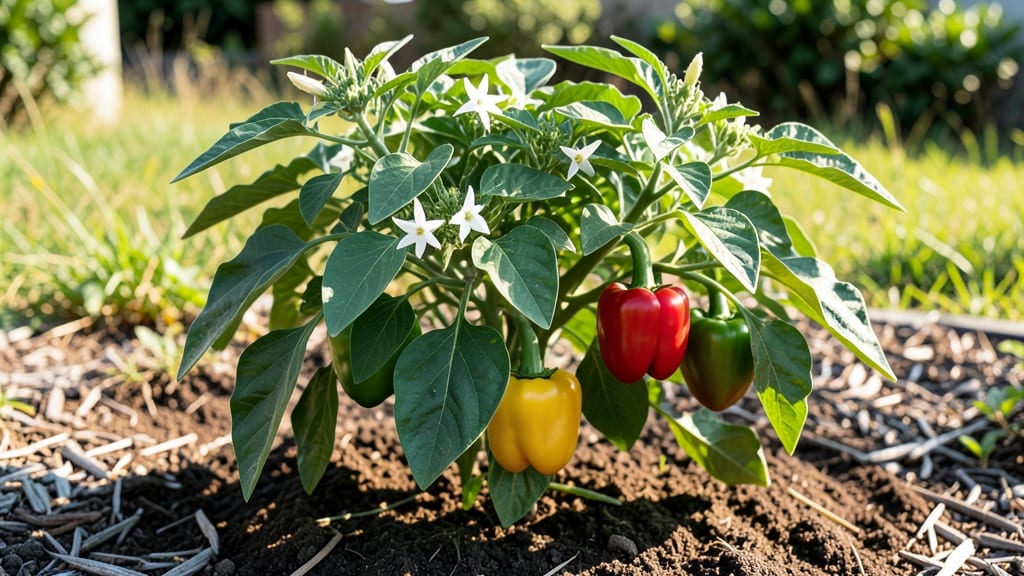
Whether bell peppers are annuals or perennials depends on your climate: they act as annuals in most regions because they die after fruiting, but in warm zones like USDA 9-11, they can survive multiple years with frost protection and proper care.
This difference comes down to temperature sensitivity—bell peppers are tropical plants that bolt (produce flowers and fruit) when days get shorter, then decline as temperatures drop. 🌱 In cooler climates, gardeners replant yearly because the plants can't withstand frost, but in frost-free zones, they'll keep producing with winter mulch and shade.
I've seen home gardeners in Florida keep the same plants for 3-4 years by wrapping them in burlap during rare cold snaps.
What's interesting is how variety plays a role: some pepper types like 'Jalapeño M' or 'NuMex Heritage' are slightly more cold-tolerant, making them better candidates for perennial growing.
The key is balancing sunlight, water, and winter protection—think of it like giving your peppers a cozy blanket when temperatures dip below 50°F.
💡 In This Article
- Why Bell Peppers Act Like Annuals in Most Gardens
- How to Grow Bell Peppers as Perennials in Warm Climates
Why bell peppers act like annuals in most gardens
Bell peppers are tropical plants at heart, evolved in warm climates where temperatures rarely drop below 50°F. Their natural growth cycle is tightly linked to daylight: as days shorten in autumn, they trigger a physiological response called bolting—producing flowers and fruit before declining.
This is why they act like annuals in most gardens, completing their life cycle in one season and dying after fruiting. 🌱 The problem isn't just cold weather—it's the combination of temperature drops and reduced daylight that signals the end of their growth phase.
The real damage comes when temperatures hit 32°F or below, where frost causes cellular damage to their leaves and stems. Unlike hardy vegetables like kale or cabbage, bell peppers lack the protective mechanisms to survive freezing.
Their large, fleshy leaves act as solar collectors, but this same trait makes them vulnerable to cold snaps. In USDA Zones 3-8, gardeners typically see their plants wilt and die after the first frost, with some varieties producing fruit until 40°F before shutting down completely.
There's also a genetic factor: most commercial bell pepper varieties are bred for high yield and fruit quality rather than cold tolerance. These plants allocate most of their energy to producing fruit rather than developing cold-resistant structures.
Even if you protect them from frost, the shortened daylight in winter triggers their natural decline cycle. This is why you'll rarely see bell peppers overwintering successfully in cooler climates—it's not just about temperature, but the complete environmental signal that tells the plant it's time to die.
What's fascinating is how this compares to their wild relatives. Wild peppers in their native Central and South American habitats grow as perennials, producing fruit year-round in stable tropical conditions.
The domestication process for commercial varieties prioritized traits like larger fruit size and sweeter flavors over cold hardiness. 💛 This explains why home gardeners in Zone 5 might get excited about their first bell pepper harvest, only to watch their plants wither by October.
The takeaway is that bell peppers' annual behavior in most gardens isn't a flaw—it's an adaptation to their tropical origins. When you understand this biological clock, you can appreciate why they thrive as perennials only in frost-free zones where the environmental signals never trigger their decline cycle.
This knowledge helps gardeners set realistic expectations and choose appropriate growing strategies based on their local climate.