
Orchid Care
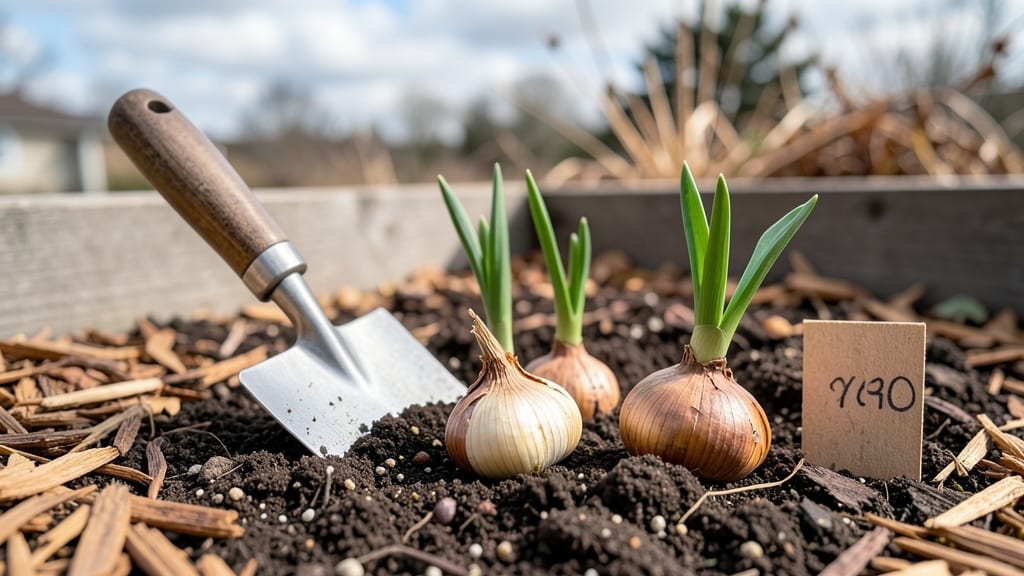
Are bulbs annual or perennial plants? They are generally perennial, meaning they regrow each year from their underground storage structures, though varieties like tulips and hyacinths often need division every 3-5 years to maintain vigor. Their cold tolerance ranges widely, with many thriving in USDA Zones 3-9.
Most bulbs store nutrients in their layered scales during dormancy, allowing them to push new shoots every spring. 🌱 This underground storage system—whether it's a true bulb (like onions), corm (like crocuses), or rhizome (like irises)—is what makes them perennial. The exception?
Some ornamental bulbs like tulips act more like short-lived perennials, fading after a few years unless you dig and divide them. I've seen daffodils in my garden return stronger every year, while tulips need replanting every few seasons to prevent overcrowding.
Cold hardiness depends on the bulb type—daffodils handle Zone 3 winters, while some tropical varieties need Zone 10 protection.
Mulching with straw or leaves in late fall helps insulate roots, and choosing native species often means fewer winter worries. 🌿 For example, alliums (like ornamental onions) thrive in Zones 4-9 with minimal care, while hyacinths prefer Zones 4-8 and may need winter protection in colder regions.
💡 In This Article
- How Bulb Lifespan and Perennials Work
- Cold Hardiness Zones for Popular Bulbs
How bulb lifespan and perennials work
The perennial nature of bulbs comes down to their remarkable underground storage system.
Most bulbs store nutrients in their layered scales, which act like nature's battery—releasing energy to fuel new growth each spring. 🌱 Take daffodils, for example: their bulb can store enough energy to produce flowers for years, even after the above-ground foliage dies back.
This storage mechanism is why you'll often see the same clumps of alliums or tulips returning year after year in well-maintained gardens.
What makes bulbs truly fascinating is how their root systems adapt. Unlike annuals that die completely after flowering, perennial bulbs develop a network of fine roots that remain dormant during winter but spring back to life when conditions improve.
The key difference between true perennials (like daffodils) and short-lived varieties (like tulips) lies in their ability to replenish stored nutrients. Daffodils can sustain themselves through photosynthesis in their leaves, while tulips often deplete their reserves faster, requiring division every 3-5 years to prevent decline.
Here's what happens biologically: During dormancy, bulbs convert starches into sugars and store them in their scales. When temperatures rise in spring, these stored nutrients fuel the growth of new shoots.
The process is similar to how a potato stores energy for sprouting, but bulbs have evolved specialized layers that protect against rot and pests. 💫 This is why you'll often see gardeners recommend leaving foliage intact after flowering—it's photosynthesizing to replenish the bulb's energy stores for next season.
Some bulbs, like crocuses and snowdrops, are true perennials that can live for decades with minimal care. Others, such as hyacinths and grape hyacinths, act more like short-lived perennials, often requiring division every 3-4 years to maintain vigor.
The distinction comes down to how efficiently each type replenishes its energy reserves. For instance, daffodils can thrive for 10+ years in the same spot, while tulips may need replanting every 2-3 years if left undisturbed.
What most gardeners don't realize is that even "perennial" bulbs can be tricked into behaving like annuals if not given proper care. Overcrowding, poor soil, or lack of winter protection can accelerate nutrient depletion.
I've seen beautiful tulip beds in my neighborhood that were replanted every year because the original bulbs had simply worn out. The solution? Regular division and proper winter mulching can extend their lifespan significantly.
Consider this practical example: If you plant a single daffodil bulb in fall, it might produce 5-10 smaller bulbs over 5 years through a process called "bulb offsets." These offsets can be carefully separated and replanted to expand your garden.
This is nature's way of ensuring the species continues—something annuals can't do. The same principle applies to alliums, which often form dense clumps that can be divided to share with fellow gardeners.
The bottom line is that bulbs are nature's perfect gardeners—they store their own food, regenerate, and often outlive the gardeners who plant them. With proper care, many can live for decades, making them one of the most reliable plants for low-maintenance gardens. 🌿