
Plants
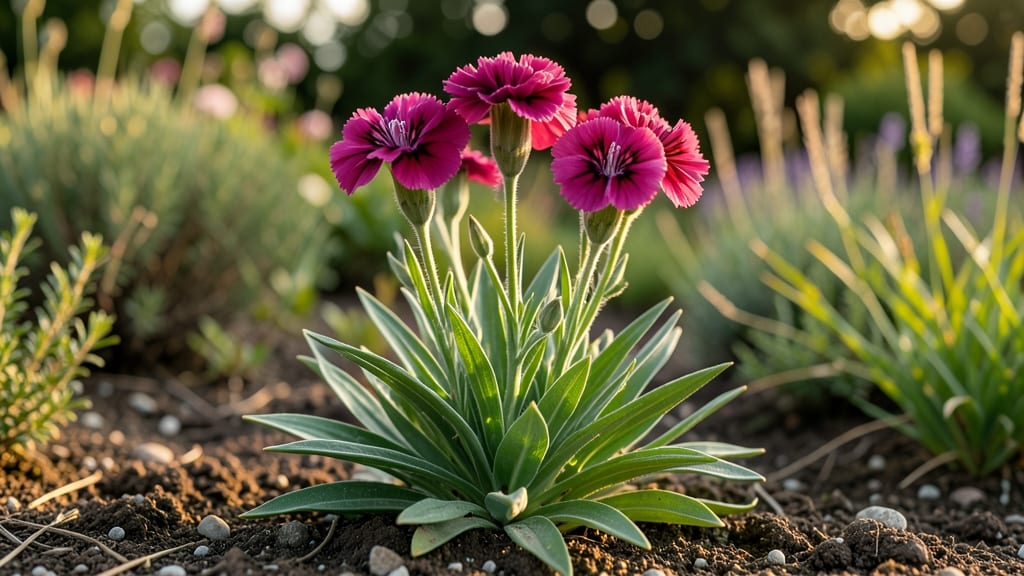
Carnations are perennials in USDA Zones 8-11, where they naturally return each year with proper care, but they're typically treated as annuals in colder regions because frost easily damages their tender foliage. Hardy varieties like Dianthus caryophyllus can survive mild winters if protected.
Carnations are true perennials in warmer climates because their roots can survive year-round with consistent moisture and protection from extreme cold. 🌱 In colder zones, gardeners often replant them annually since the above-ground growth dies back when temperatures drop below 20°F.
The key difference lies in their root hardiness—while the stems and leaves may freeze, the underground system can regenerate when conditions improve.
For gardeners in cooler regions, overwintering techniques like heavy mulching or container protection can help preserve the roots. Some cold-hardy varieties, like the Dianthus barbatus, are better suited for multi-year growth in transitional zones.
The decision to grow carnations as perennials or annuals really comes down to your local climate and how much effort you're willing to put into winter protection.
💡 In This Article
- Carnation Winter Survival: Hardiness Zones and Frost Tolerance
- Year-Round Carnation Care: Extending Blooms Beyond One Season
Carnation winter survival: hardiness zones and frost tolerance
The carnation's perennial nature hinges on its root system, which can endure temperatures down to 15°F in ideal conditions—but only if protected. In USDA Zones 8-11, where winter lows rarely drop below 10°F, carnations naturally regrow each spring from their roots, making them true perennials.
The secret lies in their deep, fibrous root structure, which stores energy and moisture to fuel regrowth when conditions warm. 🌱 This root hardiness explains why you'll see carnations thriving year-round in coastal California or Florida gardens.
In colder zones (7 and below), the problem isn't the roots—it's the above-ground growth. Carnations are frost-sensitive, with stems and leaves dying back at 20°F or lower. What most gardeners don't realize is that the roots themselves can survive 10-15°F if properly insulated.
The critical threshold is 28°F for continuous exposure: below this, even protected roots risk damage. This is why carnations are often replanted annually in Zone 6 or colder—the energy spent regenerating from damaged roots isn't worth the effort compared to fresh starts.
The dormancy mechanism works like a biological thermostat. As temperatures drop, carnations enter a semi-dormant state where growth slows dramatically. Their leaves curl and stems die back to conserve energy, while roots remain active enough to absorb moisture from fall rains.
This natural adaptation explains why you might see carnations blooming in late fall in mild climates—they're taking advantage of warm spells before winter sets in. The challenge comes when gardeners in colder zones try to force this behavior artificially, often leading to root rot from overwatering during dormancy.
Varieties make a surprising difference in winter survival. While most carnations (Dianthus caryophyllus) struggle below Zone 8, some cold-hardy varieties like Dianthus barbatus (sweet william) or Dianthus chinensis can tolerate 0°F with proper protection.
These varieties have thicker stems and more robust root systems that store more energy reserves. The key difference is in their native habitats—wild carnations from mountainous regions naturally evolved to handle colder temperatures than their tropical cousins.
This genetic variation is why some gardeners successfully grow carnations as perennials in Zone 7 with aggressive winter protection.
What actually happens during a freeze? When temperatures drop below 28°F, ice crystals form in carnation cells, rupturing their structure—a process called freeze-thaw damage. The damage starts in the leaves and stems, which contain higher water content. Roots, being denser and containing less water, survive longer.
This is why you'll often see carnation plants appear dead after winter only to regrow from the base—what looks like total loss is actually just the above-ground portion dying back while the roots remain viable. The speed of temperature change matters too: rapid drops cause more damage than gradual cooling.
For gardeners pushing the limits in Zone 7, the solution lies in understanding this freeze-thaw cycle. By providing 10-12 inches of mulch around the base and using frost blankets during sudden cold snaps, you can extend the life of carnation roots through winter.
The mulch acts like a thermal blanket, moderating temperature swings that would otherwise damage the roots. This is the same principle used to protect roses in colder climates—just applied to a more delicate plant. The result?
Carnations that might otherwise die back can surprise you with new growth in early spring. 💫