
Orchid Care
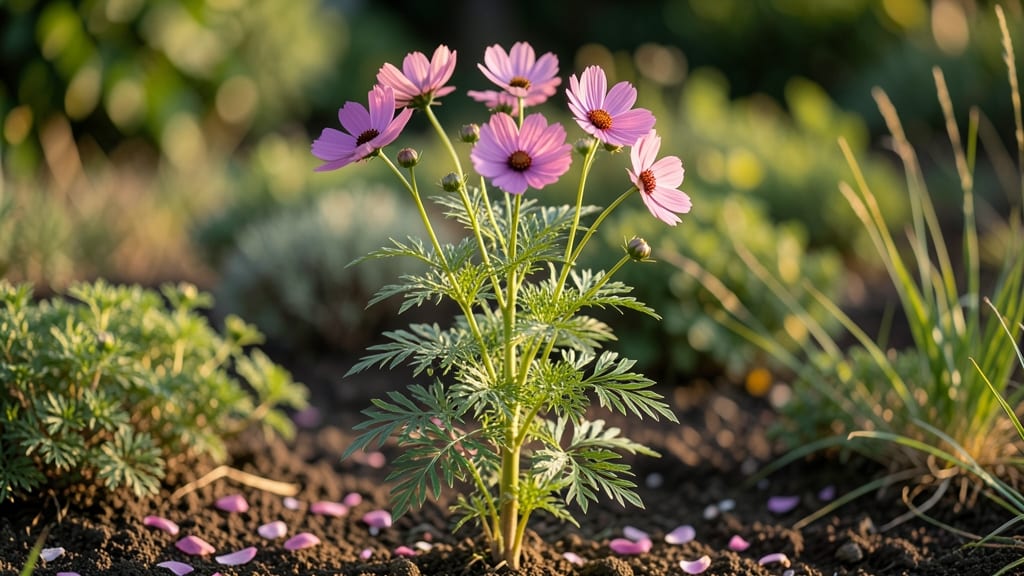
Whether cosmos are annuals or perennials depends on your climate: they die back after one season in most regions but can self-seed prolifically in frost-free zones, acting like short-lived perennials.
Cosmos plants thrive as annuals in cooler climates where frost kills them back each winter, but in warmer zones without freezing temperatures, they often self-seed aggressively. 🌱 This means they'll regrow year after year, creating a natural cycle of blooms.
The key difference lies in their frost sensitivity—once temperatures drop below 32°F, they won't survive the winter. In milder regions, however, they'll happily return without any intervention from you.
What makes this behavior unique is their ability to self-sow—when you let the seed heads dry and drop naturally, they'll sprout fresh plants next season. This natural regeneration is why many gardeners in frost-free areas treat cosmos like perennials, even though botanically they're annuals.
The trade-off? Their first-year blooms are often the most spectacular, as established plants may produce slightly fewer flowers.
💡 In This Article
- How Cosmos Flower Lifespan Varies by Climate
- Tips for Extending Cosmos Blooms Year-Round
How cosmos flower lifespan varies by climate
Cosmos plants are classified as annuals because their natural lifecycle completes in one growing season—typically 90-120 days from seed to flower. However, their behavior shifts dramatically based on frost exposure. In USDA zones 3-8, where winter temperatures drop below 32°F, the plants die back completely after flowering.
This frost sensitivity triggers their annual lifecycle, as the cold disrupts their cellular structure and halts growth permanently.
The key botanical difference lies in their dormancy mechanisms. Unlike true perennials (such as lavender or daylilies), cosmos lack specialized underground storage organs like rhizomes or bulbs. Instead, they rely on self-seeding—when mature seed pods split open and scatter seeds—allowing new plants to emerge in spring.
In frost-free zones (like coastal California or Florida), this creates a perennial-like cycle, where plants appear to regrow yearly without human intervention. The seeds remain viable in the soil for 2-3 years, ensuring continuous blooms.
What most gardeners overlook is how daylength and temperature influence this behavior. Cosmos are short-day plants, meaning they flower more prolifically when daylight shortens (fall). In cooler climates, this triggers their annual lifecycle, while in warm regions, they may produce multiple flushes of blooms across seasons.
The trade-off? First-year plants often bloom 20-30% more vigorously than self-sown successors, as they allocate more energy to flowering before setting seed.
Consider these climate-based behaviors:
- Frost-prone zones (USDA 3-7): Die back annually; require reseeding each spring
- Mild winters (USDA 8-10): Self-seed prolifically; may return yearly without intervention
- Tropical climates (USDA 11+): Can behave as short-lived perennials, blooming continuously with minimal care
The science behind this involves photoperiodism—cosmos detect changing daylight hours and adjust their growth accordingly. In frost-free areas, they may even produce two distinct flowering cycles: one in spring and another in fall. This dual-flowering habit explains why they're often mistaken for perennials in warmer climates. 🌿
For gardeners in transitional zones (like the Pacific Northwest), the solution lies in strategic deadheading—removing spent blooms to redirect energy toward root development rather than seed production. This can extend the blooming window by 4-6 weeks in marginal climates, bridging the gap between annual and perennial behavior.