
Plants
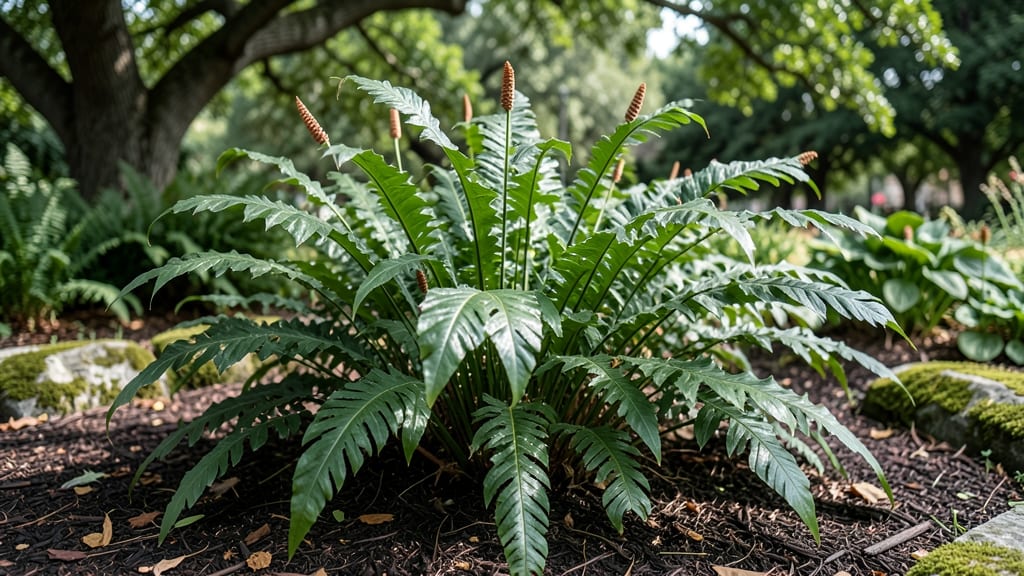
Kimberly Queen ferns are perennials that die back in winter but regrow from their rhizomes each spring, thriving in USDA zones 7-11 with proper winter mulching and shade protection.
These ferns go dormant when temperatures drop, conserving energy in their underground rhizomes—thick, horizontal stems that store nutrients. 🌱 Unlike annuals that die completely, Kimberly Queens return stronger each spring if protected from freezing soil.
In colder zones (7-9), they need 3-4 inches of mulch and shade from harsh winter sun, while zones 10-11 handle milder winters with minimal care. The key is preventing soil heaving, which can damage rhizomes.
What sets them apart is their resilience: even after full dieback, they'll burst back with new fronds once temperatures rise above 50°F. I've seen them bounce back within 4-6 weeks of spring's arrival, proving their hardiness when given the right conditions.
Their ability to regenerate makes them a favorite for gardeners who want low-maintenance, long-term greenery.
💡 In This Article
- Understanding Kimberly Queen Ferns’ Perennial Dieback Cycle
- Year-Round Care Tips for Kimberly Queen Ferns
Understanding Kimberly Queen ferns’ perennial dieback cycle
The Kimberly Queen fern's perennial nature hinges on its underground rhizome system, which acts as a biological battery. During winter dormancy, the plant's fronds yellow and wither as photosynthesis halts, but the rhizomes remain alive and store carbohydrates like starch and sugars.
These reserves fuel regrowth when temperatures rise above 50°F in spring. The rhizomes can extend 3-6 inches deep and 6-12 inches wide, creating a network that ensures survival even if some fronds freeze back.
Cold hardiness varies dramatically by USDA zone due to soil temperature thresholds. In zones 7-9, rhizomes can tolerate brief dips to 15°F if protected, but prolonged exposure below 20°F risks damage. Zones 10-11 experience milder winters where rhizomes stay active year-round, though growth slows during cooler months.
The key difference is soil insulation—frozen ground conducts cold more aggressively than air, which is why mulching becomes critical in colder climates. 🌡️
Seasonal growth follows a predictable pattern: fronds emerge in early spring from terminal buds on the rhizome, unfurling over 4-6 weeks as temperatures stabilize. Summer growth peaks when soil moisture stays consistent, with fronds reaching 2-3 feet tall under ideal conditions.
The plant's ability to photosynthesize efficiently in shade (30-50% light) allows it to thrive where many perennials would struggle, making it perfect for woodland gardens or understory plantings.
What makes this dieback cycle fascinating is the plant's energy allocation strategy. During summer, Kimberly Queens prioritize rhizome expansion and nutrient storage over frond growth, creating a self-sustaining cycle. Unlike annuals that rely on seed production, these ferns invest all their energy into underground survival structures.
This biological adaptation explains why they can survive decades in the right conditions—some established plants in gardens have lived 10+ years with minimal intervention.
The rhizome's texture is another clue to its resilience: it's firm yet flexible, with a slightly waxy coating that reduces water loss during dormancy.
When you dig up an established plant, you'll notice the rhizome segments connected by thin roots—this interconnected system allows nutrients to redistribute if one section is damaged. The plant's ability to regenerate from even small rhizome fragments (as little as 2 inches long) makes propagation effortless for gardeners. 🌱
Understanding this cycle helps explain why proper winter care isn't just about survival—it's about setting up the plant for a stronger return. When rhizomes are well-protected, they can produce 20-30% more fronds the following season compared to stressed plants.
This biological efficiency is why Kimberly Queens are often called "the fern that never quits"—their perennial nature isn't just about living through winter, but thriving through it.