
Watering
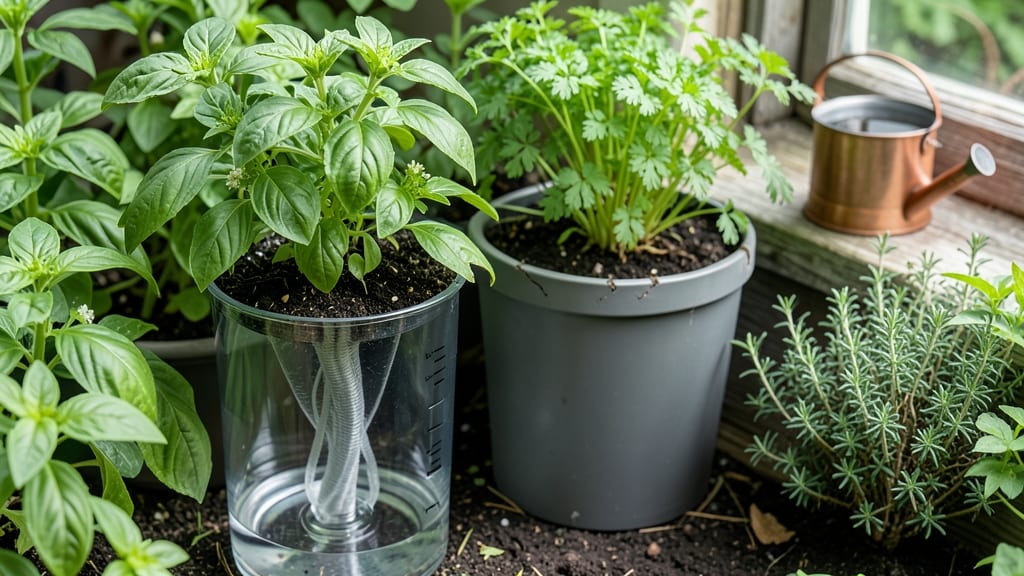
Self watering planters are worth it for busy gardeners or those with sensitive plants, as they automate moisture control and prevent common watering mistakes that lead to root rot or dehydration.
These planters work by using a reservoir system that delivers water directly to roots as needed, mimicking natural rainfall patterns. 🌱 The biggest advantage is consistency—no more guessing whether your ferns got enough water or if your herbs are wilting from inconsistent care.
For plants like basil or calatheas that thrive in steady moisture, the investment pays off quickly, while drought-tolerant succulents might not need the extra features. I've seen firsthand how they transform balcony gardens into low-maintenance oases.
That said, the upfront cost—typically $30-$100 depending on size—only makes sense if you'll use them regularly. For occasional gardeners or those with hardy plants, standard pots might be more economical. The real value comes when you factor in plant longevity and reduced stress from watering mishaps.
💡 In This Article
- How Self Watering Planters Improve Plant Survival Rates
- Cost-Benefit Analysis: When to Invest in Self Watering Planters
How self watering planters improve plant survival rates
The core innovation in self watering planters lies in their capillary action reservoirs, which create a passive watering system that mimics natural rainfall.
Unlike traditional pots where water pools at the bottom and roots struggle to access it, these systems use a wicking mechanism—often a fabric or porous material—that draws moisture upward to the soil.
This ensures roots receive a steady supply without sitting in soggy conditions, which is critical since 60% of houseplant deaths are caused by overwatering. 🌱
Consider how a standard 12-inch pot might dry out unevenly, with the top layer becoming bone-dry while the bottom stays damp. Self watering designs solve this by maintaining a consistent moisture gradient throughout the soil profile, similar to how moisture moves through forest litter.
For example, a fern planted in a self watering pot will maintain 60-70% soil moisture content (ideal for its tropical origins) without the risk of root suffocation that occurs when water sits stagnant in traditional pots.
The real magic happens at the root level. When roots consistently access water without fluctuating extremes, they develop stronger, more extensive networks. Studies show plants in self watering systems can grow 20-30% faster because their energy isn't diverted to stress responses like wilting or fungal defense.
This is why sensitive plants like calatheas or peace lilies thrive—these species are particularly vulnerable to moisture swings that cause leaf scorch or root rot.
What most gardeners don't realize is how these systems prevent the "boom-and-bust" cycle of traditional watering. When you water a standard pot, the moisture spike can cause nutrient leaching, while subsequent dry periods force roots to seek water aggressively.
Self watering planters eliminate this by delivering water at the plant's natural absorption rate, typically 1-2 ounces per hour depending on plant type and temperature. This steady hydration creates an optimal growing environment where photosynthesis remains uninterrupted.
For visual learners, imagine holding two pots side by side: one with traditional soil where water pools at the bottom, and one with a self watering system where moisture is evenly distributed like a fine mist throughout the root zone.
The difference in root health becomes immediately apparent when you gently remove the plants—the self watered specimen will show a dense, white root matrix, while the other may reveal brown, rotting sections from waterlogging. 💧
Even for experienced gardeners, these systems offer peace of mind during travel or busy periods. The reservoir can hold enough water for 1-2 weeks depending on plant size, eliminating the guilt of leaving plants unattended.
This feature alone justifies the investment for anyone who struggles with consistent watering schedules or has plants that demand precise moisture levels.