
Flowers
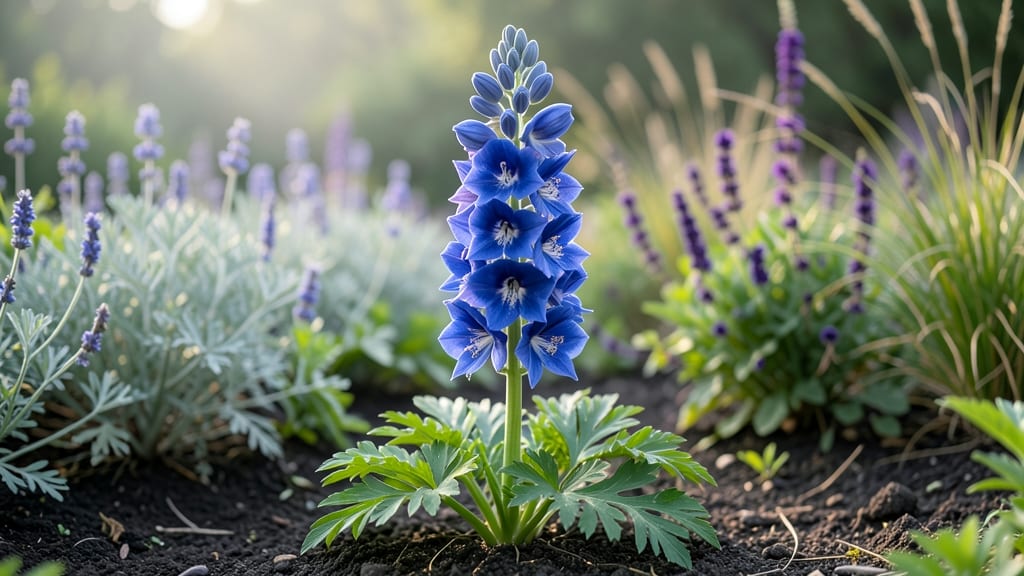
Blue colored perennial flowers bring that rare, cool-toned magic to gardens where most blooms fade to pink or purple. 🌿 I’ve designed borders with these drought-tolerant stars—delphiniums that tower like sky-blue sentinels, salvias with velvety spikes, and agapanthus that hum with summer’s ocean breeze—and they never fail to turn heads. The secret lies in their resilience: most thrive with 6+ hours of sun and need watering only when the soil dries completely. Pair them with lavender for texture or orange marigolds for contrast, and you’ve got a low-maintenance showstopper that blooms from spring through fall. Even in dry spells, these plants keep their cool. Imagine a front yard where every walk reveals new shades of blue—from delphinium’s dramatic spikes to catmint’s airy clusters. The fragrance? A bonus: salvia’s honeyed scent and agapanthus’s subtle sweetness make strolling past your garden feel like a stroll through a meadow. Works in borders, containers, or as a cottage-garden centerpiece. Here’s how to make them the star of your space without the fuss.
📚 In This Guide
- What you need
- Instructions
- Tips and common mistakes
- Wrapping up and next steps
What you need
- ● Blue perennial flower seeds or plants: Choose from drought-resistant varieties like Salvia nemorosa, Delphinium, Agapanthus, or Lavender. Buy 5–10 plants or enough seeds for your desired coverage (follow package instructions).
- ● Well-draining soil: 1–2 cubic yards of garden soil mixed with compost (ratio: 70% soil, 30% compost) to improve moisture retention without suffocating roots.
- ● Organic mulch: 2–3 bags of wood chips or straw (1–2 inches thick) to retain soil moisture and suppress weeds.
- ○ Drip irrigation system or soaker hoses: Optional but highly recommended for drought-proofing. A basic kit (e.g., 50–100 ft. tubing + emitters) covers small to medium gardens.
- ● Garden trowel or hand shovel: For planting and soil prep (1–2 units).
- ● Garden fork: 1 unit to loosen compacted soil before planting.
- ● Pruning shears: Sharp, bypass-style shears (1 pair) for trimming dead blooms.
- ● Gloves & knee pads: Protect your hands and joints—opt for breathable fabric gloves.
- ● Watering can or hose: A 1–2 gallon can for seedlings or a hose with adjustable nozzle for larger areas.
- ● Sunlight assessment: Identify full sun (6+ hours/day) or partial shade (3–6 hours) spots in your yard—most blue perennials thrive in sun!
- ● Water source nearby: Ensure easy access to water for the first 2–3 weeks post-planting.
- ● Patience: Perennials take 1–2 years to reach full bloom—plan accordingly!
- ● Slow-release fertilizer: 1–2 bags of balanced 10-10-10 or fish emulsion for a nutrient boost.
- ● Blue-themed garden decor: Pots, stakes, or wind chimes to tie your color scheme together.
- ● Companion plants: Pair with silver foliage (e.g., Artemisia) to enhance drought resistance and contrast.
- ● Garden journal: Track planting dates, watering schedules, and blooming cycles for future reference.
Step-by-step guide to planting and maintaining drought-tolerant blue perennials
Here's how I transform any garden into a vibrant blue oasis that thrives with minimal fuss.
🌱 Step 1: Select and Prepare Your Blue Perennial Varieties
Start with four drought-resistant blue perennials like catmint (Nepeta), Russian sage (Perovskia), salvia (Salvia nemorosa), or blue fescue grass (Festuca glauca). These varieties not only deliver stunning blue hues but also handle dry spells like champions. I always check the mature plant size to ensure proper spacing—nothing worse than overcrowded blue blooms fighting for resources.
Dig holes twice as wide as the root ball but only as deep. This prevents settling issues later. Amend the native soil with 2-3 inches of compost mixed into the bottom of each hole. This boosts moisture retention without creating soggy conditions, which blue perennials despise. Water the hole thoroughly before planting to help roots establish contact with the soil immediately.
🪴 Step 2: Plant with Proper Spacing and Mulch
Place each plant so the top of the root ball sits ½ inch below soil level. For catmint and Russian sage, space plants 2-3 feet apart—they'll spread beautifully over time. Salvia varieties need 18-24 inches of clearance to prevent overcrowding. Fill the hole with soil, pressing gently to eliminate air pockets while keeping the root ball stable.
Apply 2-3 inches of mulch around each plant, leaving a 2-inch gap around the stem. I use shredded bark or gravel—both retain moisture while allowing excess water to drain. This mulch layer is your secret weapon against drought, keeping roots cool and soil from drying out between waterings. Water deeply after planting to settle the soil and encourage root expansion.
☀️ Step 3: Position for Optimal Sun and Water Efficiently
Most blue perennials crave full sun (6-8 hours daily), though catmint tolerates partial shade. Russian sage and salvia will actually reward you with deeper blue hues when baked by the sun. If your garden has afternoon shade, opt for blue fescue—it thrives in cooler conditions while still delivering that signature blue color.
Water deeply once a week during the first growing season, aiming for 1 inch of water per week. You'll know you've watered enough when the soil 6 inches down feels moist but not soggy. After the first year, these perennials will establish deep root systems and need watering only during prolonged dry spells. Overwatering is the biggest mistake—it leads to root rot and weak stems that flop under their own weight.
✂️ Step 4: Prune and Maintain for Long-Term Blue Beauty
Cut back spent blooms by ⅓ of the stem length in early spring to encourage fresh growth. For Russian sage, I wait until late winter to prune—its woody stems need time to harden before the growing season. Salvia benefits from a light shearing after flowering to maintain its compact shape. Never prune blue fescue—its ornamental foliage is the star of the show.
Fertilize lightly in early spring with a balanced 10-10-10 formula applied at half strength. Too much nitrogen leads to lush foliage but fewer blue blooms. I avoid fertilizing in the heat of summer—it stresses plants and attracts pests. Watch for powdery mildew on catmint; a simple spray of neem oil prevents it before it takes hold.
🌿 Step 5: Divide and Refresh Every 3-4 Years
When your blue perennials start looking crowded or flowering less vigorously, it's time to divide. Dig up clumps in early spring or fall, separate into smaller sections with 3-5 stems each, and replant immediately. This rejuvenates the plants and gives you free blue blooms for other areas of your garden.
I always test the soil pH before dividing—blue perennials prefer slightly alkaline conditions (pH 6.5-7.5). If your soil is too acidic, mix in dolomitic lime according to package instructions. After dividing, water deeply and mulch again to protect the fresh roots as they establish. Your garden will reward you with even more vibrant blue returns next season.
Tips & tricks for perfect blue perennial gardens
Transforming your garden into a blue paradise takes more than just planting—here's how to ensure your drought-resistant beauties thrive year after year.
Soil Preparation Secret: The 2-3 inches of compost you mix into each planting hole isn't just about moisture—it's about creating the perfect balance. Blue perennials like catmint and Russian sage thrive in well-draining soil that still holds enough moisture to prevent wilting. I always test the soil's texture before planting: it should crumble easily between your fingers when damp, not stick together like clay. For heavier soils, add extra perlite or coarse sand to improve drainage while maintaining that moisture retention.
Sunlight Strategy: Those 6-8 hours of full sun are non-negotiable for maximum blue intensity, but here's the trick: position Russian sage and salvia where they'll get the hottest afternoon sun (3-5 PM). This is when their blue pigments develop their deepest hues. For catmint, which tolerates partial shade, plant it where it gets morning sun and afternoon dappled light—this prevents the foliage from scorching while still encouraging blooms. I've found that even a 1-foot difference in planting location can make a noticeable difference in color vibrancy.
Mulching Mastery: The 2-3 inches of mulch around your plants isn't just decorative—it's your drought insurance. I've learned the hard way that mulch needs to be replenished annually, especially in windy areas where it gets blown away. For maximum effectiveness, use a combination of shredded bark (which breaks down slowly) and small gravel (which reflects sunlight away from roots). This combo keeps roots cool in summer while preventing soil compaction that can suffocate roots. Always maintain that 2-inch gap around the stem to prevent rot.
Pruning Precision: When you cut back spent blooms by ⅓ of the stem length in early spring, you're not just tidying up—you're encouraging stronger growth. For Russian sage, I wait until late winter when new growth just starts to appear. The key is to make clean cuts just above a set of healthy leaves or buds. This technique prevents woody stems from becoming too dominant, which can reduce flowering. For salvia, I use sharp pruners to make angled cuts—this helps water run off the leaves and prevents fungal issues.
Pro Tips for Blue Colored Perennial Flowers
- Transforming your garden into a blue paradise takes more than just planting—here's how to ensure your drought-resistant beauties thrive year after year.
- Soil Preparation Secret: The 2-3 inches of compost you mix into each planting hole isn't just about moisture—it's about creating the perfect balance.
- Sunlight Strategy: Those 6-8 hours of full sun are non-negotiable for maximum blue intensity, but here's the trick: position Russian sage and salvia where they'll get the hottest afternoon sun (3-5 PM).
Frequently asked questions
about blue-colored perennial flowers—because every gardener deserves a little clarity! Here are answers to the most common questions to help you grow with confidence.What are the easiest blue perennials for beginners?
Start with delphiniums (tall and dramatic), salvia (drought-tolerant), or lobelia (great for borders). These thrive with minimal fuss and reward you with vibrant blue blooms year after year. Pro tip: Plant in well-draining soil and full sun for best results!
How do I keep blue perennials blooming all season?
Deadhead spent blooms regularly to encourage new growth. Delphiniums and agastache benefit from light pruning after the first flush of flowers. Water deeply but infrequently—most blue perennials hate soggy roots. Bonus: Fertilize lightly in spring with a balanced formula.
Can I grow blue perennials in containers or small gardens?
Opt for compact varieties like dwarf delphiniums or blue fescue grass. Use lightweight potting mix and ensure containers have drainage holes. Lobelia and myosotis are also perfect for hanging baskets. Space tip: Pair with silver foliage plants to make blue hues pop!
Why are my blue perennials not blooming this year?
Common culprits include over-fertilizing (too much nitrogen = leafy growth, no flowers), poor sunlight, or overcrowding. Check your plant’s needs—some, like salvia, thrive in dry conditions, while balloon flower prefers consistent moisture. Fix it: Prune back leggy stems and adjust care.
What’s a great blue perennial alternative if I want low-maintenance?
Try catmint (Nepeta)—it’s drought-resistant, deer-resistant, and blooms from spring to fall! Russian sage is another winner, offering silvery foliage and lavender-blue spikes with almost no upkeep. Perfect for: Xeriscaping or pollinator gardens.
Wrapping up and next steps
Blue-colored perennial flowers bring timeless beauty and resilience to any garden, thriving with minimal care while offering year-after-year color. Whether you’re a seasoned gardener or just starting, these drought-tolerant stars prove that stunning blooms don’t require constant effort—just a little love and the right conditions. 🌸
Ready to transform your outdoor space? Start small—pick one or two perennials from our list, plant them in well-draining soil, and watch your garden flourish with effortless elegance. Happy gardening!