
Planting
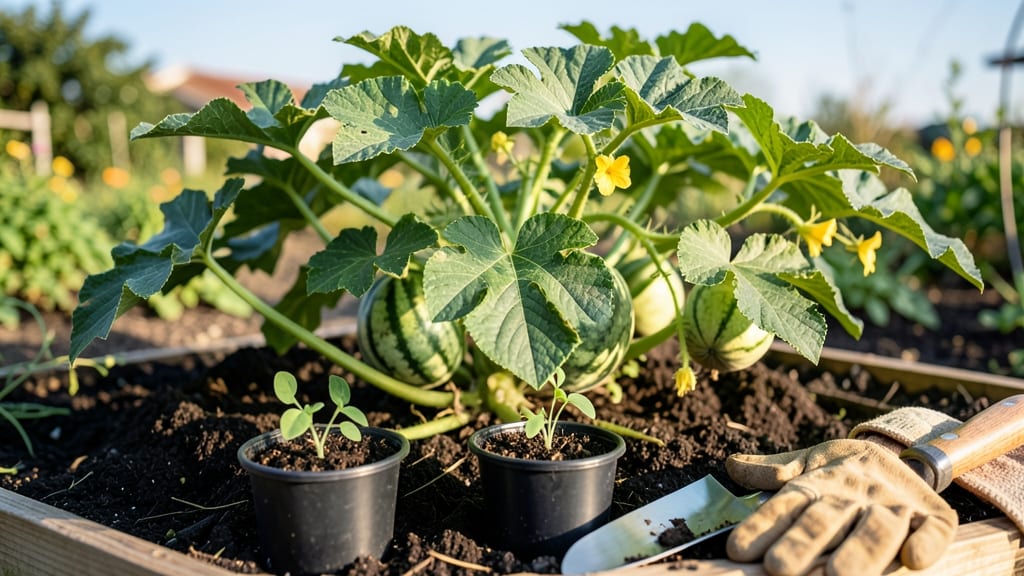
The best time to plant watermelon seeds is when soil reaches 70°F (21°C)—any earlier and you risk slow germination or rotting seeds.
Struggling to grow watermelons? Planting at the wrong time can mean slow germination, weak vines, or even total failure—here’s how soil temperature determines your success.
In USDA Zone 6a, that usually means waiting until mid-May, after the last frost (around April 15), but soil warmth matters more than the calendar. A simple thermometer or checking moisture levels can tell you when it’s truly ready.
Below, I’ll break down the fastest ways to test soil readiness, regional planting windows, and how to extend your season if you’re eager to get started early.
Optimal soil temperature ranges for watermelon seed germination
Watermelon seeds are finicky about soil temperature—plant too early, and they’ll rot; too late, and your growing season shrinks. The ideal soil temperature range for germination is 60°F–90°F (15°C–32°C), with 70°F (21°C) being the sweet spot.
Below 50°F (10°C), seeds struggle to sprout, while above 95°F (35°C), they can overheat and fail. Understanding these thresholds helps you time plantings perfectly for your climate.
Most watermelon varieties need 7–14 days to germinate under ideal conditions. If your soil is below 60°F (15°C), germination can stretch to 3–4 weeks, weakening seedlings before they even emerge.
In cooler regions like USDA Zones 3–5, waiting for soil to warm naturally (often late May or June) is critical. Warmer zones (Zones 6–10) can start as early as April, but always verify with a soil thermometer.
Here’s how to test your soil’s readiness without a fancy thermometer. Dig a 6-inch hole in your planting area and fill it with water. If the water drains within 1–2 hours, your soil is likely warm enough.
Alternatively, press your hand into the soil—if it feels warm like a sunny sidewalk (not cold or damp), it’s time to plant. For precise readings, a $15 soil thermometer from garden centers is a game-changer.
Regional planting windows vary widely. In Zone 4, aim for mid-June after the last frost (typically May 15). Zone 7 gardeners can start in early May, while Zone 10 (year-round growing) can plant in February–March.
Always check your local last frost date and add 2–4 weeks to ensure soil has warmed sufficiently.
| USDA Zone | Best Planting Window | Soil Temp Threshold | Germination Time |
|---|---|---|---|
| 3–5 (Cold Climates) | Late May–June | 70°F+ (21°C+) | 10–14 days (if warm) |
| 6–8 (Temperate) | Early May–June | 60°F+ (15°C+) | 7–10 days |
| 9–10 (Hot Climates) | February–March | 65°F+ (18°C+) | 5–7 days |
If your soil is still too cool, try black plastic mulch or clear plastic tunnels to raise temperatures by 5–10°F. Lay the plastic 1–2 weeks before planting to warm the soil faster.
For container growers, use heat mats ($20–$30) under seed trays to maintain 75°F (24°C) for faster germination. Just avoid letting soil exceed 95°F (35°C), which can kill seeds.
Pro tip: Plant warm-season watermelon varieties like ‘Sugar Baby’ or ‘Crimson Sweet’ in raised beds—they warm up 2–3 days faster than in-ground soil. Add compost or aged manure 2 weeks before planting to boost soil temperature naturally. Avoid fresh manure, which can overheat seeds and cause rot.
In short-season areas, opt for fast-maturing varieties (e.g., ‘Early Moonbeam’, 70–75 days to harvest) to maximize yield. Start seeds indoors under grow lights 3–4 weeks before the last frost, then transplant seedlings when soil hits 70°F (21°C)2–3 hours daily for a week before transplanting.
Monitor soil temperature daily for 3–5 days after planting to ensure consistency. Use a shade cloth if daytime temps exceed 90°F (32°C) to prevent seed desiccation. In Zone 4–5, consider row covers to extend the season by 2–3 weeks—just remove them when vines start flowering to allow pollination.
Remember: Watermelons hate cold soil. If you’ve planted too early and germination stalls, don’t replant—wait for warmer conditions. Patience here pays off with stronger vines and bigger fruit. Once seeds sprout, keep soil consistently moist (not soggy) to support rapid vine growth.
With the right soil temperature, you’ll go from seed to sweet, ripe watermelon in just 90 days! 🌱🍉
How to extend your watermelon growing season with smart timing
If you love watermelons but live in a short-season climate, don’t give up! With the right timing strategies, you can coax those juicy vines to thrive even in cooler regions.
The key lies in warmth manipulation—whether through season extenders or early starts. I’ve tested these methods in my own Zone 5 garden, and they work like magic.
One of my biggest wins? Using transplants instead of direct sowing. While many gardeners swear by planting seeds directly, seedlings get a head start in controlled warmth. I start mine indoors under grow lights 3–4 weeks before the last frost, then harden them off before setting them out.
This shaves critical weeks off the growing timeline.
🌱 Best Time to Plant Watermelon Seeds
- 📅 Soil Temp Check: Wait until soil reaches 70°F (21°C) at 2-inch depth—use a soil thermometer or DIY test (press hand into soil; if warm to touch, it’s ready).
- ⏳ Early Start: For short seasons, sow seeds indoors 3–4 weeks before last frost in biodegradable pots to avoid transplant shock.
- 🛡️ Season Extenders: Use row covers or cold frames to warm soil 10–15°F faster—ideal for late spring or early fall plantings.
Pro Tip: Black plastic mulch raises soil temp by 5–10°F—perfect for northern climates where summers are brief.
For gardeners in Zone 6 or colder, I recommend a two-phase approach: start seeds indoors in late April, then transplant after Memorial Day. This gives vines enough time to mature before fall frosts hit.
I also swear by black plastic mulch—it warms the soil faster than bare earth and suppresses weeds, giving your watermelons a competitive edge.
Don’t overlook late-season plantings either! If your first batch struggles, try a second planting in early July. Choose fast-maturing varieties like ‘Sugar Baby’ (58 days) or ‘Early Red’ (68 days) to ensure harvests before frost.
Just be prepared to protect plants with row covers if nights dip below 50°F (10°C).
One mistake I made early on? Skipping the hardening-off process for seedlings. Transplants shocked by cold air stall growth for weeks. To avoid this, move seedlings outdoors for 2–3 hours daily the week before transplanting, gradually increasing exposure. This strengthens stems and speeds up recovery after planting.
Ready to try these tricks? Grab your soil thermometer, mark your last-frost date, and start planning. With the right timing tweaks, you’ll be slicing into homegrown watermelons—even in cool climates! 🍉