
Watering
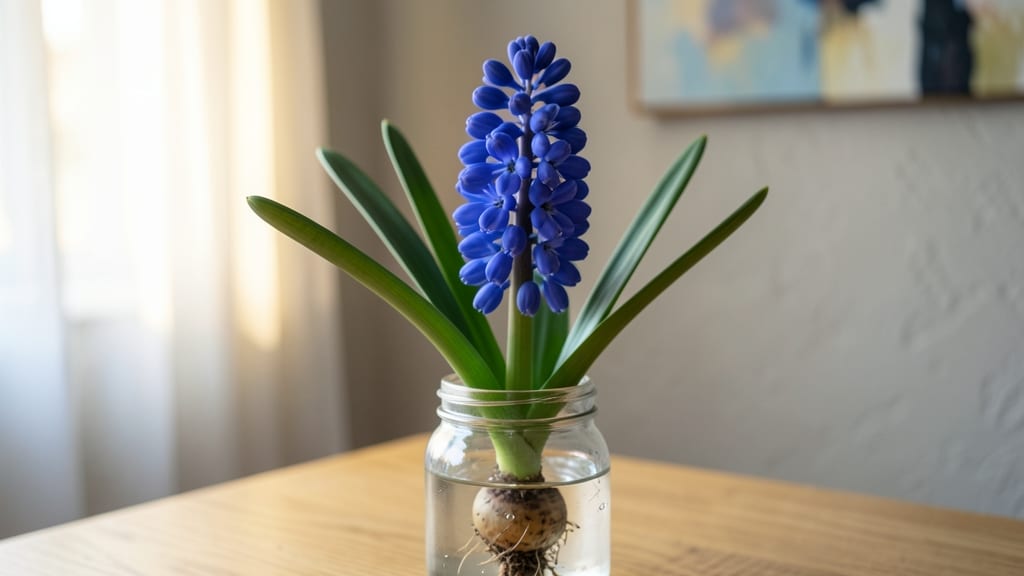
Blue hyacinths in water last 4 to 6 weeks when you maintain clean, room-temperature water and indirect light exposure. Refresh the water every 2–3 days to stop bacteria buildup, trim stems at an angle to maximize water absorption, and keep them away from direct sunlight or drafts.
These stunning blooms thrive in water because their stems absorb hydration like straws, but their lifespan depends entirely on how well you mimic their natural environment. 🌸 Unlike soil-grown hyacinths, water-cut versions lack access to nutrients, so adding a pinch of sugar or floral preservative to the vase can work wonders for longevity.
I’ve found that placing them near an east-facing window—where they get morning light but avoid harsh afternoon sun—keeps their petals vibrant for weeks longer than a south-facing spot would.
One common mistake is overcrowding the vase—too many stems compete for water, causing some to wilt prematurely. Trim stems to about 3–4 inches and recut them every few days to keep the water pathways open.
Watch for yellowing leaves or drooping blooms, which signal it’s time for a fresh water change or adjustment in placement.
💡 In This Article
- Why Blue Hyacinths Wilt Faster in Water Than Soil
- Step-by-Step Guide to Extending Blue Hyacinth Vase Life
Why blue hyacinths wilt faster in water than soil
Blue hyacinths thrive in soil because their bulbous roots store nutrients and moisture, but when cut for water arrangements, they rely entirely on stem absorption. The stems act like straws, drawing water upward through specialized vascular tissues called xylem.
However, these tissues can become clogged with bacteria or air bubbles within 24–48 hours if the water isn’t fresh, drastically reducing hydration efficiency. In soil, roots continuously access fresh moisture and nutrients, while water-cut stems face rapid nutrient depletion, causing wilting within 1–2 weeks without proper care.
The real villain here is ethylene gas—a natural byproduct of decaying plant matter and bacterial growth in stagnant water.
Ethylene accelerates aging by triggering cellular breakdown in petals, making them droop or darken at the edges. 🌸 Unlike soil-grown hyacinths, water-cut versions can’t escape this gas buildup, which is why changing water every 2–3 days is critical.
Even a 1-inch angle cut on stems improves water uptake by exposing more surface area to hydration, but it doesn’t compensate for ethylene’s damaging effects over time.
Temperature also plays a hidden role. Blue hyacinths prefer 60–70°F water—too hot or cold slows absorption. Cold water can even cause stem constriction, while warm water (above 75°F) promotes bacterial growth.
This is why room-temperature tap water works best, but rainwater (if free of contaminants) can extend vase life by 5–7 days due to its lower mineral content, which reduces clogging in stem tissues.
Light exposure further complicates things. Direct sunlight causes petals to overheat and lose moisture faster, while low light slows metabolic processes, leading to limp stems. The ideal spot is 3–5 feet from a window with indirect morning light—think east-facing shelves or north windows.
This balance keeps petals vibrant while maintaining stem hydration without stress.
One surprising factor is the vase material.
Glass or ceramic vases allow you to monitor water levels and cleanliness, but plastic vases can trap heat, accelerating bacterial growth. 💫 Even the vase’s diameter matters: stems in a 4–6 inch diameter vase last longer than those crammed into narrow vases, where competition for water weakens individual stems.
The key is mimicking the hyacinth’s natural environment as closely as possible—hydration, temperature, and light all work together to determine how long those striking blue blooms stay fresh.
Finally, consider the blooms’ natural lifecycle. Blue hyacinths in soil bloom for 2–3 weeks before fading, but water-cut versions can last 4–6 weeks with perfect care. The difference? Soil provides continuous nutrients, while water-cut stems rely on what you add—like a pinch of sugar or floral preservative—to compensate.
Without these, the flowers exhaust their stored energy faster, leading to premature wilting.