
How To
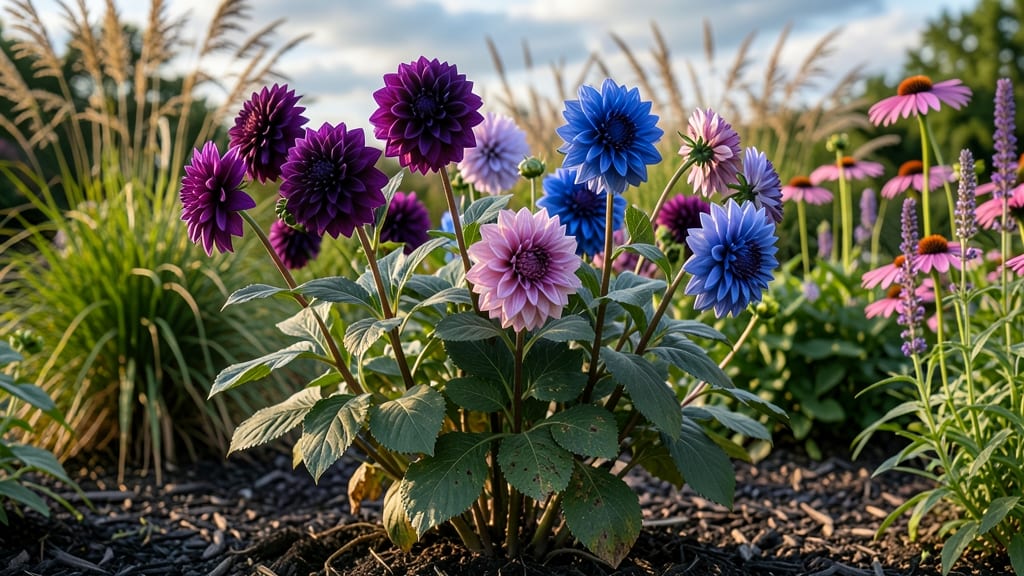
Bluestone Perennials dahlias require well-draining soil, full sun exposure, and consistent moisture for optimal growth. Plant tubers 4-6 inches deep in spring after frost, fertilize monthly with balanced plant food, and cut back foliage in late fall to protect tubers. To revive after dieback, divide clumps every 3-4 years and apply mulch to insulate roots over winter.
Bluestone Perennials dahlias are prized for their dramatic blooms and hardy nature, but they demand specific care to thrive. 🌸 The key to their success lies in replicating their natural Mediterranean climate—think bright sunlight, loose soil, and steady watering without soggy roots.
I’ve found that even a slight variation in soil pH or moisture can stress these plants, so testing your soil and amending it with compost or sand is worth the effort.
Their deep roots also make them drought-tolerant once established, but they reward consistent attention with lush, vibrant blooms all season.
What sets Bluestone dahlias apart is their ability to bounce back after winter dormancy. When you notice foliage dying back in late fall, resist the urge to cut stems too early—this protects the tubers beneath.
After dividing clumps in spring, I always soak the tubers in a fungicide solution for 10 minutes to prevent rot, a trick that’s saved my plants from multiple fungal issues over the years.
The mulch layer you add isn’t just for insulation; it also helps regulate soil temperature and keeps moisture levels stable during those critical early spring months.
💡 In This Article
- Optimal Growing Conditions for Bluestone Dahlias
- Step-by-Step Guide to Reviving Dahlias After Dieback
Optimal growing conditions for Bluestone dahlias
Bluestone dahlias thrive because their care mimics their native Mediterranean environment, where they experience hot, dry summers and mild winters. The 6.0-7.0 pH range in your soil isn't just a recommendation—it's critical for nutrient uptake.
At this pH, essential minerals like phosphorus and potassium become more available, which dahlias need for their energy-intensive blooming process.
Think of it like a pH balance for your plant's "digestive system"—too acidic or alkaline, and the tubers struggle to absorb what they need, leading to stunted growth or weak stems.
Sunlight is non-negotiable for these plants. Dahlias need 6+ hours of direct sunlight daily to trigger photosynthesis at peak efficiency. In my garden, I've noticed that when dahlias get less than this, their blooms become smaller and less vibrant, almost like they're conserving energy.
The leaves also develop a pale, almost washed-out look. What's fascinating is how the plant's stem structure adapts—thicker stems develop in full sun to support those heavy blooms, while shaded plants produce thinner, more fragile stems that snap easily in wind or rain.
Moisture balance is where many gardeners trip up. Dahlias hate soggy roots but need consistent watering—about 1-1.5 inches per week during active growth. The key is watering deeply but infrequently, encouraging roots to grow deeper in search of moisture.
I use a moisture meter to check soil levels, aiming for the top 2-3 inches to dry slightly between waterings. This prevents the fungal diseases that thrive in perpetually wet conditions, like powdery mildew, which can defoliate plants within weeks if left unchecked.
Climate zones play a huge role in timing. In zones 3-5, plant tubers after the last frost when soil reaches 60°F, typically mid-May. Warmer zones (6-10) can plant as early as March, but protect young shoots from late frosts with row covers.
Winter protection varies too—zones 3-5 need 4-6 inches of mulch plus bubble wrap around tubers, while zones 7-10 might only need a thick mulch layer. The science here is about insulating roots from temperature swings that trigger premature dormancy or freeze damage.
One detail that surprises many growers is how tuber dormancy affects care. When dahlias go dormant in fall, their tubers enter a resting phase where they're vulnerable to rot if kept too moist.
This is why I always wait until foliage has completely browned before cutting back stems—it ensures the tubers have fully retreated underground. During dormancy, I store them in a cool (40-50°F), dark place with 50-60% humidity, mimicking their natural winter conditions in the wild.
Consider these key factors when preparing your planting site:
- Soil texture: Amend heavy clay with 20-30% sand or perlite to improve drainage
- Fertilizer ratio: Use a 10-10-10 balanced formula monthly, but reduce nitrogen after blooming begins
- Mulch depth: 3-4 inches of straw or shredded leaves preserves moisture while preventing soil compaction
The payoff for getting these conditions right? Dahlias that reward you with blooms from early summer through frost—sometimes even into winter in mild climates. That's the magic of matching their care to their natural growing patterns. 🌿