
Advice
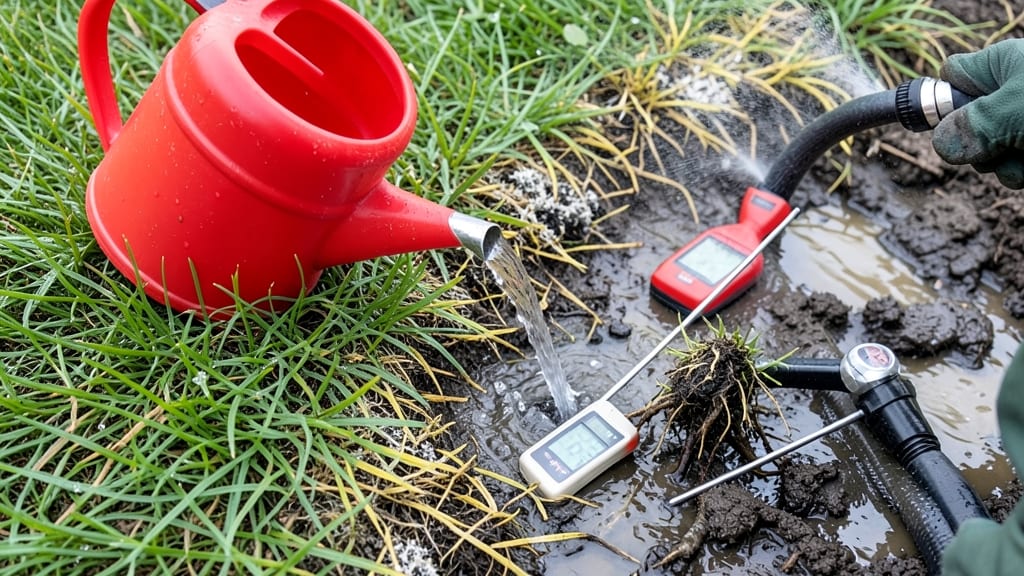
Yes, can grass be overwatered—and it’s far more common than people realize. Overwatering leads to weakened roots, fungal infections like brown patch disease, and yellowing blades from oxygen deprivation. It also creates ideal conditions for pests while wasting water and nutrients. The fix? Water only when 1-1.5 inches per week, accounting for rainfall, and let the top inch of soil dry between waterings.
Can grass be overwatered? Absolutely—it creates a double-edged sword for your lawn: too much moisture suffocates roots by displacing oxygen, while the damp conditions become a breeding ground for soil-borne pathogens. 🌱 I've seen firsthand how this cycle starts—within days of overwatering, grass blades turn yellow, then brown, and the once-vibrant green turns patchy. The real kicker? Your sprinkler system might be running twice as long as needed, draining your water bill while doing more harm than good. The key is checking soil moisture before watering; if the top inch feels damp, hold off.
What's often overlooked is how overwatering disrupts the rhizosphere—the zone around roots where beneficial microbes live. When soil stays soggy, these microbes suffocate, and harmful fungi take over. I recommend aerating compacted soil in fall to improve drainage, and always water early morning so foliage dries quickly.
For severely damaged lawns, overseeding with drought-resistant varieties can help rebuild health.
💡 In This Article
- How Overwatering Damages Grass Roots and Soil
- Corrective Steps for Overwatered Grass Recovery
How overwatering damages grass roots and soil
When grass receives more water than it needs, the soil transforms into a suffocating environment for roots. Oxygen levels plummet as water fills the tiny air pockets between soil particles, creating what scientists call anaerobic conditions.
Roots need oxygen to respire and absorb nutrients—without it, they weaken and turn brown at the tips, a classic sign of overwatering. 🌱 This process happens within 24-48 hours of excessive moisture, especially in clay-heavy soils that drain poorly.
The damage doesn't stop at the roots. Excess water dissolves and washes away essential nutrients like nitrogen and potassium through a process called leaching.
In my own backyard, I've noticed that overwatered lawns develop a yellowish tint because these nutrients—critical for chlorophyll production—get flushed away faster than grass can replenish them.
Meanwhile, the soggy conditions create the perfect breeding ground for fungal pathogens like brown patch disease, which thrives in temperatures between 75-90°F and high humidity.
What's often invisible is how overwatering disrupts the rhizosphere, the soil zone teeming with beneficial microbes that help roots absorb water and nutrients. These microbes need oxygen too—they suffocate when soil stays waterlogged, allowing harmful bacteria and fungi to dominate. 💫 The result?
A vicious cycle where weakened grass becomes more susceptible to pests like grubs and chinch bugs, which are drawn to the damp, decaying organic matter. This microbial imbalance can persist even after you stop overwatering, making recovery slower than expected.
Consider this: a healthy lawn's soil should feel like a damp sponge—moist but not soggy. When I press my finger into the soil 1-2 inches deep, it should resist slightly but leave a slight indentation.
If it feels mushy or water pools on the surface, that's your signal to cut back. The worst offenders are automatic sprinkler systems running on timers without accounting for rainfall, which can deliver double the needed water in just a few hours.
Even well-drained sandy soils aren't immune—excessive water can still cause nutrient runoff, polluting groundwater while depriving your lawn of the building blocks it needs. The visual clues are unmistakable: grass blades that feel limp and roll between your fingers, or that mushroom-like growth popping up where fungi are thriving.
These signs aren't just cosmetic; they're symptoms of a lawn struggling to survive in its own overwatered environment.
What most people don't realize is how quickly this damage compounds. A single heavy watering can take 3-5 days for the soil to recover, but repeated overwatering keeps the cycle going.
The roots that should be reaching deep for stability become shallow and brittle, making the lawn more vulnerable to drought and disease. 💦 This is why I always recommend checking soil moisture before watering—if the top inch is already damp, your lawn doesn't need more.