
Watering
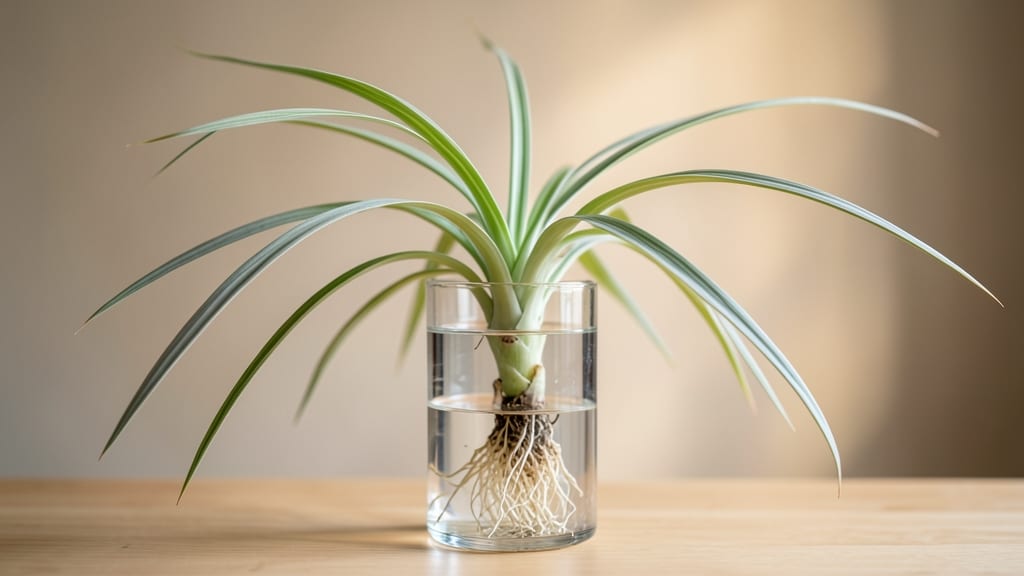
Lemon grass can grow in water through hydroponics, thriving in shallow containers with fresh, room-temperature water changed every 2–3 days. Ensure bright indirect light and trim roots every 4–6 weeks for healthy growth and aromatic leaves.
Growing lemon grass in water isn't just possible—it's a game-changer for small spaces and busy gardeners. 🌱 The key lies in hydroponics, where roots absorb nutrients directly from water instead of soil. I've found that maintaining room-temperature water (around 65–75°F) prevents bacterial growth while keeping the plant happy.
Plus, the lack of soil means no weeds or pests to worry about, making maintenance a breeze.
For best results, use a container with drainage holes to prevent root rot, and add a splash of liquid fertilizer every few weeks to compensate for missing soil nutrients. The bright indirect light requirement is non-negotiable—direct sun can scorch the leaves, while too little light leads to weak, pale growth.
This method works especially well if you're growing lemon grass indoors near a sunny window.
💡 In This Article
- How Hydroponic Water Cultivation Works for Lemon Grass
- Step-by-Step Guide to Growing Lemon Grass in Water
How hydroponic water cultivation works for lemon grass
Lemon grass thrives in water because its fibrous root system naturally absorbs nutrients through osmosis, much like aquatic plants. Unlike soil-bound plants that rely on microbial activity in the rhizosphere, hydroponic lemon grass gets its minerals directly from dissolved nutrients in water.
The roots develop aerenchyma—air channels—that improve oxygen circulation, preventing suffocation even when submerged. This adaptation explains why lemon grass rarely suffers from root rot in water, unlike many other herbaceous plants.
The ideal water temperature for hydroponic lemon grass is 65–75°F, mimicking tropical conditions where it originates. Cooler water (55°F) slows nutrient uptake and growth, while warmer water (> 80°F) accelerates bacterial growth, risking foul odors and root decay.
The plant's natural resistance to waterlogging makes it perfect for hydroponics, but stagnant water must be changed every 2–3 days to prevent nutrient depletion and microbial buildup. 💧
Light plays a critical role in preventing rot while maximizing photosynthesis. Lemon grass needs bright indirect light (6–8 hours daily) to produce chlorophyll efficiently. Too little light causes weak stems and pale leaves, while direct sun can scorch the delicate foliage.
The humidity levels should stay moderate (40–60%)—too much moisture encourages fungal growth, while dry air can stress the plant. This balance is why indoor growers often place their water-grown lemon grass near east- or west-facing windows.
Compared to soil cultivation, hydroponics eliminates many risks. Soil-borne pathogens and pests become irrelevant, and the plant's growth rate actually increases because roots aren't competing with soil microbes for nutrients. The trade-off? You must monitor water quality closely—chlorine, heavy metals, or hard water minerals can accumulate and harm the plant.
Using filtered or distilled water solves this issue entirely. The plant's natural ability to filter small particles through its roots also means you don't need complex filtration systems.
What most people don't realize is how the plant's aroma intensifies in water cultivation. The essential oils (citral and geraniol) that give lemon grass its signature citrusy scent develop more robustly when the plant isn't competing with soil microorganisms for resources.
This makes hydroponic-grown lemon grass particularly potent for culinary and medicinal uses. The leaves also tend to be straighter and more uniform in water, making them visually appealing in kitchen gardens. 🌿