
Watering
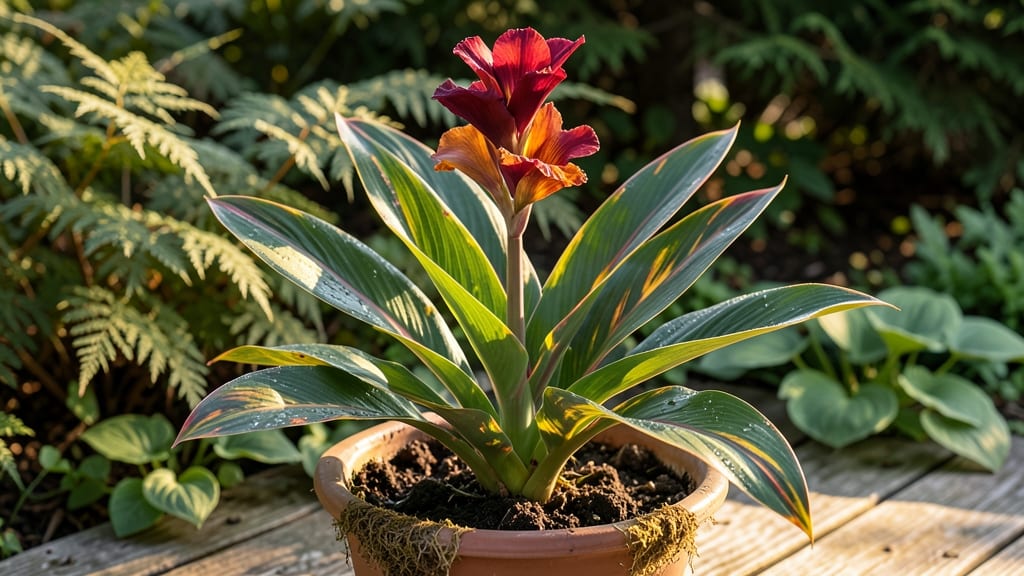
Growing cannas in water lets you cultivate these tropical beauties without soil by soaking their rhizomes in shallow, filtered water. Let roots establish before transplanting, and maintain clean, non-chlorinated water with bright, indirect light while refreshing it weekly.
Canna rhizomes naturally store nutrients, making them surprisingly adaptable to water-based growth. 🌿 The key is replicating their native swampy conditions—shallow water allows roots to access oxygen while absorbing dissolved nutrients. Unlike soil, water requires precise maintenance: stagnant water breeds bacteria, while chlorinated tap water can damage delicate roots.
I’ve found that adding a small amount of liquid fertilizer every two weeks mimics natural nutrient cycling, though it’s not strictly necessary for short-term growth.
For best results, start with a container wide enough for the rhizome to sit just below the waterline, like a shallow tray or even a repurposed baking dish. Place it near a south-facing window or under grow lights for 6-8 hours of bright, indirect light daily.
Watch for yellowing leaves—this usually signals overwatering or nutrient deficiency. If roots grow long and dense, you can transition them back to soil by gently planting the rhizome with its new roots exposed above ground.
💡 In This Article
- How Canna Rhizomes Adapt to Hydroponic Growth
- Step-by-Step Guide to Water-Growing Cannas Successfully
How canna rhizomes adapt to hydroponic growth
Canna rhizomes are biological marvels, naturally equipped to thrive in waterlogged conditions. Their thick, tuberous roots store starches and nutrients, allowing them to survive periods without soil. In water, these rhizomes develop specialized root hairs that increase surface area for nutrient absorption—similar to how aquatic plants adapt to submerged growth.
The key difference from soil-based growth is that water lacks organic matter, so rhizomes rely on dissolved minerals and oxygen diffusion through the water.
Oxygenation is critical—canna roots need constant access to air at their base, which is why shallow containers work best. 🌊 In deeper water, roots suffocate as oxygen levels drop, leading to rot.
The ideal water depth is just enough to cover the rhizome's base (1-2 inches) while keeping the top exposed. This mimics their natural swampy habitats where roots can both absorb water and access air.
Unlike traditional hydroponics, cannas don't require complex nutrient solutions; they absorb what's naturally dissolved in clean water.
The nutrient absorption process differs significantly from soil growth. In soil, rhizomes access a complex ecosystem of microbes breaking down organic matter. In water, they depend on passive diffusion of minerals like potassium and phosphorus.
This is why yellowing leaves often appear in water-grown cannas—they're signaling a lack of micronutrients like magnesium or iron. Adding a balanced liquid fertilizer (5-10-5 ratio) every two weeks can prevent deficiencies while maintaining the plant's natural resilience.
What's fascinating is how quickly cannas adapt to either environment. I've observed rhizomes transitioning from soil to water within 2-3 weeks—they'll develop dense, fibrous roots perfect for water absorption. The trade-off?
Water-grown cannas typically produce smaller, less robust foliage compared to their soil counterparts, but they compensate with vibrant colors and faster growth during their active season (spring to fall). The energy they'd normally expend growing extensive root systems in soil gets redirected toward leaf and flower production.
For those concerned about long-term viability, cannas in water can remain healthy for 2-3 growing seasons before showing signs of decline. The rhizome's natural dormancy period in winter makes this possible—simply store the container in a cool (50-60°F) dark place and reduce water changes to monthly.
This mimics their natural cycle of seasonal dieback and regrowth, proving their remarkable adaptability to water-based cultivation.