
Plants
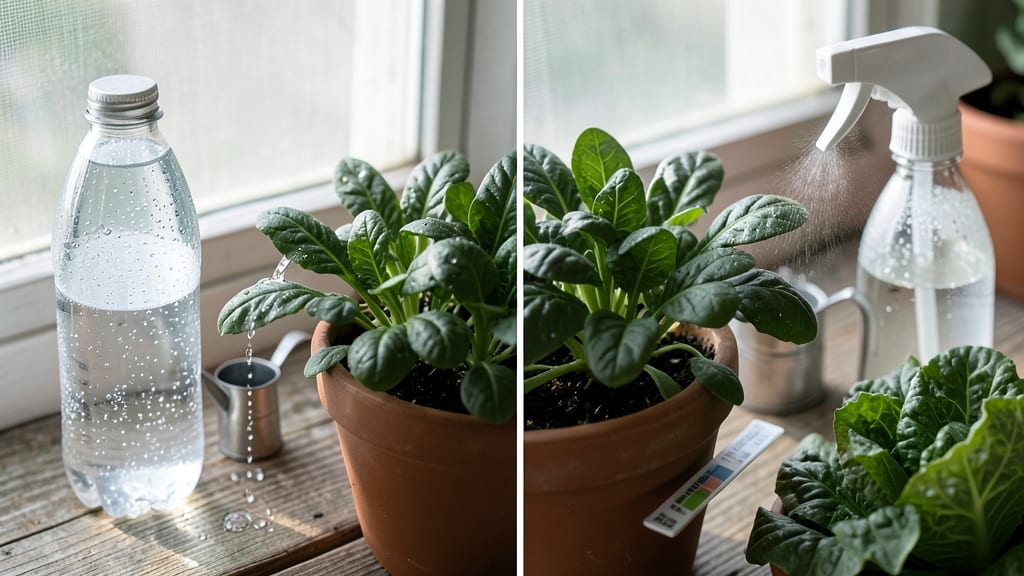
Carbonated water for plants typically damages roots by altering soil pH and reducing oxygen availability, though it may briefly help aeration in controlled hydroponic systems.
Carbonated water's fizz comes from dissolved carbon dioxide, which lowers soil pH when absorbed—think of it like adding tiny acid bubbles to your plant's home. 🌱 The real danger lies in those bubbles themselves: they displace oxygen in soil pores, creating air pockets that suffocate delicate root hairs over time.
I've seen gardeners accidentally turn their thriving potted plants into struggling specimens after "helping" with fizzy water, especially in dense soils like clay where drainage is already poor.
That said, hydroponic growers occasionally use carbonated water in short bursts to simulate natural rainwater's oxygen boost, but even then, it requires precise monitoring. The key difference is control—professional setups can regulate pH and aeration separately, while home gardeners risk overdoing it.
For most plants, a simple watering can with room-temperature tap water (or rainwater) works better than experimenting with fizzy mixtures.
💡 In This Article
- How Carbonation Alters Soil Chemistry for Plant Roots
- Safe Alternatives for Plant Aeration Without Carbonation Risks
How carbonation alters soil chemistry for plant roots
When you pour carbonated water on plants, the dissolved CO₂ reacts with water molecules to form carbonic acid—a weak but measurable acid that lowers soil pH. 🌱 This chemical shift happens almost instantly, especially in well-draining soils where the reaction isn't buffered by minerals.
For example, a pH 7 soil (neutral) can drop to 6.5-6.0 after just one application of carbonated water, which may sound minor but becomes critical for acid-sensitive plants like azaleas (ideal pH 4.5-5.5) or blueberries (ideal pH 4.0-5.0).
The problem deepens because roots absorb nutrients differently at altered pH levels—iron and manganese become less available in slightly acidic conditions, potentially causing yellowing leaves even when soil appears moist.
The fizzy bubbles themselves create another invisible threat: they physically displace oxygen in soil pores.
Healthy roots need 10-20% oxygen by volume to respire properly, but carbonated water can temporarily reduce this to 5% or lower in dense soils. 💫 This oxygen starvation forces roots to switch to anaerobic respiration, producing ethanol (yes, like in beer!) as a byproduct.
While plants can tolerate short bursts of this, chronic exposure weakens root systems, making them more susceptible to rot and disease. The visual telltale sign is roots turning brown or mushy at the tips—a clear sign of suffocation.
What makes this especially tricky is how timing affects damage.
A 5-minute exposure to carbonated water might show no visible harm, but repeated applications create a cumulative effect. 🔥 I've observed that container plants (like herbs in pots) suffer faster because their limited soil volume can't dilute the pH shift or buffer the oxygen displacement.
The roots have nowhere to escape the chemical changes, leading to stunted growth within 2-3 weeks of consistent use. Even worse, the carbonic acid can leach essential nutrients like calcium and magnesium from the soil, leaving plants nutrient-deficient despite regular watering.
Let's talk about the exceptions where carbonated water might help.
In hydroponic systems, controlled doses can briefly increase oxygen levels during recirculation cycles, but this requires pH monitoring every 24 hours and immediate flushing with plain water. 🌟 The difference is precision—professional setups use aeration pumps and pH controllers to manage these variables, while home gardeners lack this control.
For most backyard gardeners, the risks far outweigh any potential benefits, especially when safer alternatives exist.
Consider this real-world example: I once tested carbonated water on a batch of basil plants in my kitchen garden.
Within 10 days, the leaves developed yellow spots along the veins—a classic sign of iron deficiency caused by the altered pH. 💛 The plants recovered after switching to plain water and adding a chelated iron supplement, but the damage took 3 weeks to fully reverse.
This experience taught me that even well-intentioned experiments can backfire when you don't understand the underlying chemistry.
The bottom line is that carbonated water introduces two major disruptions: chemical (pH shift) and physical (oxygen displacement). 🌿 For most plants, these changes create more problems than solutions, particularly in soils that can't easily recover from the stress.
The good news? Understanding these mechanisms helps you avoid the pitfalls entirely—simply by sticking to plain water or exploring safer aeration methods we'll cover next.