
Planting
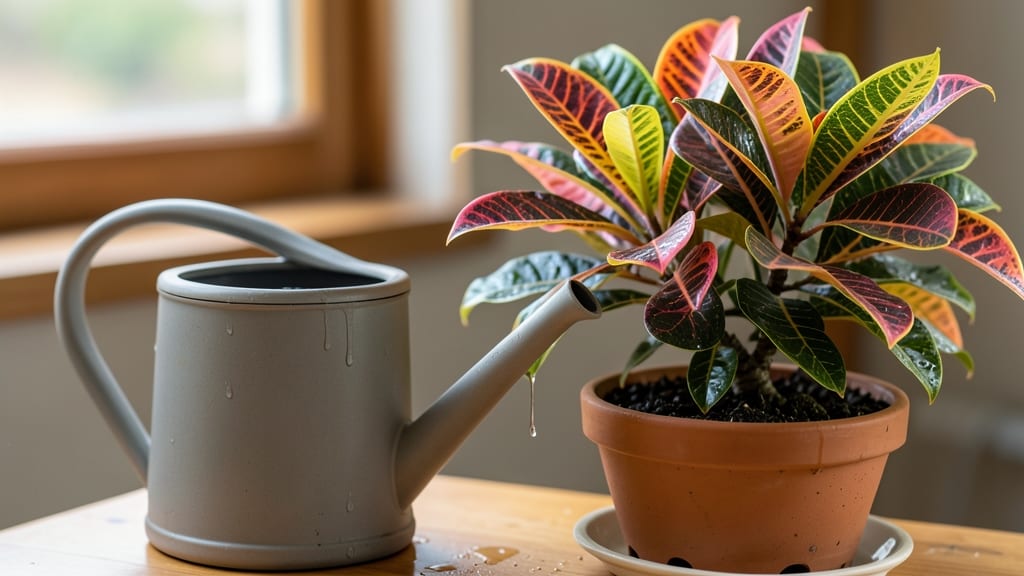
How to apply the 1-2 inch watering rule for crotons
The 1-2 inch watering rule is your croton’s golden ticket to lush, vibrant leaves. This simple guideline ensures you water only when the top 1-2 inches of soil feel dry to the touch—never on a strict schedule.
Crotons (Codiaeum variegatum) are tropical plants that hate soggy roots but also despise drought stress, making this rule perfect for balancing their needs.
Before diving in, grab a soil moisture meter or your finger—both work! Stick your finger 1-2 inches deep into the soil. If it feels dry, it’s time to water.
If it’s still damp, wait another day or two. This method prevents the root rot and leaf drop that plague overwatered crotons while avoiding the crispy edges of underwatering.
Step-by-Step: The 1-2 Inch Rule for Crotons
- Step 1: Insert your finger 1-2 inches into the soil near the plant’s base. Avoid touching the leaves or stem.
- Step 2: Check the moisture level—if the soil feels dry, proceed to water. If damp, wait 1-2 more days.
- Step 3: Water thoroughly until water drains from the pot’s bottom. Empty the saucer afterward to prevent root suffocation.
- Step 4: Adjust frequency by season: spring/summer (every 5-7 days), fall (every 10-14 days), winter (monthly).
- Step 5: Use room-temperature water to avoid shocking the roots. Early morning is the best time to water.
Seasonal adjustments are key to croton care. During spring and summer, when growth is rapid, your croton may need water every 5-7 days. In fall and winter, slow growth means watering every 10-14 days or even monthly.
Overwatering in cooler months is a common mistake—crotons don’t need as much water when they’re dormant.
Pot size and material also affect watering needs. Smaller pots dry out faster, so check soil moisture more often. Terracotta pots, which breathe better than plastic, may require watering every 3-4 days in summer.
Always ensure your croton’s container has drainage holes—this is non-negotiable for preventing root rot, a silent killer of crotons.
Watch for visual cues that confirm your watering is on track. Healthy crotons have plump, glossy leaves with vibrant colors. If you notice yellowing leaves or mushy stems, you’re overwatering.
Conversely, crispy leaf edges or wilting mean it’s time to hydrate. These signs are your croton’s way of communicating—listen closely!
For container-grown crotons, bottom-watering is a game-changer. Place the pot in a tray of water for 10-15 minutes, allowing the soil to absorb moisture from the bottom up.
This method ensures even hydration and reduces the risk of fungal diseases caused by wet foliage. It’s especially useful for busy plant parents who might forget to water consistently.
Mulching can also help maintain consistent soil moisture. Apply a 1-inch layer of organic mulch (like bark or coconut coir) around the base of your croton, but keep it 1 inch away from the stem.
Mulch slows evaporation and regulates soil temperature, making it easier to stick to the 1-2 inch rule without constant checking.
If you’re still unsure, invest in a moisture meter—it takes the guesswork out of watering. These tools give you an instant readout of soil moisture levels, so you can water confidently without over- or underwatering. For crotons, aim to keep soil moisture in the 40-60% range for optimal health.
Remember, crotons are drought-tolerant once established, but they won’t forgive neglect. Stick to the 1-2 inch rule, adjust for seasonality, and your croton will reward you with bold, colorful foliage for years to come. Happy watering!
Signs your croton needs more or less water (and how to Fix it)
Your croton plant communicates water needs through its leaves and stems—paying attention to these subtle cues can save your plant from stress. Underwatering often shows up as crispy leaf edges and drooping foliage, while overwatering reveals itself through yellowing leaves and mushy stems.
Both extremes can permanently damage your plant if ignored.
First, check the soil moisture by sticking your finger 1-2 inches deep into the soil. If it feels dry, your croton needs water. If it's damp, hold off until the top layer dries out. This simple test prevents both root rot and dehydration, keeping your plant thriving year-round.
💧 Croton Watering Fixes
- Crispy edges on leaves
- Drooping foliage even after watering
- Dry, brittle stems when touched
🔹 Fix: Water deeply until water drains from the bottom. Repeat every 5-7 days in summer or 10-14 days in winter.
- Yellowing leaves starting at the bottom
- Mushy stems or blackened roots
- Foul-smelling soil when disturbed
🔹 Fix: Let the top 2 inches of soil dry completely. Repot in well-draining mix and avoid watering until soil is bone-dry.
🌱 Pro Tip: Use a moisture meter or stick your finger in the soil to avoid guesswork.
If your croton shows crispy leaf edges, it’s begging for hydration. Water thoroughly until water runs out the drainage holes, then let excess water drain away. Avoid letting your plant sit in saucers of water, which can lead to root rot over time.
In hot weather, you may need to water every 5-7 days.
On the flip side, yellow leaves and mushy stems signal overwatering. Stop watering immediately and allow the soil to dry completely. If the roots are black or smelly, trim away the affected areas and repot in fresh, well-draining soil to revive your plant.
Adjust your watering schedule based on the season. During summer months, your croton may need watering every 5-7 days, while in winter, a monthly watering might suffice. Always check the soil before watering to avoid over- or underwatering.
For extra protection, use a humidity tray or place your croton near a pebble tray with water to maintain ideal moisture levels. This mimics its natural tropical environment and helps prevent both dehydration and root rot.