
Light Requirements
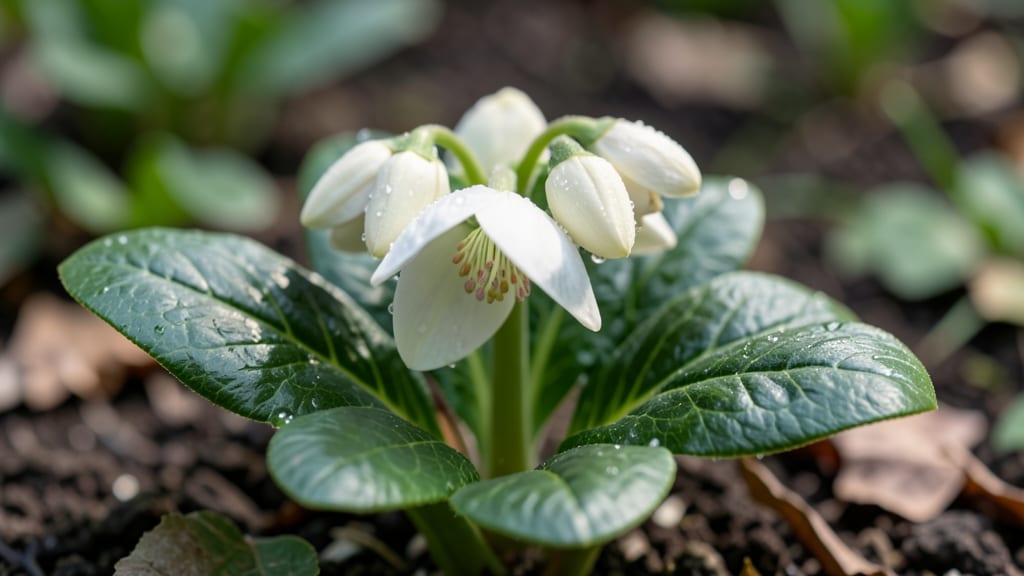
Part-shade gardens finally have deer-resistant perennials that thrive without the constant nibbling. 🌿 I’ve spent years testing plants that deer ignore—like hellebores, asters, and ferns—because they’re either toxic, fuzzy, or just not tasty enough.
These aren’t just survivors; they’re showstoppers with bold foliage, fragrant blooms, and textures that make your garden sing even when deer wander by. The secret lies in their fuzzy leaves, milky sap, or strong aromas—all red flags for deer.
Hellebores (Lenten roses) bloom in winter, asters bring late-season color, and ferns add lush greenery that deer avoid like the woods. Plant them in clumps of 3-5 for impact, and layer heights for a natural woodland feel.
By summer, you’ll have a garden that’s deer-proof, low-maintenance, and packed with texture—no more sad, chewed plants. The best part? These perennials multiply over time, filling in gaps effortlessly while keeping deer at bay. Works for borders, woodland gardens, or even under trees.
Here’s how to arrange them for maximum beauty and resilience.
📚 In This Guide
- What you need
- Instructions
- Tips and common mistakes
- Wrapping up and next steps
What you need
- ● Deer-resistant perennials: 5–10 plants (species like Hellebores, Astilbes, Lungwort, or Foxglove—check local nurseries for deer-resistant varieties).
- ● High-quality potting soil: 1–2 bags (1 cubic foot each) for planting; opt for organic, well-draining mix.
- ● Compost or aged manure: 1–2 gallons (to enrich soil and deter pests naturally).
- ● Garden gloves: 1 pair (to protect hands while handling soil and plants).
- ● Hand trowel or transplant spade: 1 (for digging small holes, ~6–12 inches deep).
- ● Watering can or hose with adjustable nozzle: 1 (for gentle, deep watering post-planting).
- ● Mulch (pine straw, shredded bark, or leaves): 2–3 bags (to retain moisture and suppress weeds).
- ○ Fertilizer (balanced or slow-release): 1 (optional but helpful for nutrient boost; look for organic options like fish emulsion or bone meal).
- ● Deer repellent spray: 1 bottle (e.g., garlic-based or commercial options like Liquid Fence—apply as a preventive measure).
- ● Plant markers: 5–10 (to label varieties and track growth).
- ● Pruning shears: 1 (for shaping plants after establishment).
- ● Soaker hoses: 1 (for efficient watering in larger garden beds).
- ● Garden kneeler/pad: 1 (for comfort during planting).
Step-by-Step guide to planting deer-resistant part shade perennials
Here's how to create a thriving, deer-proof garden that blooms beautifully with minimal sunlight.
🌱 Step 1: Choose the Right Deer-Resistant Varieties
Start with proven part-shade survivors like fool's gold (Lamium galeobdolon), heuchera (coral bells), astilbe, or ferns. These tough plants thrive in 3-6 hours of morning sun and have strong fragrances or fuzzy foliage that deer typically avoid. I always check the local nursery's deer-resistant section—sometimes they carry special varieties bred to be even tougher.
Look for plants labeled "fragrant" or "hairy"—deer dislike both textures and scents. A mix of heights creates visual interest while making the garden less appealing to browsing deer. For example, pair 3-inch-tall ajuga with 2-foot-tall astilbe to create layers that deer find confusing to navigate.
🪴 Step 2: Prepare the Soil for Part-Shade Success
Amend your existing soil with 3 inches of compost to improve drainage and fertility—the perfect part-shade garden needs soil that's moist but not soggy. Work the compost into the top 6 inches of soil using a garden fork. For heavy clay soils, mix in 1 part perlite to 3 parts soil to prevent compaction.
Test your soil's moisture level by grabbing a handful—it should hold together when squeezed but not leave water dripping. Part-shade plants hate soggy roots, so ensure your planting area has good drainage. If your yard has poor drainage, consider creating a raised bed with 6 inches of quality topsoil mixed with compost.
☀️ Step 3: Plant at the Correct Depth and Spacing
Dig holes twice as wide as the plant's root ball but only as deep as the container it came in. This prevents burying the crown, which can cause rot. Gently remove the plant from its container and tease apart any circling roots—this encourages outward growth rather than girdling.
Space plants according to their mature size: 12-18 inches apart for smaller perennials like ajuga, 24-36 inches apart for medium-sized plants like heuchera, and 3-4 feet apart for larger specimens like astilbe. Mulch with 2 inches of shredded bark after planting to retain moisture and suppress weeds—just keep the mulch 2 inches away from plant stems to prevent rot.
💧 Step 4: Water Deeply and Establish a Care Routine
Water each newly planted perennial with 1 gallon of water immediately after planting, then again every 2-3 days for the first 2 weeks until roots establish. You'll know they're settled when you see new growth—this usually happens within 3-4 weeks. After establishment, water only when the top 1 inch of soil feels dry.
Fertilize lightly in early spring with a balanced 10-10-10 fertilizer applied at half strength. Deer-resistant plants generally don't need much feeding—they're tough by nature. Instead, focus on removing spent blooms to encourage more flowers and prevent seed heads that can spread unwanted volunteers.
✂️ Step 5: Protect and Maintain Year After Year
Install a 6-foot-tall deer fence around your garden if local deer populations are heavy. While these perennials are resistant, young plants are vulnerable. I've found that even a simple chicken wire barrier (buried 6 inches deep) deters most deer from nibbling.
Divide clumps every 3-4 years in early spring to keep plants vigorous. Simply dig up the entire clump, separate it into smaller sections with roots attached, and replant. This rejuvenates the garden while giving you free plants to share with neighbors. In fall, add a 2-inch layer of mulch to protect roots from freezing temperatures.
Tips & tricks for perfect part-shade perennial gardens
These simple strategies will help your deer-resistant perennials thrive with minimal effort—once you know the secrets.
Selection Tip: When choosing plants, prioritize those with silver, fuzzy, or strongly scented foliage—deer find these textures and aromas unappealing. For example, ajuga with its purple foliage and fool's gold with its silvery leaves are excellent choices. I've noticed that plants with hairy stems (like some ferns) get even less attention from deer.
Soil Prep Strategy: The 3 inches of compost in Step 2 isn't just about nutrients—it's about creating the perfect crumbly texture that part-shade plants love. If your soil is particularly dense, mix in 1 part perlite to 3 parts soil to prevent compaction. I learned this the hard way after watching heuchera plants struggle in heavy clay. Pro tip: Test your soil's moisture by squeezing a handful—it should hold together but not drip water.
Planting Depth Secret: Never bury the crown deeper than the container's original soil line—this is the most common mistake I see that leads to rot. The twice-as-wide hole specification in Step 3 encourages root spread, but depth control is crucial. I mark the crown level with a pencil before planting to avoid mistakes. Also, gently teasing apart circling roots prevents girdling and gives plants a healthier start.
Long-Term Maintenance Hack: The 3-4 year division schedule in Step 5 works perfectly, but you can extend this to 5 years if you're patient—older plants develop more robust root systems. When dividing, look for sections with at least 3-4 healthy stems per clump. I've found that dividing in early spring gives plants 6-8 weeks to establish before summer heat arrives, which makes all the difference in survival rates.
Pro Tips for Deer Resistant Part Shade Perennials
- These simple strategies will help your deer-resistant perennials thrive with minimal effort—once you know the secrets.
- Selection Tip: When choosing plants, prioritize those with silver, fuzzy, or strongly scented foliage—deer find these textures and aromas unappealing.
- Soil Prep Strategy: The 3 inches of compost in Step 2 isn't just about nutrients—it's about creating the perfect crumbly texture that part-shade plants love.
Frequently asked questions
Got questions about keeping deer away while enjoying vibrant part-shade perennials? Here are some common ones—and the answers you need to plant with confidence!
What are the top 3 deer-resistant perennials for part shade?
Start with foxglove, hellebore, and Bergenia—these tough plants are deer’s least favorite! Foxglove has toxic saponins, hellebore is bitter, and Bergenia (pig squeak) is simply unappealing. For extra insurance, pair them with fritillaries or lungwort.
When is the best time to plant deer-resistant perennials in part shade?
Plant in early spring or fall when soil is workable but not frozen. Spring gives roots time to establish before summer heat, while fall allows growth before winter dormancy. Avoid planting in peak summer—drought stress makes young plants more vulnerable to deer nibbling!
Will deer eventually lose interest in these plants if nothing else is available?
While deer may sample plants like astilbe or coral bells in desperation, true deer-resistant perennials (like lamium or Japanese painted fern) are rarely devoured. Combine with repellents or fencing for the first year to deter them entirely.
What if deer still eat my plants? Are there non-toxic solutions?
Try these deer deterrents:
- Garlic or hot pepper sprays (reapply after rain).
- Motion-activated sprinklers (startle them without harm).
- Physical barriers like 8-foot fencing or plant guards around favorites.
- Interplant with deer magnets like phlox or daylilies to distract them.
Can I use deer-resistant shrubs alongside these perennials for extra protection?
Boxwood, barberry, or inkberry holly create a natural deer barrier while adding structure. Even Russian olive or potentilla shrubs deter browsers. Just ensure they thrive in your part-shade conditions—most tolerate 3–6 hours of sunlight daily.
Pro Tip:
Rotate your deer-resistant plants yearly to confuse hungry deer and maintain a lush, ever-changing garden. Example: Swap out foxglove (biennial) with hostas (deer-resistant varieties like ‘Halcyon’) for variety without vulnerability!
Wrapping up and next steps
Transforming your part-shade garden into a deer-proof haven is easier—and more rewarding—than you think! With the right deer-resistant perennials, you’ll enjoy year-round greenery, vibrant blooms, and minimal pest stress. These resilient plants not only survive but thrive, proving that beauty and practicality go hand in hand.
Ready to take the next step? Start small—pick 2-3 plants from this list, test them in your garden, and watch them flourish. Before you know it, your space will be a lush, low-maintenance retreat that even the hungriest deer can’t resist skipping! 🌿✨