
Watering
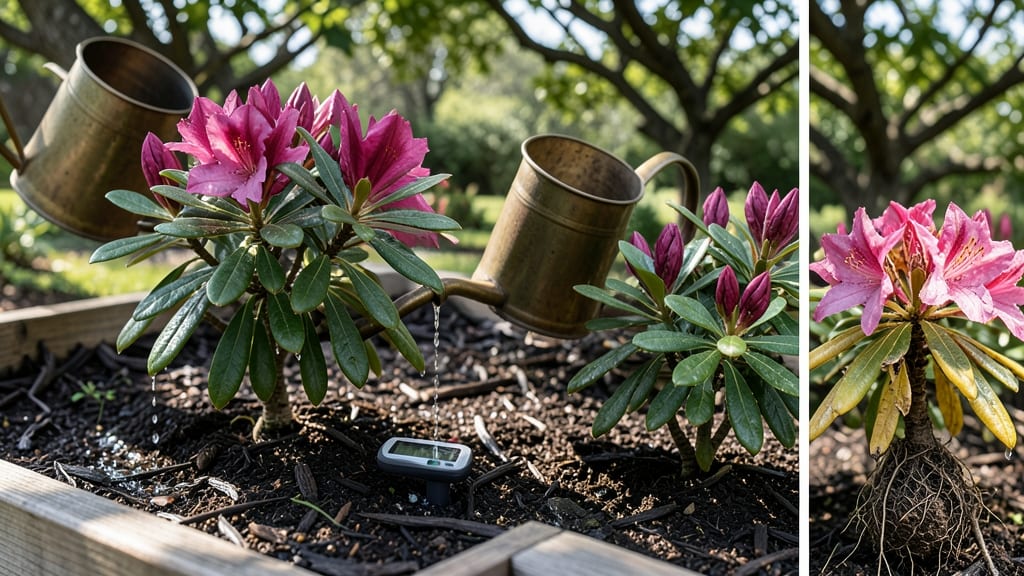
Do azaleas need a lot of water? The short answer is no—they thrive with moderate watering, not too much, not too little, and getting it right is the key to those showstopping blooms 🌸.
Picture this: you’ve just planted your azaleas, and now you’re staring at the watering can, wondering if they’ll drown or dry out. The truth? Azaleas hate soggy roots but also can’t handle drought.
Too little water, and they’ll drop buds; too much, and you’ll end up with root rot. It’s a tightrope walk, but one you can master with the right schedule.
Most gardeners overestimate how much water these shrubs need. Unlike thirsty succulents or drought-tolerant natives, azaleas prefer their soil consistently moist but never waterlogged. That means checking the top inch of soil before watering—if it’s dry, it’s time.
If it’s damp, wait a few more days. Seasonal shifts matter too: summer heat demands more frequent watering, while winter slows everything down.
In this guide, I’ll break down the exact watering routine for your azaleas—how often to water, how deep to go, and how to spot the signs of trouble before they become big problems. No more guessing, just lush, healthy plants that reward you with vibrant blooms year after year.
How much water azaleas actually need (and when)
Azaleas thrive with consistent moisture but despise soggy roots. Unlike drought-tolerant succulents, they need regular watering—about 1-1.5 inches per week—but the real trick is timing and technique. Young plants and container-grown azaleas demand even more attention, while established shrubs in rich soil can sip water more efficiently.
Let’s break down their needs by season, soil type, and age so you never guess again.
Most gardeners overwater azaleas because they assume "lots of water" means daily soaking. In reality, azaleas prefer deep, infrequent watering that encourages strong root growth. The key is keeping the top 2-3 inches of soil moist—never waterlogged.
Test this by sticking your finger in the soil; if it feels dry at that depth, it’s time to water. Overwatering is the #1 killer of azaleas, causing root rot and yellowing leaves.
Azaleas need more water in summer when temperatures climb and evaporation speeds up. During spring and fall, reduce frequency slightly, and in winter, cut back almost entirely unless you’re in a mild climate. Container azaleas dry out faster than in-ground plants, so they often need daily watering in summer—but always check soil moisture first. Let’s dive into the specifics with this quick reference guide.
| Condition | Young Plants (<1 year) | Mature Plants (2+ years) | Container-Grown |
|---|---|---|---|
| Water Frequency | Every 2-3 days | Every 5-7 days | Daily in summer |
| Amount per Watering | 1 gallon (deep soak) | 2-3 gallons | 1-2 gallons |
| Best Time to Water | Morning (6-9 AM) | Early morning | Morning or evening |
| Soil Moisture Check | Top 1-2 inches dry | Top 2-3 inches dry | Top 1 inch dry |
| Seasonal Adjustments | Increase in summer | Reduce in winter | Increase in heat |
Your azalea’s soil type plays a huge role in watering needs. Azaleas love acidic, well-draining soil—think peat moss or pine bark mixes. In clay soil, water penetrates slowly, so you’ll need to water less frequently but more deeply.
Sandy soil drains too quickly, so you’ll water more often. To improve drainage, amend your soil with organic matter like compost or pine needles. A simple soil test kit can reveal if your soil holds too much moisture or drains too fast.
During spring and early summer, azaleas need 1-1.5 inches of water per week, split into 2-3 watering sessions.
In peak summer heat (75°F+), increase to 2 inches per week, especially for container azaleas. Fall watering should taper off as the plant prepares for dormancy, and winter watering is minimal unless you’re in a dry climate.
Always water at the base of the plant, avoiding leaves to prevent fungal diseases like powdery mildew.
Young azaleas (<1 year old) are the most delicate and need daily checks during hot spells. Use your finger to test moisture—if the top 1-2 inches feel dry, water thoroughly. Mature azaleas (2+ years) can handle 5-7 days between waterings in normal conditions, but never let them dry out completely.
A good rule of thumb: water before the soil feels dry. Over time, deep watering encourages roots to grow downward, making your azalea more resilient to drought.
One of the biggest mistakes I see is watering azaleas at night. While it might seem logical to cool the plant down, nighttime watering promotes fungal growth and can lead to leaf spot diseases.
Always water in the early morning (6-9 AM) so leaves have time to dry before evening. If you must water in the evening, do it by 5 PM to minimize risk. For container azaleas, consider a self-watering pot or drip irrigation system to maintain consistent moisture without overdoing it.
Mulching is a
Signs of overwatering vs. underwatering azaleas (and how to fix it)
Azaleas thrive when their soil stays consistently moist but never soggy. The tricky part? Overwatering and underwatering can look eerily similar at first glance—both cause wilting or yellowing leaves. But there are key differences in the roots, foliage, and growth patterns that reveal the truth.
Let’s decode these signs so you can rescue your azaleas before it’s too late.
Start by checking the soil moisture with your finger. Stick it about 1-2 inches deep—if it feels damp but not wet, your azalea is likely happy. If it’s bone-dry, it’s thirsty.
If it’s soggy or smells musty, you’ve overdone it. Azaleas hate soggy roots, which lead to root rot and fungal diseases. The good news? Fixing these issues is simpler than you think.
Do Azaleas Need a Lot of Water?
- Consistent moisture supports vibrant blooms
- Partial shade helps retain soil dampness
- Mulch reduces evaporation needs
- Too much water causes root rot
- Soggy soil attracts fungus
- Overwatering stunts growth
Best Practice: Water deeply once a week (or bi-weekly in cooler months) and check soil moisture before watering again.
If your azalea shows yellowing leaves that start at the bottom and spread upward, it’s likely underwatered. The edges of the leaves may also curl inward as the plant conserves moisture.
Run your fingers through the soil—if it’s dry 1-2 inches down, give it a deep watering until water drains from the bottom of the pot (or runs out of the soil in the ground).
For overwatered azaleas, look for leaves that turn yellow but stay soft and mushy. The stems may feel spongy when pressed, and you might notice white mold or a foul smell near the base.
If the soil stays wet for more than 24-48 hours, it’s time to act. Stop watering immediately and let the soil dry out. If the roots look brown or mushy, trim them with sterilized scissors and repot in fresh, well-draining soil.
Long-term, adjust your watering routine by mulching with 2-3 inches of organic mulch (like pine bark or shredded leaves) to retain moisture without over-saturating the soil.
Also, ensure your azalea’s pot has drainage holes or that the ground soil isn’t compacted. Morning watering is ideal—it gives roots time to absorb moisture before evening humidity sets in.
Remember, azaleas are tougher than they look. With the right balance, they’ll reward you with lush foliage and stunning blooms for years. Keep an eye on those leaves, check the soil, and soon you’ll have a watering routine that keeps your azaleas thriving—no guesswork required. 🌸