
Light Requirements
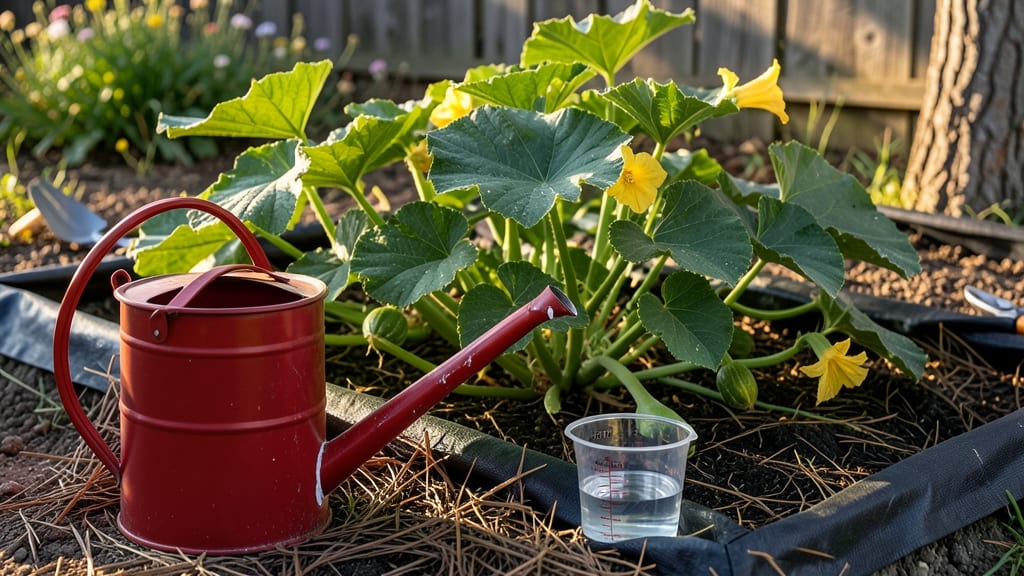
Squash plants actually need a lot of water to thrive, but the key is delivering it the right way—deep, infrequent soaks rather than daily sprinkles.
I’ve watched my own 🎃 vines wilt dramatically after a single hot afternoon, only to bounce back with a single deep watering. The trick isn’t drowning them daily—it’s keeping their roots consistently moist without inviting rot or fungal issues.
Too much water is just as bad as too little, and most gardeners swing wildly between the two.
In summer’s heat, squash roots can dry out fast, but overwatering in cooler months chokes them. Below, I’ll break down the exact watering schedule by season, how to tell if your plants are thirsty (or drowning), and why morning watering saves your harvest from mildew.
You’ll learn how to balance hydration for lush vines and heavy fruit, plus the one simple trick that cuts water waste by half—without stressing your plants.
How much water do squash plants actually need?
Squash plants thrive when their roots stay consistently moist, but they don’t need constant soggy soil—just the right balance. Deep watering every 3-5 days is ideal, especially during hot summer months when evaporation speeds up.
The key is keeping the top 1-2 inches of soil damp, not muddy. Overwatering can lead to root rot, while underwatering causes blossoms to drop and fruit to shrivel.
Squash vines spread wide and deep, so their roots need access to moisture beyond the surface. Shallow watering encourages weak roots that can’t support heavy fruits. Instead, aim for a slow, deep soak that penetrates at least 6-8 inches into the soil.
This mimics natural rainfall and helps the plant develop a strong root system to anchor those 3-6 foot vines and support 5-10 pound fruits.
Here’s a quick breakdown of squash watering needs at different growth stages:
| Growth Stage | Water Frequency | Soil Moisture Goal | Key Tips |
|---|---|---|---|
| Seedlings | Every 2-3 days | Keep soil lightly moist | Use shallow watering to avoid disturbing roots |
| Vine Development | Every 3-4 days | 1-2 inches deep moisture | Mulch to retain moisture and prevent weeds |
| Flowering/Fruiting | Daily or every 2 days | Deep, consistent moisture | Water at soil level, not leaves, to prevent disease |
| Harvest Season | Every 5-7 days | Reduce but maintain moisture | Taper watering as vines yellow and die back |
Seasonal adjustments are critical. In summer heat, squash plants can lose 1 inch of water per day through evaporation, so you may need to water daily. Conversely, in cooler months, reduce frequency to every 5-7 days to avoid waterlogged soil.
Always check soil moisture by sticking your finger 2 inches deep—if it’s dry, it’s time to water.
Signs of underwatering include wilting leaves, yellowing fruit, and blossom drop. These symptoms often appear first on the older leaves and spread quickly if the issue isn’t addressed.
Overwatering, on the other hand, shows up as yellowing leaves, mushy stems, or fungal spots on foliage. Both extremes stress the plant and reduce yield, so consistency is key.
Mulching is a game-changer for squash watering. A 3-inch layer of straw or grass clippings around the base of plants helps retain moisture, suppresses weeds, and keeps soil temperatures stable.
This means fewer watering sessions and healthier roots. Plus, it reduces the risk of soil-borne diseases by preventing water from splashing onto leaves during irrigation.
Container-grown squash has different needs. Potted plants dry out 2-3x faster than in-ground varieties, so check soil moisture daily during hot weather. Use containers with drainage holes and opt for self-watering pots if you’re prone to forgetting watering days.
A 5-gallon pot can support one squash plant, but larger containers allow for bigger varieties like butternut or hubbard squash.
Morning watering is always best. Watering in the early hours (before 10 AM) gives foliage time to dry, reducing the risk of powdery mildew and bacterial infections. Avoid evening watering, as damp leaves overnight create a breeding ground for pests and diseases.
If you must water in the evening, use a soaker hose to deliver water directly to the soil.
Adjust your watering routine based on your local climate. In humid regions, you might need to water less frequently because high humidity slows evaporation. In arid climates, consider drip irrigation or mulch heavily to conserve moisture.
Always prioritize deep, infrequent watering over light, frequent sprinkles—this builds stronger roots and healthier plants.
Remember, squash plants communicate their needs through their leaves. Dark green, crisp leaves mean you’re nailing it. Drooping or crispy leaves? Time to adjust. With the right balance of water, your squash vines will reward you with abundant, disease-free fruit all season long. 🎃
Deep watering techniques for squash vines: when and how to water like a pro
Squash vines thrive with deep watering, which encourages strong root systems and prevents shallow, weak growth. Unlike shallow sprinkling, deep watering mimics natural rainfall by soaking the soil to a depth of 6-8 inches. This method reduces stress on plants and ensures consistent moisture where roots actively grow.
Timing your watering sessions is just as crucial as the technique. Watering in the early morning (before 10 AM) allows foliage to dry quickly, reducing the risk of fungal diseases like powdery mildew. Evening watering can leave leaves damp overnight, creating a breeding ground for pests and pathogens.
For most gardeners, drip irrigation is the gold standard for squash watering. It delivers water directly to the soil at the base of plants, minimizing waste and evaporation. If you’re hand-watering, use a soaker hose or a watering wand to direct the stream to the roots and avoid wetting leaves.
⚠️ Warning: Overwatering is Just as Harmful as Underwatering!
Do squash need a lot of water? Yes—but too much water suffocates roots by cutting off oxygen. Signs of overwatering include yellowing leaves, mushy stems, and wilting despite wet soil. Always check soil moisture by sticking your finger 2 inches deep; water only if it feels dry.
Pro Tip: Mulch around squash plants with straw or shredded leaves to retain moisture and prevent soil from drying too quickly. This reduces the need for frequent watering while keeping roots cool.
During peak summer months, squash may need watering every 1-2 days, especially in hot, dry climates. In cooler weather, every 3-5 days is usually sufficient. Always adjust based on rainfall—there’s no need to water if the soil is already moist from recent showers.
For container-grown squash, watering needs are higher due to limited soil volume. Potted plants often require daily watering in summer, as their roots dry out much faster. Use pots with drainage holes and a well-draining potting mix to prevent root rot.
To test if your watering routine is working, gently tug on a squash vine. If it resists slightly (indicating turgid cells), you’re maintaining the right moisture balance.
If it pulls away easily, it’s time to water. Consistency is key—squash vines hate fluctuations in soil moisture, which can lead to blossom-end rot in fruits.