
Orchid Care
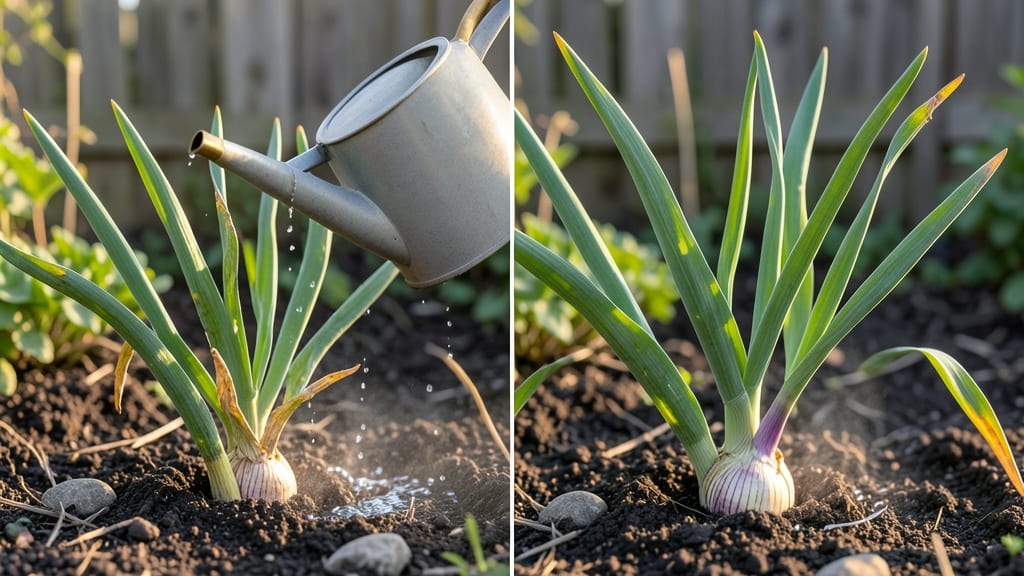
Do onions like a lot of water? The short answer is no—they thrive with consistent moisture but don’t need a lot of water, and overdoing it can drown their roots and ruin your harvest.
Picture this: you’re watering your 🧅 every day, expecting plump bulbs, but instead, you’re left with sad, mushy onions that never mature. That’s because onions are more sensitive to too much water than you might think.
Here’s the truth: they prefer moderate moisture, not soggy soil. The key is keeping the soil evenly damp—not waterlogged—while avoiding dry spells that stress the plants. Too little water stunts growth, but too much invites rot and weak roots.
In this guide, I’ll break down exactly how much water onions need, how to spot overwatering (and what to do about it), and the best watering habits for healthy, harvest-ready bulbs—no guesswork required.
How much water onions need: the ideal balance for bulb formation
Onions might seem like low-maintenance vegetables, but their water needs are more nuanced than you’d think. Too little, and they’ll shrivel; too much, and you’ll end up with mushy bulbs or worse—root rot. The secret lies in maintaining consistent soil moisture without letting onions sit in soggy conditions.
Think of it like Goldilocks: not too wet, not too dry, but just right for those plump, papery layers we all love.
Scientifically, onions thrive with 1 inch of water per week, delivered either through rainfall or irrigation. However, this number changes with weather conditions and soil type. Sandy soils drain quickly and may need daily checks, while clay soils hold moisture longer and can go longer between waterings.
Understanding your soil’s behavior is half the battle in preventing waterlogged onion beds that stunt growth.
🌱 Did You Know? Onions are shallow-rooted plants, meaning their roots only extend about 6 inches deep. This makes them highly sensitive to surface moisture levels. Overwatering can suffocate these roots, leading to poor bulb formation or even death. The key is to water deeply but infrequently, encouraging roots to seek moisture lower in the soil where it’s more stable.
| Growth Stage | Water Needs | Soil Moisture Check | Frequency |
|---|---|---|---|
| Seedlings (0-4 weeks) | 1/2 inch per week | Top inch dry | Every 2-3 days |
| Bulb Formation (4-12 weeks) | 1 inch per week | Top 2 inches dry | Every 5-7 days |
| Maturity (12+ weeks) | Reduce to 1/2 inch | Top 3 inches dry | Every 10-14 days |
| Drought Stress | Deep soak weekly | Wilting leaves | Immediate recovery |
| Overwatering Risk | Avoid standing water | Yellowing tops | Reduce immediately |
To check if your onions need water, use the finger test: stick your index finger about 2 inches into the soil. If it feels dry, it’s time to water. If it’s damp, wait another day.
This simple method helps you avoid the common mistake of watering on a schedule rather than responding to the plant’s actual needs. Overwatering is just as damaging as underwatering—it creates anaerobic conditions that prevent roots from accessing oxygen, leading to stunted growth or disease.
Another critical factor is watering time. Early morning is ideal because it allows foliage to dry quickly, reducing the risk of fungal diseases like downy mildew. Watering in the evening can leave moisture on leaves overnight, creating a perfect environment for pathogens.
If you must water later in the day, aim for the soil around the base of the plant, avoiding the leaves entirely. This targeted approach keeps your onions healthy and productive.
For gardeners in hot, dry climates, mulching is a game-changer. A 2-3 inch layer of straw or grass clippings helps retain soil moisture, reduces evaporation, and keeps roots cool. In contrast, regions with frequent rain may require raised beds or containers with drainage holes to prevent waterlogging.
The goal is to mimic the natural soil conditions onions prefer: well-drained but consistently moist, never soggy.
One of the biggest myths about onion care is that they like a lot of water. While they do need regular hydration, their tolerance for excess moisture is surprisingly low. Overwatered onions often develop soft necks and rotten bulbs, making them unusable.
To test your watering balance, observe the top growth: healthy onions have firm, upright green shoots. If they flop over or turn yellow, you’re likely overdoing it.
If you’re growing onions in containers, drainage is non-negotiable. Ensure pots have holes at the bottom and use a well-draining potting mix. Without proper drainage, roots will suffocate, and your entire crop could fail.
Even in garden beds, amending soil with compost improves drainage and aeration, giving onion roots the space they need to thrive. Remember, the goal isn’t to drown your onions—it’s to provide them with just enough water to encourage strong, flavorful bulbs.
Finally, adjust your watering routine based on the season. During the growing season (spring and summer), onions will need more frequent watering. As temperatures drop in fall, reduce watering to prepare the plants for harvest.
The last thing you want is a soggy onion bed when you’re ready to pull those beautiful bulbs from the soil. With the right balance, your onions will reward you with a bountiful harvest of sweet, crisp layers ready for storage or cooking.
Signs of overwatering onions: root rot, yellowing, and other warning signals
Onions might look like they crave moisture, but too much water can turn your bulb harvest into a soggy disappointment. Unlike many veggies, onions prefer consistent moisture without sitting in wet soil. When overwatered, they send clear distress signals—often before it’s too late to save them.
First, watch for yellowing leaves that start at the base and creep upward. This isn’t just old age—it’s a cry for help. Overwatered onions also develop a mushy texture when you squeeze the bulb, a sign their roots are drowning in excess water.
Don’t ignore these clues; they’re your first warning that your watering routine needs an overhaul.
⚠️ callout warning
Onions do not like soggy soil—their roots need oxygen to thrive. Excess water blocks oxygen, causing root rot (a fungal disease) that turns roots black and mushy. Check soil moisture by sticking your finger 1 inch deep—if it’s damp, wait to water.
Next, inspect the base of the plant for a foul odor or slimy residue. This is a red flag for bacterial soft rot, a common overwatering side effect.
If you see mold or white fuzz on the soil surface, your onions are in a high-moisture danger zone. Act fast—these signs mean your plants are already stressed.
For recovery, reduce watering immediately and improve drainage. Loosen compacted soil around the roots with a fork to help oxygen flow. If the rot is severe, remove affected plants to prevent spreading. In clay-heavy soil, mix in compost or sand to create better drainage paths for future plantings.
Prevent future issues by watering only at the base (never overhead) and using mulch to regulate soil moisture. Aim for 1 inch of water per week, adjusting for rain. Your onions will reward you with firm, flavorful bulbs instead of sad, waterlogged rejects.
Remember, onions are resilient—but they won’t tolerate standing water. Stay vigilant, and your harvest will thank you with crisp, healthy bulbs ready for storage or cooking. 🧅