
Light Requirements
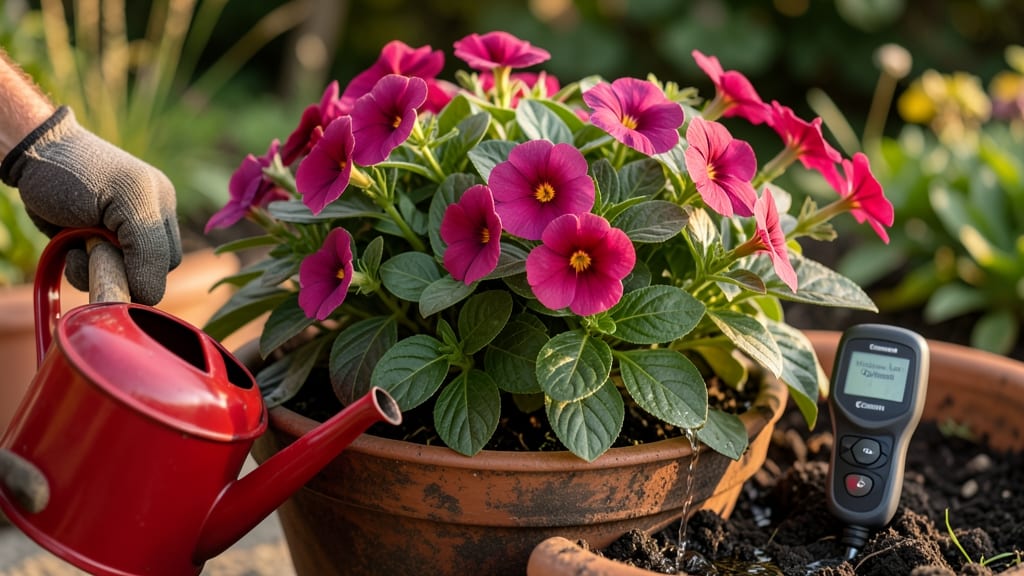
Sunpatiens need consistent moisture but not a lot of water 🌸 — the key is keeping their soil evenly damp, not soggy.
Picture this: you water your sunpatiens every day, but their leaves still wilt by afternoon. That’s because these tropical beauties hate both drought and waterlogged roots. The secret? A simple drip test that tells you exactly when to water—no guesswork.
Since sunpatiens thrive in humid, subtropical climates, they mimic those conditions best with well-draining soil and regular (but not excessive) hydration. Too little water, and they’ll droop; too much, and their roots suffocate.
Below, I’ll show you how to strike the perfect balance—down to the soil type and mulch that cuts watering needs by half.
You’ll walk away knowing exactly when to water, how to spot over- or underwatering, and which soil mix keeps your sunpatiens blooming all season long. No more guesswork, just happy plants.
How often to water sunpatiens: the drip test method for perfect moisture
Sunpatiens may look like they need constant watering with their lush foliage and vibrant blooms, but overwatering is their #1 enemy. These tropical beauties actually prefer consistent moisture—not soggy soil. The key is testing soil moisture properly, not guessing based on days since your last watering.
Let’s dive into the drip test method, a foolproof way to keep your sunpatiens thriving without drowning them.
Most gardeners make the mistake of assuming sunpatiens need daily watering, especially in summer. But their native tropical habitat means they’re adapted to even moisture—not standing water. The drip test method helps you water just enough to keep roots happy without suffocating them.
This simple technique saves time, prevents root rot, and keeps your plants blooming all season.
Step-by-Step Drip Test for Sunpatiens
- Step 1: Choose the right time – Test soil in the morning (after nighttime moisture has settled) or evening (before evening watering). Avoid testing after recent rain or watering.
- Step 2: Dig 1-2 inches deep – Use a finger or small trowel to check the topsoil layer, where most roots absorb water. Sunpatiens’ roots are shallow, so this depth is perfect.
- Step 3: Perform the drip test – Gently press your finger into the soil. If it feels dry or crumbly, it’s time to water. If moisture drips onto your hand or soil sticks together, wait 1-2 more days.
- Step 4: Adjust for sun exposure – Plants in full sun may need watering every 1-2 days, while those in partial shade can go 2-3 days between waterings. Observe leaf color for clues!
- Step 5: Water deeply – When you water, soak the soil until it’s moist 2-3 inches down. A slow drip or soaker hose works best to avoid runoff.
Sun exposure plays a huge role in how often you’ll need to water. Sunpatiens in full sun (like a south-facing garden bed) can dry out faster, while those in partial shade (e.g., under a tree’s dappled branches) may stay moist longer.
I’ve seen sunpatiens in morning sun with afternoon shade thrive on watering every other day, while those baked all day need daily checks.
Another common myth is that sunpatiens need constant moisture like a swamp plant. In reality, they’re more like drought-tolerant tropicals once established. The drip test helps you mimic their natural environment—consistent but not soggy.
Overwatering leads to yellow leaves and mushy stems, while underwatering causes wilting and droopy flowers. Balance is everything!
For container-grown sunpatiens, the drip test is even more critical. Pots dry out 3-5x faster than garden beds, so check soil daily in summer. I use a moisture meter for containers to avoid overwatering—it’s a game-changer for busy gardeners.
Pro tip: Terracotta pots dry out faster than plastic, so adjust your watering schedule accordingly.
Watch your sunpatiens’ leaves for early warning signs. Dark green, crisp leaves mean they’re happy and well-watered. Yellowing leaves or soft stems signal overwatering, while crispy edges or wilting means they’re thirsty. The drip test helps you catch these signs before they become serious problems.
Mulching is your secret weapon for reducing watering frequency by up to 50%. Apply a 2-inch layer of mulch (like shredded bark or straw) around your sunpatiens to lock in moisture and regulate soil temperature.
This lets you water less often while keeping roots consistently moist—just how sunpatiens love it.
Remember, sunpatiens are not high-maintenance—they just need smart watering. By mastering the drip test, you’ll save time, prevent common mistakes, and enjoy bigger blooms all season. Start testing your soil today, and watch your sunpatiens flourish without the guesswork!
Signs of overwatering vs. underwatering sunpatiens (with fixes)
Sunpatiens may love moisture, but their roots despise soggy conditions. The key is consistent hydration without saturation. I’ve seen gardeners drown these beauties thinking they need "constant" water, only to watch their leaves yellow and stems rot.
Let’s decode the visual and tactile clues so you can rescue your sunpatiens before it’s too late.
Start by examining the leaves and soil. Yellowing leaves with mushy stems? That’s a red flag for overwatering. Meanwhile, crispy edges and wilting foliage signal underwatering.
The difference isn’t always obvious, which is why I recommend the "finger test" – stick your finger 1-2 inches into the soil. If it’s damp, wait. If it’s dry, water deeply.
Overwatering vs. Underwatering: Quick Fixes
Overwatering
- Yellow leaves with brown edges
- Mushy stems when pressed
- Foul-smelling soil
- Slow growth despite watering
Underwatering
- Dry, crispy leaf edges
- Wilting foliage even in soil
- Dull, dry soil when touched
- Slow recovery after watering
For overwatered sunpatiens, I’ve had success with the "drainage rescue" method. Gently remove the plant from its pot, trim any mushy roots with sterilized scissors, and repot in a mix of 50% potting soil and 50% perlite.
This improves aeration while preventing future sogginess. Place the pot in a spot with bright indirect light to help it recover.
When underwatering strikes, the fix is simpler but requires consistency. Water your sunpatiens deeply in the morning, aiming for the soil to stay moist but not soggy. I’ve found that self-watering pots with a moisture meter can be a game-changer for busy gardeners.
These tools alert you when it’s time to water, so you’re never guessing.
Don’t overlook the environmental factors influencing their needs. Sunpatiens in full sun will dry out faster than those in partial shade. Adjust your watering schedule accordingly – typically, daily in summer heat versus every 3-4 days in cooler months.
A quick way to test? Lift the pot: if it feels light, it’s time to water.
Remember, sunpatiens are tropical natives, so they crave humidity. If your home is dry, try the "pebble tray" trick: place the pot on a tray filled with pebbles and water.
As the water evaporates, it creates a humid microclimate around your plant. This simple hack can prevent the crispy edges that scream "I’m thirsty!" 🌸