
Orchid Care
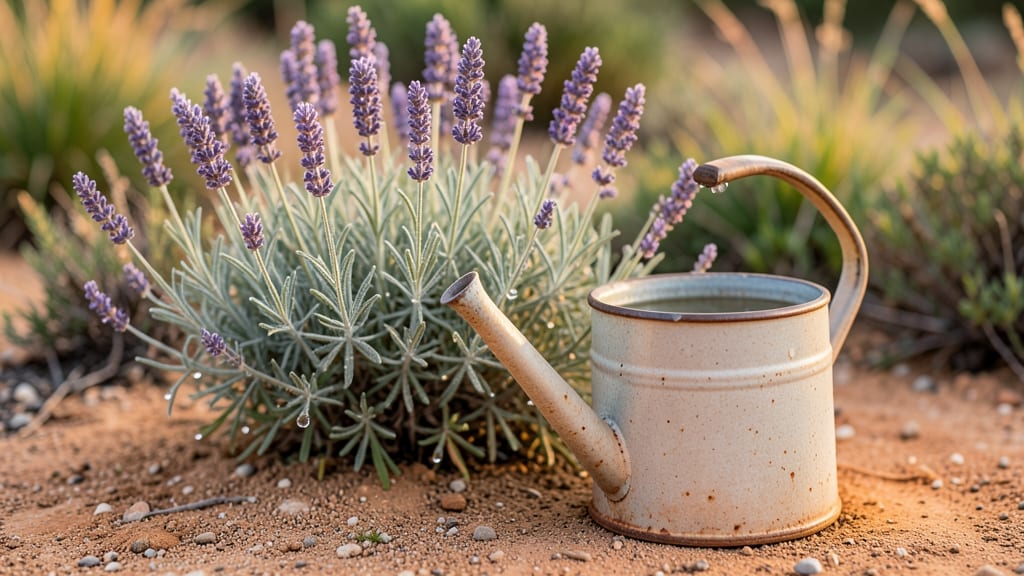
Putting lavender in water is only safe for short-term arrangements—its woody stems absorb moisture poorly and rot within days. For temporary displays, trim stems at an angle, change water daily, and replant in soil immediately to prevent irreversible damage.
Lavender's natural structure makes it a poor candidate for traditional water hydration.
Unlike fresh-cut flowers, its thick, woody stems lack the vascular system needed to efficiently draw up water, leading to bacterial growth and stem decay. 🌿 Even with proper trimming, lavender in water will only last 2-3 days before showing signs of stress, while soil-grown lavender thrives for months.
The key difference lies in how each medium supports the plant's hydration needs—soil provides both moisture and air circulation, while water creates a suffocating environment for these drought-adapted plants.
For short-term water displays, I recommend adding a splash of floral preservative (like a teaspoon of sugar and a drop of bleach per quart of water) to slow bacterial growth. This temporary solution keeps stems fresh longer while you admire their fragrance, but always replant within 48 hours.
The damage from prolonged water exposure is irreversible—lavender's roots aren't designed to re-establish once submerged, so this method should only be used for special occasions, not regular care.
💡 In This Article
- Why Lavender Stems Struggle in Water
- Temporary Water Arrangement Hacks for Lavender
Why lavender stems struggle in water
Lavender's thick, woody stems evolved for drought resistance, not water absorption. Unlike traditional cut flowers, they lack the hollow, flexible vascular bundles that efficiently transport water upward. Instead, lavender stems contain dense, pithy tissue that resists moisture uptake, making them prone to bacterial invasion when submerged.
This is why you'll often see stems turning mushy within 24-48 hours—the water creates the perfect environment for anaerobic bacteria to thrive in the stem's porous structure.
The real issue lies in lavender's natural hydration system. In soil, roots absorb moisture through capillary action while allowing air circulation, preventing rot.
But when stems sit in water, they block oxygen flow to the lower stem, causing cellular suffocation. 🌿 Think of it like trying to drink through a straw clogged with jelly—no matter how much water you pour in, it won't reach where it's needed.
The stems' waxy cuticle, designed to conserve moisture in dry climates, actually repels water when submerged, creating air pockets that trap bacteria.
Temperature accelerates this decay process. Lavender thrives in 60-80°F conditions, but water acts as a thermal conductor. When placed in water at room temperature or above, the stems experience rapid temperature fluctuations that stress the plant cells.
This is why lavender in water often develops brown, slimy stems within 3-5 days, while soil-grown lavender maintains vibrant green stems for weeks. The contrast is striking—what looks fresh in water quickly becomes a bacterial breeding ground.
There's also the chemical composition to consider. Lavender's essential oils, which give it that signature fragrance, become more concentrated when stems are stressed. In water, these oils can leach into the solution, creating an even more hospitable environment for bacteria.
This is why you might notice the water turning cloudy or developing an unpleasant odor—it's not just dirt, but the plant's own oils breaking down. In soil, these oils serve as natural preservatives, but in water, they work against the plant.
For comparison, consider sunflowers or roses—their stems are designed to draw up water efficiently through hollow centers. Lavender's stems are more like a tree branch, built for structural support rather than hydration.
This fundamental difference explains why even with perfect water conditions, lavender will never thrive long-term in water. The plant's entire biology is adapted to dry, rocky Mediterranean soils, not vase arrangements. 💫
What most people don't realize is that lavender's root system plays a crucial role in its survival. When you cut stems for water arrangements, you're removing the plant's natural moisture regulation system. Roots don't just absorb water—they also filter it, regulate pressure, and store nutrients.
Without them, the stems are essentially floating in a bacterial soup with no way to process or regulate what they're absorbing.