
Light Requirements
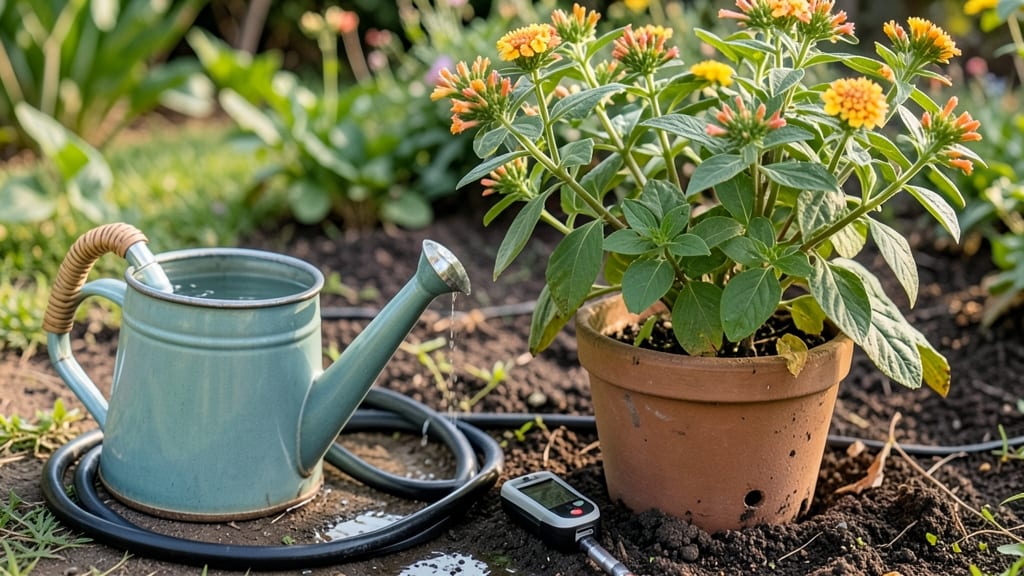
How much water does lantana really need (and when to adjust)
If you’ve ever wondered, "does lantana need a lot of water," the answer might surprise you. Native to dry, tropical regions, lantana has evolved to thrive with minimal hydration.
In fact, overwatering is a far bigger threat than underwatering. These hardy shrubs store water in their succulent-like stems, allowing them to survive prolonged droughts—making them perfect for low-maintenance gardens.
Lantana’s water needs vary dramatically by climate zone, soil type, and season. In USDA Zones 8-11, where they’re native, lantana often goes weeks without rain and still blooms profusely.
However, in cooler or wetter climates, like Zones 6-7, adjustments are needed to prevent root rot or fungal diseases. Let’s break down exactly how to water lantana for maximum blooms without drowning it.
Key takeaway: Lantana prefers deep but infrequent watering—think of it like giving your plant a long drink instead of a daily sip. This mimics its natural habitat, where heavy rains are followed by dry spells. The goal is to encourage deep root growth, which makes the plant more resilient to drought. Now, let’s dive into the specifics.
| Condition | Lantana Water Needs | Adjustments by Climate | Seasonal Tweaks |
|---|---|---|---|
| Soil Type | Well-draining, sandy, or gravelly soil | Clay soil? Add perlite or compost to prevent waterlogging | Spring: Water every 3-5 days |
| Container vs. Ground | Containers dry out faster; ground-planted needs less | Containers: Water every 2-3 days in heat | Summer: Every 5-7 days (less in extreme heat) |
| USDA Zones 8-11 | Minimal watering; relies on rainfall | Water only when soil is bone-dry | Fall: Every 7-10 days |
| USDA Zones 6-7 | More frequent watering to prevent winter stress | Mulch heavily to retain moisture | Winter: Monthly or none (unless potted) |
| Watering Time | Morning (6-9 AM) to reduce evaporation | Avoid evening watering to prevent fungal growth | Rainy seasons: Skip watering entirely |
In well-draining soil, lantana can go 2-3 weeks without water in its native climate. The key is to water deeply—about 1-2 inches per session—to encourage roots to grow downward. Shallow watering leads to weak, surface roots that are prone to drying out.
For container-grown lantana, check the soil moisture by sticking your finger 1-2 inches deep. If it’s dry, water thoroughly; if it’s still moist, wait another day or two.
One common mistake is assuming that lantana’s vibrant blooms mean it’s thriving on heavy watering. In reality, overwatered lantana often shows signs like yellowing leaves, mushy stems, or drooping foliage. These are red flags that you’re giving it too much love.
Conversely, underwatered lantana will have crispy leaf edges and drooping stems that don’t bounce back when watered. The solution? Let the soil dry out completely between waterings.
Seasonal adjustments are critical. During spring and fall, when temperatures are moderate, lantana benefits from regular but light watering—about once every 3-5 days.
In summer’s peak heat, even native lantana may need a slightly more frequent drink, but deep watering every 5-7 days is usually sufficient. In winter, especially in cooler zones, reduce watering to once a month or eliminate it entirely if the plant is dormant.
Mulching with 2-3 inches of organic mulch helps retain moisture and regulate soil
5 Signs you’re overwatering (or underwatering) your lantana—and how to fix it
If your lantana leaves look sad or flowers refuse to bloom, your watering habits might be the issue. These drought-loving plants often suffer from overwatering—a common mistake even experienced gardeners make. Let’s decode the visual clues and fix them fast.
Lantana thrives on consistent neglect, not constant hydration. In fact, yellowing leaves or mushy stems are classic signs you’re drowning your plant. But underwatering can be just as harmful, causing wilting and stunted growth. Let’s troubleshoot together.
⚠️ Warning: Lantana’s Watering Secret
Lantana needs LESS water than most gardeners think. In containers, check soil moisture daily—it dries out faster. In garden beds, water every 5-7 days unless your region is extremely hot. Overwatering causes root rot and kills plants faster than drought!
Start by checking the soil moisture 2 inches below the surface. Stick your finger in—if it’s damp, wait. If it’s bone-dry, water deeply once (about 1 gallon per plant). Lantana’s roots love dry spells between waterings, mimicking their native Mediterranean climate.
Watch for leaf discoloration: Yellow leaves with crispy edges mean overwatering. Brown, dry leaves signal underwatering. Both problems reduce blooms, but yellowing is far more common. Adjust by letting the soil dry completely between waterings—lantana will thank you with nonstop flowers.
Stem rot is the silent killer of lantana. If stems feel soft or mushy when pressed, your plant is rotting from overwatering. Trim affected stems immediately with clean pruners, then reduce watering to once every 7-10 days. Improve drainage by adding perlite or sand to heavy soil.
For wilting lantana, don’t panic—it’s often underwatered. Water deeply in the morning (never at night) and mulch around the base to retain moisture. If wilting persists after watering, check for pests like spider mites, which also cause drooping. Aphids love stressed lantana, so inspect leaves closely.
Create a seasonal watering schedule to keep your lantana happy year-round. In spring/summer, water every 3-5 days (less in Zone 9+). In fall/winter, cut back to monthly.
Containers need daily checks—they dry out 3x faster than in-ground plants. Adjust based on your local rainfall and temperature.