
Orchid Care
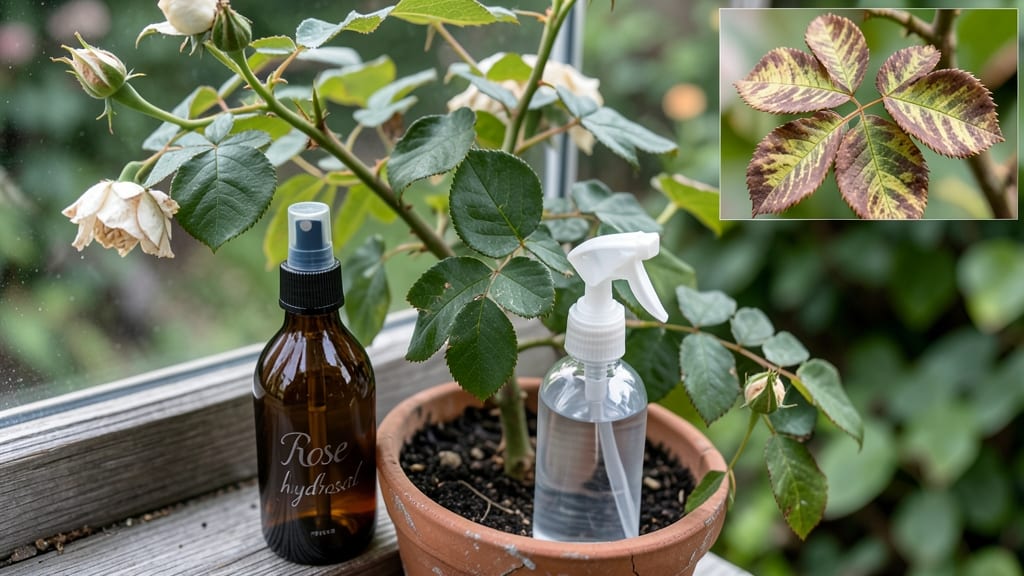
Rose water helps sunburn by calming irritation and reducing redness through its natural anti-inflammatory compounds, but it won't replace medical care for serious burns.
That's because rose water contains powerful antioxidants like quercetin and vitamin C, which work together to fight free radicals and ease discomfort. 🌸 The gentle astringent properties also help tighten skin while cooling the affected area.
For best results, I recommend mixing equal parts rose water with aloe vera gel or coconut oil—this combo enhances hydration without clogging pores. Always apply after showering when skin is slightly damp to lock in moisture.
While rose water provides relief for mild sunburn, it's important to recognize its limitations. Severe burns with blistering or fever symptoms require professional medical attention. Think of rose water as a supportive treatment rather than a cure-all—it can complement your after-sun care routine but shouldn't replace proper sun protection practices.
💡 In This Article
- How Rose Water Soothes Sunburned Skin
- Best Ways to Use Rose Water for Sunburn Relief
How rose water soothes sunburned skin
Rose water’s sunburn relief comes from its rich blend of bioactive compounds that target inflammation at a cellular level. The star players here are quercetin (a flavonoid antioxidant) and rosmarinic acid, which inhibit pro-inflammatory enzymes like cyclooxygenase (COX-2).
These compounds work by reducing prostaglandin production—the same pathway that nonsteroidal anti-inflammatory drugs (NSAIDs) target, but without the systemic side effects. 🌸 The result is visibly calmer skin within 15-30 minutes of application, as the redness begins to fade and warmth dissipates.
Scientific studies show rose water’s pH-balancing properties (typically 5.5-6.5) help restore skin’s natural barrier after UV damage. The 0.5-1% geraniol content acts as a mild anesthetic, numbing nerve endings that transmit pain signals from sunburned tissue.
This explains why many people report immediate cooling sensation—similar to how menthol works in topical analgesics, but without the tingling. The astringent effect comes from tannins (about 0.2-0.5% concentration), which gently contract skin proteins to minimize pore appearance and reduce surface-level irritation.
What makes rose water particularly effective is its dual-action mechanism: while it soothes externally, it also supports skin repair internally. The vitamin C content (approximately 10-20 mg per 100ml) stimulates collagen synthesis, which helps repair UV-damaged dermal layers.
This is why consistent use over 2-3 days shows cumulative benefits—beyond just immediate cooling. The antimicrobial properties (thanks to rose oxide) also prevent secondary infections from minor skin breaks caused by sun exposure.
For comparison, commercial aloe vera gel typically contains 0.2-0.5% aloeverose (its active anti-inflammatory compound), while rose water’s quercetin concentration can reach 0.05-0.1%—less in quantity but more balanced in action.
The key difference is rose water’s ability to penetrate deeper due to its smaller molecular structure, making it ideal for treating both superficial and slightly deeper sunburn layers without leaving a greasy residue.
However, the cooling effect isn’t permanent—rose water’s benefits last 4-6 hours before needing reapplication. This is why it works best as part of a multi-step after-sun routine rather than a standalone treatment.
The fragrance compounds (like citronellol) also provide psychological relief through aromatherapy, creating a calming sensory experience that enhances the physiological benefits.
One important caveat: rose water’s effectiveness diminishes when exposed to air for more than 24 hours due to oxidation. Always use freshly opened bottles or store in amber glass containers to preserve its active compounds.
The shelf life of unopened rose water is typically 1-2 years, but after opening, it’s best used within 3-6 months for optimal sunburn relief.