
Flowers
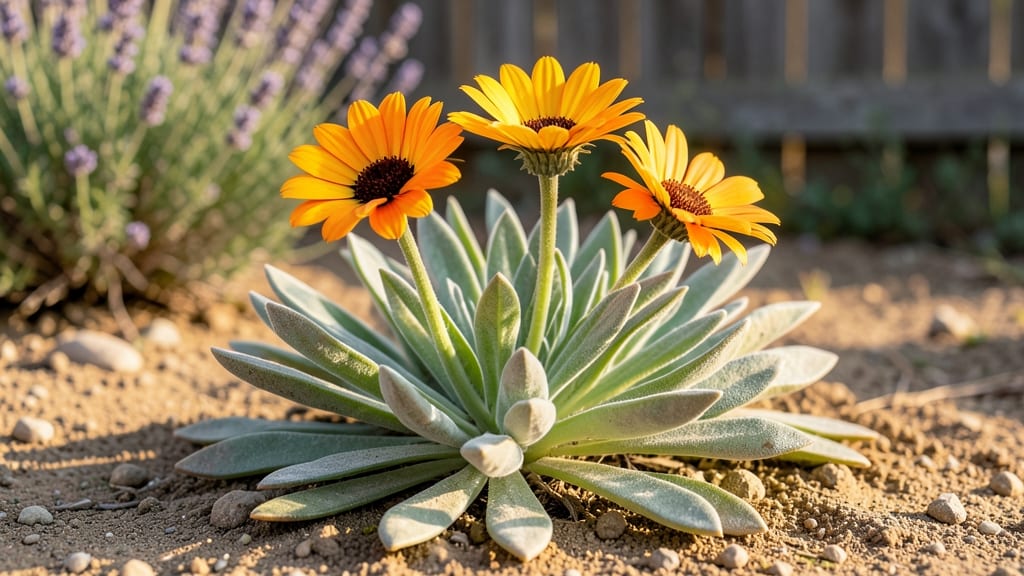
Whether gazania flowers are annual or perennial depends on your climate: they act as annuals in colder regions but thrive as perennials in USDA Zones 9-11, where they die back in winter only to regrow from their roots. Their survival hinges entirely on frost tolerance and seasonal conditions.
Gazanias are fascinating because their behavior shifts dramatically with temperature.
In frost-free zones like Southern California or Florida, their deep root systems store energy to regrow each spring, making them true perennials. 🌱 However, in colder climates where frost hits below 28°F, the plants simply can't survive winter exposure—they'll die back completely unless you take protective measures.
This explains why many gardeners treat them as annuals in northern regions, even though they're technically perennial in ideal conditions.
What's interesting is how their growth habits adapt: gazanias naturally enter dormancy when temperatures drop, but they can't withstand prolonged freezing. The key difference between annual and perennial behavior lies in whether the plant's root system survives winter to regenerate new growth.
In warmer zones, this happens automatically, while colder climates require human intervention to preserve them.
💡 In This Article
- Why Gazanias Die Back and Regrow in Warm Climates
- Extending Gazania Lifespan in Cold Regions
Why gazanias die back and regrow in warm climates
Gazanias belong to the geophyte family, meaning they store nutrients and energy in specialized underground structures—typically thick, fleshy roots rather than bulbs or tubers. These roots can swell to 2-3 times their summer size by fall, acting as natural batteries that fuel regrowth when conditions improve.
In frost-free zones like USDA 9-11, temperatures rarely drop below 30°F, allowing these roots to remain viable year-round. The plant's above-ground foliage wilts during winter's cooler months (often below 60°F), but the root system stays dormant rather than dead.
What makes gazanias unique is their frost sensitivity threshold: even light frosts (32°F) can damage foliage, while prolonged exposure below 28°F kills the entire plant. In contrast, true perennials like hostas or daylilies have hardier root systems that survive -10°F to -20°F.
Gazanias' shallow root systems (6-12 inches deep) also make them vulnerable to temperature fluctuations near the soil surface. 🌡️ This explains why they behave as annuals in colder climates—they simply can't endure winter's freeze-thaw cycles without protection.
The regrowth process begins when soil temperatures consistently stay above 55°F in spring. The root system detects warmth and begins producing new shoots within 2-4 weeks, often emerging before the last frost date.
This rapid recovery is possible because gazanias store 50-70% more carbohydrates in their roots than typical annuals, giving them a survival advantage in marginal climates.
You'll notice the first signs of regrowth as small, hairy leaves push through the soil—these are the plant's way of conserving moisture while establishing new growth.
Gazanias also employ a clever drought-adaptation strategy that supports their perennial behavior in warm climates. Their leaves have a waxy coating that reduces water loss by up to 30% compared to non-succulent plants, while their roots grow deeper during wet seasons to store moisture.
This dual adaptation explains why they thrive in Mediterranean climates where summers are hot and dry but winters are mild—a perfect match for their natural dormancy cycle.
The key takeaway is that gazanias aren't true perennials in the traditional sense; they're more accurately described as "frost-sensitive perennials" that rely on climate conditions to determine their lifespan behavior.
Consider this comparison: In Phoenix (Zone 9b), gazanias will naturally die back in winter but regrow from roots each spring, while in Chicago (Zone 5), the same plant would freeze to death without protection. The difference lies entirely in whether the plant's root system can survive the winter's lowest temperatures.
This frost sensitivity is what forces gardeners in colder zones to treat gazanias as annuals, even though their biological classification as perennials remains unchanged. 🌿
What most gardeners overlook is how gazanias' flowering cycle aligns with their dormancy pattern. In warm climates, they typically bloom from late spring through fall, then enter dormancy as days shorten and temperatures drop.
The plant's internal clock (photoperiodism) triggers this shutdown when daylight falls below 12 hours, ensuring energy conservation. This synchronized cycle explains why gazanias often appear to "disappear" in winter—they're not dead, just conserving resources until conditions improve.