
Flowers
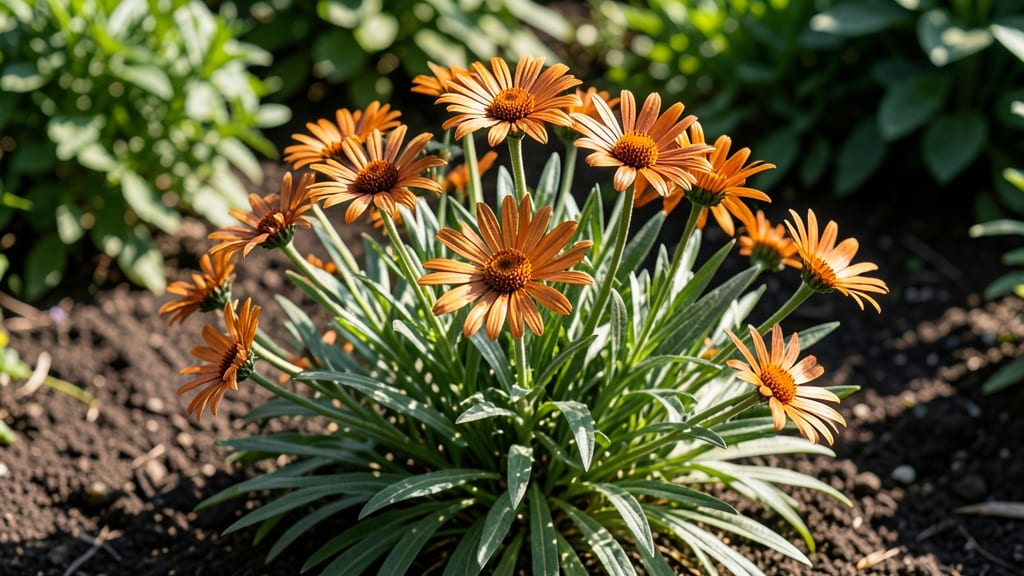
Straw flowers are annual or perennial depending on the climate—most die back after one season but self-seed prolifically, while others act as tender perennials in frost-free regions.
This behavior stems from straw flowers' sensitivity to frost—they can't survive freezing temperatures, which forces them to complete their life cycle each year in colder zones. 🌱 In warmer climates (like USDA zones 9-11), their roots often persist through mild winters, allowing them to regrow as perennials.
The key difference lies in how quickly they mature: annual varieties focus all energy on flowering and seeding within a single season, while perennial types spread their growth over multiple years.
What's fascinating is how their self-seeding habit works—when you let the flowers go to seed, they scatter tiny black seeds that can lie dormant for years until conditions are right. This natural propagation means you might not need to replant at all if you're in a suitable climate.
I've seen straw flowers pop up reliably for years in my zone 10 garden, proving they're far more resilient than their "annual" label suggests.
💡 In This Article
- Why Straw Flowers Act Like Annuals in Cold Climates
- How to Extend Straw Flowers’ Lifespan Through Self-Seeding
Why straw flowers act like annuals in cold climates
Straw flowers (Helichrysum bracteatum) behave as annuals in colder regions because their delicate root systems can't withstand freezing temperatures. When nighttime temps drop below 32°F, their roots blacken and die, cutting off the plant's ability to regrow.
This frost sensitivity is hardwired into their genetics—originating from Australia's Mediterranean climate where they evolved to thrive in warm, dry summers but avoid winter chills.
The key trigger is photoperiod—the plants detect shortening daylight in autumn and accelerate their life cycle. In USDA zones 3-8, this means they focus all energy on producing flowers and seeds within 100-120 days of planting, rather than storing resources for winter.
Their stems become woody and brittle as they prepare for seed dispersal, a clear sign they're completing their annual cycle. 🌡️
What's surprising is how their growth habit differs from true perennials. While perennials like lavender develop deep taproots that store nutrients, straw flowers produce shallow, fibrous roots that prioritize quick flowering over winter survival.
This explains why they often flop over in late summer—they're not built for structural longevity, just reproductive success.
In frost-free zones (9-11), the same plants behave differently. Their roots persist through mild winters because they never experience freezing stress. The plants may slow growth but don't die back completely, allowing them to regrow from the same root system each spring.
This dual behavior highlights how climate dictates their entire life strategy.
Here's the botanical secret: straw flowers use a survival tactic called "thermoperiodism"—they time their growth cycles based on temperature fluctuations rather than just daylight. In cold climates, they treat every year as a new beginning, while in warm zones, they stretch their lifecycle like a true perennial.
This adaptability is why they're such reliable garden performers when given the right conditions.
The color variation in straw flowers—from golden yellow to deep red—actually correlates with their frost tolerance. Darker varieties often handle slightly cooler temperatures better because their pigmentation helps absorb more heat, giving them a tiny survival advantage in marginal climates. 🌿