
Planting
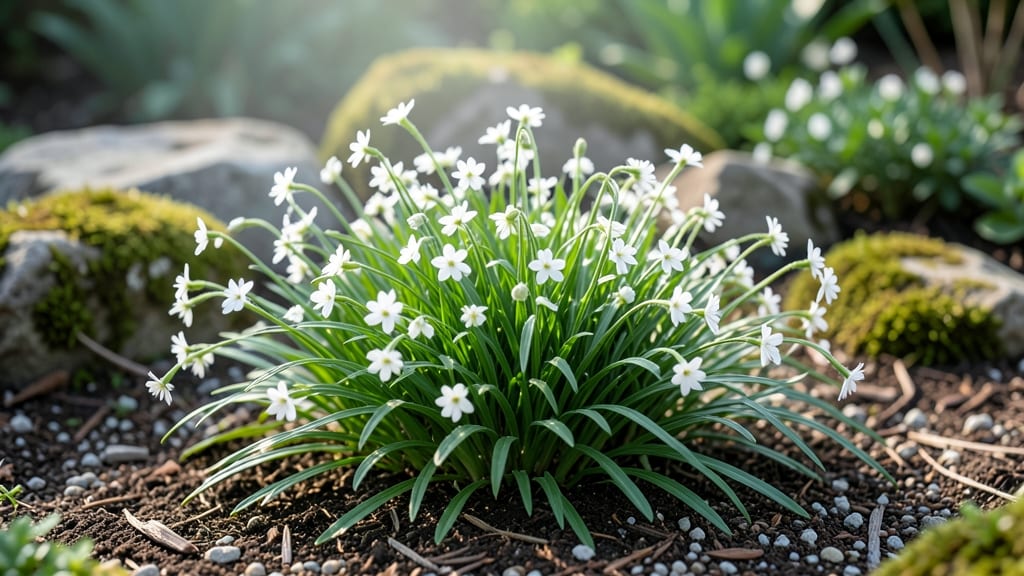
Your garden just got a cold-hardy showstopper—the gooseneck perennial plant that arches like a swan’s neck and blooms from spring until frost. 🌸 I’ve grown these for years, and they’re the secret weapon for year-round color that thrives even when other perennials give up.
The key? Understanding their quirks before planting.
Start with well-draining soil mixed with compost—they hate soggy roots but love nutrients. Plant in full sun to partial shade (morning sun protects delicate blooms in hot climates), and water deeply once a week once established.
Their signature arching stems need light pruning after blooming to encourage reblooms, but don’t cut too late—you’ll sacrifice next season’s flowers.
By mid-summer, you’ll see clusters of vibrant blooms cascading from those graceful stems, and they’ll keep going until frost. The best part? They’re drought-tolerant once established and bounce back from winter like nothing happened. Just watch for powdery mildew in humid summers—spraying with neem oil early prevents it.
Perfect for border edges, trellises, or containers—they add drama without the fuss. Want them to spread? Divide clumps every 3-4 years in early spring. Here’s how to keep them thriving all season long.
📚 In This Guide
- What you need
- Instructions
- Tips and common mistakes
- Wrapping up and next steps
What you need
- ● Gooseneck perennial plants: Choose cold-hardy varieties like Physostegia virginiana (Obedient Plant) or Lobelia cardinalis (Cardinal Flower). Buy 3–5 mature plants (or seeds if starting from scratch).
- ○ Well-draining soil: Mix 2 parts garden soil + 1 part compost (optional: add perlite for aeration).
- ● Organic mulch: 2–3 inches of shredded bark or straw to retain moisture and regulate temperature.
- ● Slow-release fertilizer: 10-10-10 NPK ratio (apply lightly at planting and mid-season).
- ● Garden trowel (for digging small holes).
- ● Pruning shears (for trimming dead foliage or shaping plants).
- ● Garden gloves (to protect your hands from thorns or rough stems).
- ● Watering can or hose with a gentle spray nozzle (avoid overwatering!).
- ● Measuring tape or ruler (to space plants 12–18 inches apart).
- ● Plant markers (to label varieties if testing multiple types).
- ● Epsom salt (for magnesium boost—mix 1 tbsp per gallon of water monthly).
- ● Frost cloth (for young plants in USDA Zones 3–5 during late fall/winter).
- ● Companion plants like Coneflower or Black-Eyed Susan to attract pollinators and fill gaps.
Step-by-step guide to planting and maintaining gooseneck perennials
Here's how I ensure these striking plants thrive through every season—no green thumb required.
🌱 Step 1: Select and Prepare the Planting Site
Gooseneck perennials—like Physostegia virginiana or Agastache—thrive in well-draining soil with 4-6 hours of sunlight daily. I always test soil pH first (aim for 6.0-7.0) because these plants wilt quickly in alkaline conditions. Amend heavy clay with 2-3 inches of compost mixed into the top 12 inches of soil.
Choose a location with partial shade in hot climates—morning sun and afternoon shade prevent leaf scorch. If your yard has full sun exposure, plant near a deciduous tree or shrub that provides shade in summer. Mark the planting area with stakes to avoid disturbing roots later.
🪴 Step 2: Plant with Proper Spacing and Mulch
Dig holes twice as wide as the root ball but only as deep as the container. Gently remove the plant, loosen tangled roots, and place it so the top of the root ball sits level with the soil surface. Gooseneck perennials need 18-24 inches of space between plants—crowding leads to weak stems and fewer blooms.
Backfill with native soil mixed with 1 part compost, tamping lightly to eliminate air pockets. Water deeply until moisture reaches 6 inches down. Top with 2-3 inches of organic mulch (like shredded bark) to retain moisture and suppress weeds. Avoid piling mulch against stems—keep it 2 inches away to prevent rot.
☀️ Step 3: Water and Fertilize for Reblooming
Water deeply once a week during the first growing season, aiming for 1 inch of moisture per week. You’ll know it’s right when the top 2 inches of soil feel damp but not soggy. Overwatering causes root rot, especially in winter when growth slows. In zones 5-7, reduce watering in late fall to prepare for dormancy.
Feed with a balanced 10-10-10 fertilizer in early spring and again after the first flush of blooms. For extended color, switch to a low-nitrogen, high-phosphorus formula (like 5-10-10) to encourage more flowers. I deadhead spent blooms every 2 weeks—this triggers reblooming and keeps plants tidy.
✂️ Step 4: Prune for Winter Hardiness and Spring Growth
After the first hard frost, cut back stems to 6 inches tall using clean, sharp pruners. This prevents disease and makes the plant easier to cover for winter. In zones 3-4, mound 4-6 inches of mulch around the base to insulate roots. Remove mulch in early spring to avoid smothering new shoots.
In late winter, trim back any dead or damaged stems but leave healthy growth intact. Gooseneck perennials often send up new shoots from the base—never cut these, as they’re the plant’s energy reserves for the next season. Watch for new growth in early spring (usually late March-April in most climates).
🌿 Step 5: Monitor for Pests and Adjust Care Seasonally
Japanese beetles and spider mites are the biggest threats—spray plants with neem oil at the first sign of damage. I also rotate mulch annually to prevent fungal buildup. If leaves yellow in summer, it’s usually overwatering or poor drainage—adjust your schedule to water only when the top 2 inches of soil are dry.
In late summer, reduce fertilizer to encourage woody stem development, which improves cold hardiness. By October, stop fertilizing entirely to let the plant harden off. If your winters are extremely cold (below 0°F), add a lightweight frost blanket over the crown for extra protection.
Tips & tricks for perfect gooseneck perennial plant care
These practical insights will help you avoid common pitfalls and maximize your gooseneck perennials' stunning reblooming potential.
Soil Preparation Secret: The 2-3 inches of compost mixed into the top 12 inches of soil isn't just about nutrients—it's about creating the perfect air-to-water ratio. I like to add a handful of perlite to heavy clay soils to prevent compaction. This ensures roots get both oxygen and moisture without becoming waterlogged, which is especially critical during the first growing season when roots are establishing themselves.
Sunlight Strategy: That 4-6 hours of sunlight recommendation is a minimum, not a maximum. In cooler climates (zones 3-4), you can push this to 6-8 hours without risking leaf scorch. The key is morning sun exposure—afternoon shade becomes more important as temperatures rise above 85°F. I've found that planting near a deciduous tree provides perfect shade conditions without competing for nutrients.
Watering Wisdom: The "1 inch per week" guideline assumes average rainfall and well-draining soil. In sandy soils, you may need to water twice weekly to maintain that 6-inch moisture depth, while clay soils might only need watering every 10 days. I test moisture by sticking my finger 2 inches down—if it feels dry, it's time to water. Overwatering in winter is the #1 cause of root rot in these perennials.
Pruning Precision: When cutting back stems to 6 inches after the first frost, make clean cuts at a 45-degree angle just above a leaf node. This prevents water from pooling on the cut surface, which can lead to fungal infections. I always sterilize my pruners with rubbing alcohol between cuts, especially when dealing with multiple plants. The goal is to remove dead growth while preserving the plant's energy reserves for next season.
Pro Tips for Gooseneck Perennial Plant
- These practical insights will help you avoid common pitfalls and maximize your gooseneck perennials' stunning reblooming potential.
- Soil Preparation Secret: The 2-3 inches of compost mixed into the top 12 inches of soil isn't just about nutrients—it's about creating the perfect air-to-water ratio.
- Sunlight Strategy: That 4-6 hours of sunlight recommendation is a minimum, not a maximum.
Frequently asked questions
Got questions about gooseneck perennials? You’re not alone!
Whether you're a newbie gardener or a seasoned pro, these cold-hardy beauties can raise a few curiosities. Below, we tackle the most common queries to help you grow the best gooseneck perennials with confidence.
How cold can gooseneck perennials tolerate?
Most gooseneck perennials, like Physostegia virginiana (Obedient Plant) or Lobelia cardinalis (Cardinal Flower), thrive in USDA zones 3–9. They handle light frosts and even survive winter dormancy in colder climates. Just ensure they’re planted in well-draining soil to prevent root rot. Pro tip: Mulch with 2–3 inches of organic matter in late fall for extra protection!
When is the best time to plant gooseneck perennials for reblooming?
For year-round color, plant in early spring (after the last frost) or early fall (6–8 weeks before your first frost). Spring planting gives roots time to establish before summer heat, while fall planting leverages cooler temps for root growth. Avoid planting in extreme heat—transplant shock can stress young plants.
Why isn’t my gooseneck perennial reblooming like it should?
Reblooming can fizzle due to three common culprits:
- Deadheading delays: Snip spent blooms regularly to encourage new flowers.
- Poor nutrition: Feed with a balanced fertilizer (10-10-10) in early spring and mid-summer.
- Overcrowding: Thin plants if they’re too dense—they need air circulation to thrive.
If the issue persists, check for pests (like aphids) or disease (e.g., powdery mildew).
What are some low-maintenance alternatives to gooseneck perennials?
If gooseneck perennials seem high-maintenance, try these reblooming, cold-hardy picks:
- Coneflower (Echinacea) – Drought-tolerant and pollinator-friendly.
- Black-eyed Susan (Rudbeckia) – Thrives in poor soil and spreads easily.
- Russian Sage (Perovskia) – Drought-resistant with silvery foliage.
- Daylily (Hemerocallis) – Nearly indestructible and reblooms prolifically.
All are perennial and low-fuss once established!
How do I prevent gooseneck perennials from flopping over?
Floppy stems are a common complaint! To keep them upright:
- Stake them early: Use soft ties or cage supports as they grow.
- Prune strategically: Trim back 1/3 of the plant after the first bloom to encourage bushier growth.
- Choose the right spot: Plant in partial shade (especially in hot climates) to reduce stress.
For Lobelia, which tends to trail, let it spill over containers or edges for a natural look.
Wrapping up and next steps
Transforming your garden into a year-round canvas of color with gooseneck perennials isn’t just possible—it’s easier than you think! These cold-hardy beauties thrive with minimal fuss, offering reblooming magic that keeps your outdoor space vibrant from spring to frost.
Whether you’re a seasoned gardener or just starting, their resilience and adaptability make them a must-have for effortless elegance.
Ready to level up your garden game? Start small—try planting just one variety this season, then expand as you fall in love with their charm. Grab your gloves, pick a sunny spot, and let nature do the rest! 🌸