
Companion Plants
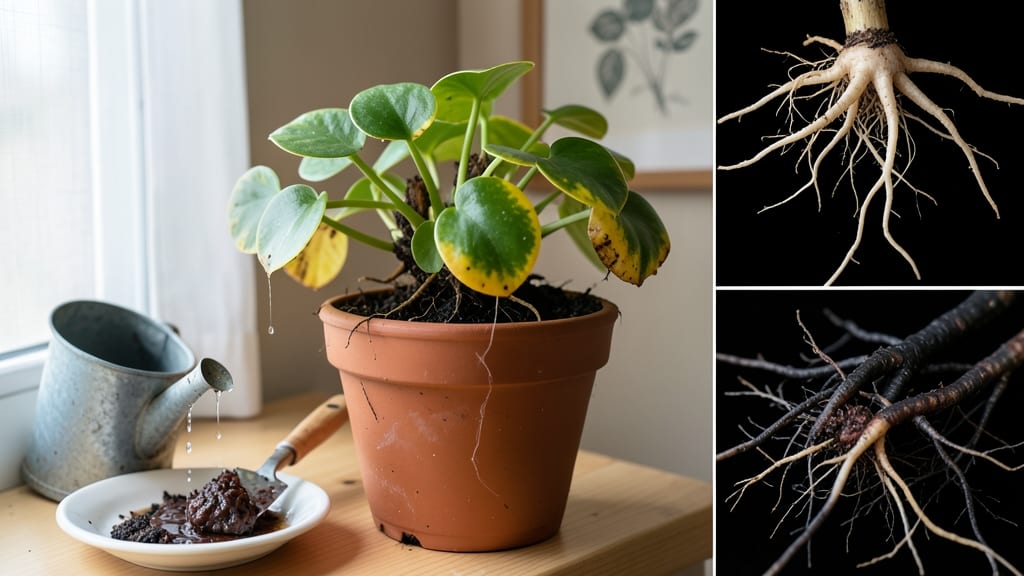
To know if you overwatered a plant, look for yellowing leaves, soft stems, or foul-smelling soil. Roots may turn black and mushy, and the pot often feels unusually heavy. Pause watering immediately, let the soil dry completely, and consider repotting in fresh, well-draining mix.
Overwatering creates a suffocating environment for roots by blocking oxygen, which triggers rot and fungal growth. 🌱 The first signs—yellowing leaves or drooping stems—often appear within days, but the damage can escalate quickly if ignored.
I’ve seen houseplants like ferns and calatheas suffer most from this, as they’re particularly sensitive to soggy soil. The key is acting fast: move the plant to a dry spot, trim any mushy roots, and use a moisture meter to track soil recovery before watering again.
For container plants, the weight of the pot is a dead giveaway—excess water makes it feel heavier than usual. If you notice mold or a sour smell, that’s a clear warning. 💫 The good news?
Most plants bounce back with proper care. Just remember: when in doubt, let the top inch of soil dry out completely before watering again.
💡 In This Article
- How Overwatering Damages Plant Roots and Leaves
- Step-by-Step Recovery Guide for Overwatered Plants
How overwatering damages plant roots and leaves
When soil stays too wet for extended periods, roots suffocate because water displaces the oxygen they need to breathe. Think of it like drowning—roots can’t absorb nutrients or release toxins without oxygen, leading to cellular damage.
This process starts within 24-48 hours of overwatering, and the damage becomes irreversible after 3-5 days of saturation. 🌱 The roots turn black or brown as they rot, and the plant loses its ability to anchor itself, causing stems to weaken visibly.
Excess moisture also creates the perfect breeding ground for harmful fungi and bacteria. Pathogens like Phytophthora and Pythium thrive in waterlogged soil, attacking roots and spreading upward. You’ll often notice a foul, sour smell from the soil—this is a clear sign of microbial overgrowth.
The plant’s immune system weakens, making it more vulnerable to pests. Even worse, overwatering leaches essential nutrients like nitrogen and potassium from the soil, starving the plant when it needs them most.
Above-ground symptoms appear next as the plant struggles to transport water and nutrients. Leaves yellow first because chlorophyll breaks down when roots can’t supply sufficient water—a condition called chlorosis.
The yellowing often starts on older leaves and spreads inward. 💫 In severe cases, leaves may develop brown, crispy edges or drop entirely. The plant’s wilting isn’t from thirst but from its inability to process water efficiently, a classic sign of root stress.
Photosynthesis gets disrupted too. When roots can’t absorb water, the plant closes its stomata (pores) to conserve moisture, trapping gases inside leaves. This creates a suffocating effect, leading to further leaf damage. The plant may also produce fewer flowers or fruit as it diverts energy to survival rather than growth.
For example, a monstera deliciosa might drop its iconic split leaves, while a peperomia could develop black, mushy stems within days of overwatering.
One often-overlooked factor is temperature. Cooler environments slow root respiration, making plants more sensitive to overwatering. That’s why many houseplants struggle in winter—even with less light, they still need well-draining soil. 🌿 The solution? Always check soil moisture with your finger before watering.
If the top 1-2 inches feel damp, wait another day. For container plants, lift the pot: if it feels significantly heavier than usual, that’s your warning sign.
Here’s what’s happening at the cellular level: Overwatered roots can’t pump water upward through the xylem vessels, causing a backup that leads to cell death. This is why stems feel soft or spongy to the touch—a sure sign of internal rot.
The plant’s vascular system essentially clogs, preventing it from distributing water and nutrients where they’re needed.