
How To
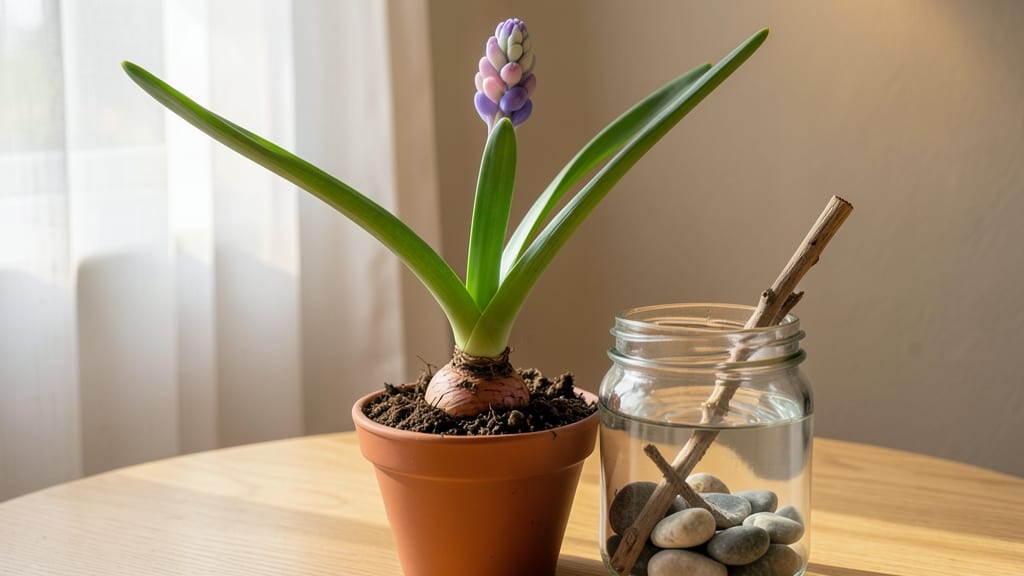
How to successfully grow hyacinth bulbs in water (step-by-step guide)
Growing hyacinth bulbs in water is a magical way to bring spring indoors early. Unlike traditional soil planting, this method lets you watch roots grow and blooms emerge in just 8 weeks with minimal effort.
The key is selecting the right bulbs and creating the perfect water environment to mimic natural forcing conditions.
I’ve forced dozens of hyacinths this way, and the secret lies in the details: using cool water, maintaining consistent moisture, and providing bright indirect light. Even beginners can achieve stunning results with these simple steps—no green thumb required!
Step-by-Step Guide to Growing Hyacinths in Water
- 1 Select firm, plump bulbs (size 12-14cm) from a reputable supplier. Avoid any with soft spots or mold.
- 2 Choose a clear glass container (like a vase) or pebble tray with 2-3 inches of water at the bottom.
- 3 Place 1-2 bulbs in the container with their bottoms submerged but necks above water. Use pebbles to secure them if needed.
- 4 Add cool water (60-65°F) and place in a dark, cool spot (like a closet) for 4-6 weeks to encourage root growth.
- 5 After roots reach 2 inches, move to a bright, sunny window (east or west-facing) for 6+ hours of light daily.
- 6 Keep water 1 inch below bulb base and change weekly. Avoid overcrowding—each bulb needs its own space.
- 7 Watch for green shoots (after 2-3 weeks in light). Once buds form, expect blooms in 4-6 weeks from lighting!
- 8 Enjoy fragrant blooms for 1-2 weeks! After flowers fade, let the bulb rest in water for 6-8 weeks before replanting outdoors.
One of my favorite moments is seeing the first green shoots poke through the bulb’s base—it’s like watching a tiny miracle unfold. The 8-week timeline might seem long, but breaking it into stages (rooting, shooting, blooming) makes it manageable.
Pro tip: Use a thermometer to keep water between 60-65°F—too warm speeds up growth and weakens stems.
If you notice mold or weak stems, act fast. Change the water immediately and rinse the bulb gently. I’ve also found that adding activated charcoal to the water prevents algae and keeps it fresh longer. The goal is to create a clean, oxygen-rich environment for your bulbs.
Don’t be discouraged if your first attempt doesn’t bloom perfectly. Even experienced gardeners sometimes face pale flowers
Best containers and water solutions for forcing hyacinth bulbs indoors
Forcing hyacinth bulbs in water is all about choosing the right container and water quality to encourage strong roots and vibrant blooms. The container you select will determine how well your bulbs stay hydrated and stable while growing.
I’ve found that glass jars and pebble trays work best for beginners, while decorative pots add a stylish touch to your windowsill garden.
Your water choice isn’t just about filling a glass—it’s about creating the ideal environment for your bulbs. Distilled or rainwater prevents mineral buildup that can harm delicate roots, while tap water may work if treated with a pinch of activated charcoal to keep it fresh.
Avoid chlorinated water unless you let it sit out for 24 hours first.
| Container Type | Pros | Cons | Best For |
|---|---|---|---|
| Glass Jars (Mason or Vase) | Clear visibility of roots, easy water changes, stylish display | Requires frequent water checks, limited bulb capacity | Beginners, small spaces |
| Pebble Trays (Forcing Pots) | Excellent drainage, stable base, holds multiple bulbs | Requires pebbles, less decorative | Large batches, serious growers |
| Decorative Pots (Ceramic/Plastic) | Aesthetic appeal, customizable sizes, hidden water system | Harder to monitor water levels, may need drainage holes | Home decor lovers, gifts |
| Water Type | Pros | Cons | Best For |
|---|---|---|---|
| Distilled/Rainwater | No minerals, prevents root damage, long-lasting freshness | Harder to find, may require collection | Best results, sensitive bulbs |
| Tap Water (Chlorine-Free) | Convenient, widely available | Chlorine risk, mineral buildup over time | Quick setups, short-term growth |
| Tap Water + Charcoal | Removes chlorine, keeps water fresh longer | Requires maintenance, charcoal needs replacing | Long-term forcing, tap water users |
When it comes to water additives, I’ve had the most success with a pinch of activated charcoal or a bulb-specific fertilizer diluted to half-strength. These additives help prevent bacterial growth and provide gentle nutrients. Just avoid overdoing it—hyacinth bulbs don’t need heavy feeding when grown in water.
For longer-lasting blooms, I recommend changing the water every 5-7 days and keeping your containers in a spot with bright indirect light. This simple routine prevents stagnation and keeps your hyacinths thriving until they’re ready to bloom.
The key is consistency—just like my morning coffee, these bulbs love routine!
If you’re forcing multiple bulbs, a pebble tray is my top recommendation. It allows you to monitor each bulb individually while keeping them stable. Plus, the pebbles help oxygenate the water, which is crucial for root health.
For a single bulb, a glass vase adds elegance to your windowsill while making it easy to check water levels.
Remember, the smaller the container, the faster you’ll need to refresh the water. A crowded setup can lead to mold or