
Watering
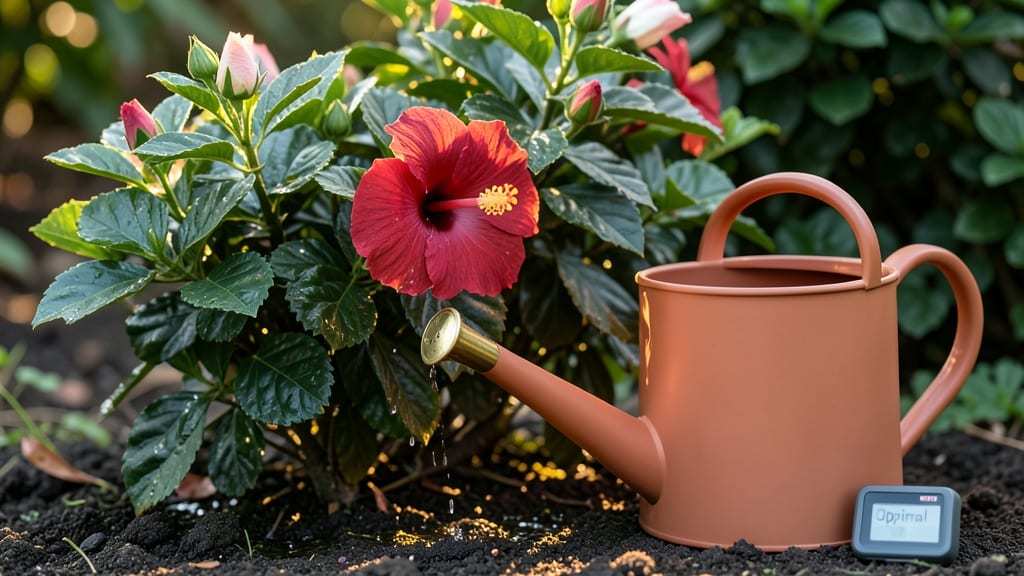
Your hibiscus water requirements are all about balance—too much and you risk root rot, too little and those stunning 🌸 blooms won’t appear.
Struggling to keep your hibiscus thriving with too much water or not enough? The right watering schedule is the secret to vibrant blooms—and avoiding deadly root rot.
In Zone 6a, where spring planting kicks off in April, hibiscus plants need 1-2 gallons of water every 3-5 days—but that changes with the seasons. Summer demands daily checks, while winter slows things down to once a week.
Below, I’ll break down the exact schedule by season, how to spot overwatering vs. underwatering, and pro tips for soil, mulch, and drainage that keep your hibiscus happy year-round.
Hibiscus watering schedule by season: how often to water for maximum blooms
Hibiscus plants are thirsty bloomers, but getting their watering schedule wrong can mean wilting leaves or worse—root rot. The key is adjusting your watering routine with the seasons and your plant's soil moisture needs.
Too much or too little water stresses hibiscus, so let's break it down by season to keep your plant flourishing year-round.
In spring, hibiscus wakes up from dormancy and needs consistent moisture to fuel new growth. Summer brings intense heat, demanding frequent watering, while fall slows things down.
Winter care shifts to minimal watering to protect roots. Each season has its own rhythm—master these, and you'll see bold, vibrant blooms all year.
| Season | Watering Frequency | Soil Moisture Goal | Water Amount | Best Time to Water |
|---|---|---|---|---|
| Spring | Every 3-4 days | Top 1-2 inches dry | 1-1.5 gallons | Morning (6-9 AM) |
| Summer | Daily or every 2 days | Top 1-2 inches dry | 1.5-2 gallons | Early morning (5-8 AM) |
| Fall | Every 4-5 days | Top 2 inches dry | 1 gallon | Morning (7-10 AM) |
| Winter | Every 7-10 days | Top 3 inches dry | 0.5-1 gallon | Mid-morning (9-11 AM) |
During spring, hibiscus plants need regular watering to establish roots and support new growth. Stick to every 3-4 days, but always check the soil moisture first.
Stick your finger 1-2 inches deep—if it feels dry, it's time to water. Morning watering is best to prevent fungal diseases from evening moisture.
Summer is the most demanding season for hibiscus. With high temperatures and intense sunlight, your plant may need water daily or every 2 days. Always water deeply—1.5-2 gallons per plant—to encourage strong root development. Early morning watering reduces evaporation and keeps leaves dry for longer.
As fall temperatures drop, hibiscus slows down, and so should your watering. Reduce to every 4-5 days and watch for yellowing leaves, a sign of overwatering. Mulch around the base helps retain moisture while protecting roots from cool evening air.
Winter care is minimal but critical. Hibiscus enters dormancy, and overwatering is the biggest risk. Water every 7-10 days and only when the top 3 inches of soil are completely dry. Avoid soggy soil, which can lead to root rot during the cooler months.
Container-grown hibiscus dry out faster than in-ground plants. Check soil moisture daily in summer and adjust watering accordingly. Terracotta pots dry out quicker than plastic, so monitor closely. If the soil feels bone-dry within an inch, water immediately—never let hibiscus wilt.
For in-ground hibiscus, focus on deep watering rather than frequent shallow watering. This encourages roots to grow deeper, making your plant more resilient during dry spells. Use a soil moisture meter for accuracy, especially in clay-heavy soil, which holds moisture longer.
Always water at the base of the plant, avoiding leaves to prevent fungal diseases. Use a slow watering can or drip irrigation for even distribution. Mulch with 2-3 inches of organic material to lock in moisture and regulate soil temperature—this is a game-changer for hibiscus care.
Watch your hibiscus bloom response to adjust your schedule. Healthy, vibrant blooms mean you're on
Signs of overwatering vs underwatering hibiscus: how to fix common mistakes
Your hibiscus plant might look vibrant on the surface, but watering mistakes can silently kill it. Overwatering causes root rot, while underwatering leads to wilting leaves and stunted growth.
Both issues share similar symptoms—so how do you tell them apart? Let’s break down the visual clues and quick fixes to save your hibiscus blooms.
First, check the soil moisture by sticking your finger 1-2 inches deep. If it’s soggy, you’re overwatering. If it’s bone-dry, you’re underwatering. But since hibiscus loves consistent moisture, even slight dehydration stresses the plant.
Look for yellowing leaves or drooping stems—both can signal trouble, but their location and texture tell the real story.
🌸 Hibiscus Watering: Overwatering vs Underwatering
- Soft, mushy stems
- Yellowing leaves with brown edges
- Foul-smelling soil
- Slow wilting, then collapse
- Crispy, brown leaf edges
- Wilting that recovers at night
- Dry, cracked soil
- Slow growth, no blooms
Fix:
- Stop watering immediately
- Repot in fresh, well-draining soil
- Trim dead roots
- Water only when top 1-2 inches are dry
Fix:
- Water deeply until it drains from the bottom
- Mulch to retain moisture
- Water in the morning only
- Increase humidity with pebble trays
If your hibiscus shows yellow leaves with brown edges, it’s likely underwatered. These leaves feel crispy to the touch and may fall off easily. On the other hand, overwatered hibiscus leaves turn yellow but stay soft and mushy.
The real giveaway? Overwatered plants often have a musty smell when you lift the pot or dig into the soil.
For underwatered hibiscus, give it a deep watering—soak the soil until water runs out the drainage holes. Then, mulch around the base to lock in moisture.
If the plant is severely dehydrated, place it in a shallow tray of water for 10-15 minutes to revive the roots. Morning watering is key to prevent fungal diseases while keeping roots hydrated.
Overwatered hibiscus needs urgent action. First, remove it from its pot and inspect the roots. Healthy roots are white or light brown, while rotten roots are black, mushy, and smell foul. Trim away the bad roots with sterilized scissors, then repot in a mix of well-draining soil and perlite.
Water sparingly for a week to let the roots recover before resuming your normal schedule.
Prevent future mistakes by adjusting your watering habits. Hibiscus in containers need water every 2-3 days in summer, while in-ground plants thrive on water every 4-5 days.
Always check the soil before watering—if it’s still damp, wait another day. With the right balance, your hibiscus will reward you with bold blooms all season long!