
Watering
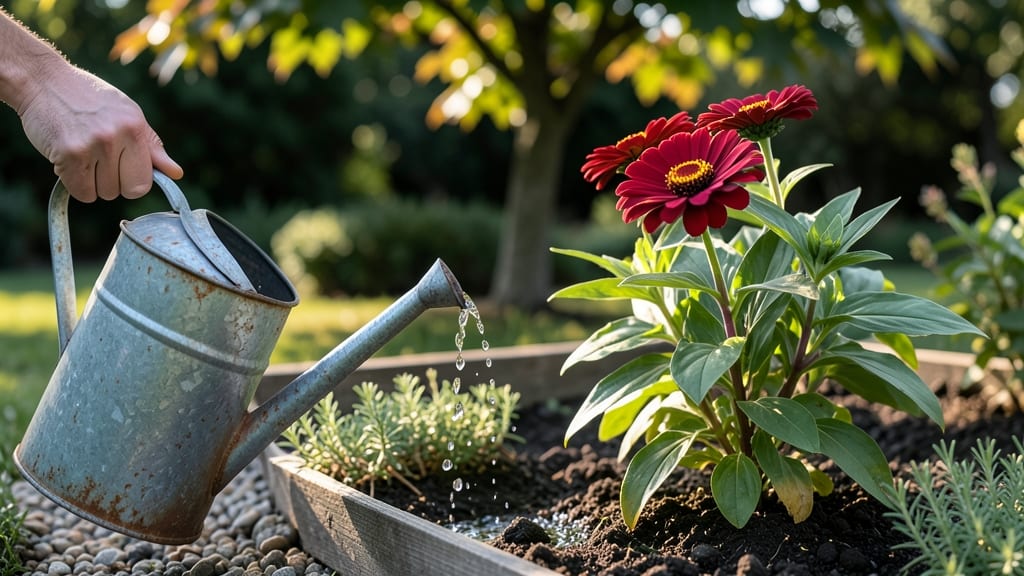
Your zinnias thrive when you meet their zinnia water requirements: about 1 inch of water per week to keep blooming all season long 🌼 — but timing and technique make all the difference between healthy plants and sad, wilted stems.
Struggling to keep your zinnias thriving? Overwatering or underwatering can turn vibrant blooms into wilted disappointment—here’s the science-backed watering strategy that guarantees lush, long-lasting flowers.
Most gardeners guess at watering, but zinnias actually thrive when you let the top 1 inch of soil dry out between waterings. This simple rule prevents root rot while keeping the soil moist enough for those bold, colorful blooms you love.
In this guide, I’ll break down the exact watering schedule for seedlings, mature plants, and container-grown zinnias, plus how to adjust for drought, heatwaves, and even rainy seasons—so you can enjoy nonstop blooms from June to October.
The 1-Inch dry soil test: the golden rule for zinnia watering
If you’ve ever watched your zinnias droop midday or struggle to produce those vibrant blooms you planted for, chances are your watering routine is off. The secret to keeping zinnias thriving isn’t about rigid schedules—it’s about reading your soil.
I’ve perfected the 1-inch dry soil test over years of growing zinnias, and it’s the difference between wilted stems and long-lasting flowers that last all summer.
Zinnias are drought-tolerant once established, but they still need consistent moisture to develop strong roots and produce abundant blooms. The key is balancing water without overdoing it—too much leads to root rot, while too little causes wilting.
This method ensures your zinnias get just the right amount, every time, without guesswork. Let’s break it down so you can apply it confidently in your garden.
Why the 1-inch rule works: Zinnia roots typically grow 12-18 inches deep, but the top 1 inch of soil is where moisture matters most for young roots. When this layer dries, it’s your cue to water. This approach prevents shallow watering, which stresses plants, and avoids soggy soil that invites diseases like powdery mildew or black spot.
🌱 Zinnia Watering Golden Rule
Water zinnias when the top 1 inch of soil feels dry to the touch.
When to water: Morning (6-9 AM)
How much: 1 inch of water per session
Adjust for: Heatwaves (water daily)
Here’s how to perform the test without damaging delicate zinnia roots. First, choose a spot near your plant (but not directly at the stem) to avoid disturbing the root zone. Use your finger or a soil probe to check the moisture level.
If the soil feels dry and crumbly, it’s time to water. For container-grown zinnias, lift the pot—if it’s lightweight, the soil is dry enough.
Seasonal adjustments are critical for zinnias. In spring and fall, when temperatures are mild, you’ll likely water every 3-5 days. But during summer heatwaves (especially in USDA Zone 6a), zinnias may need watering daily to prevent wilting.
I’ve seen zinnias in my garden survive 90°F+ days with daily watering, but they’ll still produce fewer blooms if stressed.
One common mistake is watering zinnias from overhead, which can lead to fungal diseases. Instead, water at the base of the plant using a drip irrigation system or soaker hose. This ensures water reaches the roots where it’s needed most.
I’ve switched to drip irrigation for my zinnias, and the difference in bloom health is noticeable—fewer spots on leaves and more vibrant petals.
For container-grown zinnias, the 1-inch rule still applies, but you’ll need to water more frequently because pots dry out faster. Check the soil daily in extreme heat, and always water until you see moisture seeping from the drainage holes.
Over time, you’ll learn your containers’ unique drying patterns—my 10-gallon pots need watering every 2-3 days in summer, while larger raised beds can go 4-5 days between waterings.
Signs you’re overwatering zinnias include yellowing leaves, mushy stems, or white mold on the soil surface. If you notice these, reduce watering immediately and improve drainage by adding perlite or compost to the soil.
Underwatering shows up as drooping leaves that don’t perk up after watering or crispy edges on foliage. Adjust your schedule and monitor soil moisture more closely.
To maximize bloom production, pair this watering method with deadheading spent flowers. I remove faded blooms every 2-3 days in peak season, which encourages zinnias to produce new flowers continuously.
Combined with the 1-inch dry soil test, this simple routine keeps my zinnias flowering from June through October without fail.
Remember, zinnias are forgiving plants once they’re established. If you miss a watering day or two, they’ll bounce back—just don’t let them go longer than 5-7 days without water in extreme heat.
With this method, you’ll enjoy healthy, vibrant zinnias all season long, with minimal effort and maximum impact. Happy gardening!
Zinnia watering schedule by growth stage: seedlings vs. mature plants
Zinnias are drought-tolerant once established, but their water needs change dramatically from seedling to mature plant. Understanding these shifts prevents wilting or root rot while maximizing bloom production. The key? Adjusting frequency, depth, and timing based on their growth phase.
Seedlings require consistent moisture to develop strong roots, while mature plants thrive with deep, infrequent watering. Heatwaves and drought conditions demand extra attention—especially during peak flowering when plants need more hydration to support heavy blooms.
During seedling stages, zinnias need frequent watering to prevent soil crusting and ensure root establishment. Use a spray bottle or gentle watering can to avoid disturbing delicate seedlings. Once they reach 2 inches tall, gradually reduce frequency but increase depth to 1 inch per watering.
Mature zinnias in full bloom demand more attention—especially during summer heatwaves. Increase watering to every 2-3 days and water deeply to encourage roots to seek moisture below the surface. Always water at the base of the plant to prevent fungal diseases like powdery mildew.
After blooming, reduce watering to every 5-7 days to signal the plant it's time to prepare for dormancy. This gradual adjustment prevents sudden stress and helps zinnias store energy for next season. Mulching with straw or shredded leaves retains moisture and regulates soil temperature.
Container-grown zinnias dry out faster than in-ground plants. Check soil moisture daily during summer and water when the top ½ inch feels dry. For in-ground plants, use the 1-inch dry soil test—insert a finger 1 inch deep; if dry, it's time to water.
Pro tip: Group zinnias with similar water needs in your garden layout. This makes irrigation more efficient and reduces the risk of overwatering or underwatering different plant types simultaneously. 🌼