
Size
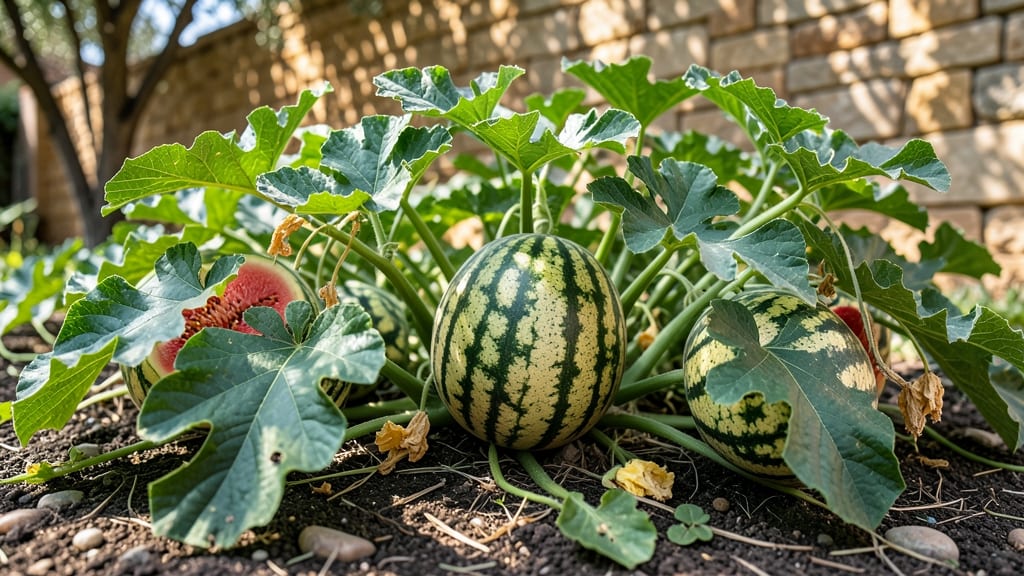
A watermelon can grow to sizes that will make you question whether it’s even still a fruit—some varieties stretch over 3 feet long and weigh more than 200 pounds.
Imagine biting into a watermelon so massive it could feed a small family—some varieties grow so large they break weighing scales and defy expectations. But how big can a watermelon truly get, and what secrets fuel their explosive growth?
Most gardeners settle for 10-20 pound melons, but heirloom and record-breaking varieties like the 'Moon and Star' or 'Black Diamond' shatter those limits. The key? Genetics, soil, and a little extra care—like deep watering and proper spacing.
Below, I’ll break down the world’s largest watermelons, the science behind their size, and how you can coax bigger harvests in your own garden—no farm required.
World record watermelons: the largest varieties and their staggering sizes
When I first saw a 350-pound watermelon at a county fair, I thought it was a pumpkin—until I learned the truth. Some watermelon varieties aren't just big; they're monstrous, shattering expectations with sizes that make grocery store melons look like pebbles.
The Guinness World Records recognize these giants, and their stories reveal the science of giantism in plants.
Most watermelons you buy weigh between 10-20 pounds, but heirloom varieties like 'Moon and Star' and 'Black Diamond' can reach 100+ pounds with the right conditions. The current record holder, a 'Moon and Star' grown by Chris Kent of Georgia, tipped the scales at 350.5 pounds in 2021.
That's heavier than a large dog and requires a custom scale to measure!
The secret to these giants lies in genetics, pollination, and climate. Giant varieties have larger seed cavities and thicker rinds to support massive fruit weight. Cross-pollination between strong vines is critical—some growers use hand-pollination techniques with paintbrushes to ensure fertilization.
Warm, humid climates with long growing seasons (120+ days) provide the perfect environment for these behemoths to thrive.
Here’s a comparison of the world’s largest watermelons, including their weight, circumference, and growing conditions. These numbers will make your standard 15-pound watermelon feel tiny by comparison.
What’s fascinating is how these record-breaking melons aren’t just big—they’re engineered for size. Varieties like 'Moon and Star' have thicker rinds to prevent splitting under weight, while their interior seed cavities are larger to accommodate massive growth.
The Black Diamond, for example, often develops a dark green, almost black rind when fully mature, making it both a visual spectacle and a culinary prize.
Growing conditions play a critical role in achieving these sizes. The soil must be nutrient-dense, with a focus on potassium and phosphorus to support fruit development.
Many record growers use compost tea or fish emulsion to boost organic matter. Watering strategies also differ—giant melons need deep, infrequent watering (1-2 inches per week) to encourage root growth without causing blossom-end rot.
Temperature is another game-changer. Watermelons thrive in 70-90°F soil temps, and nights below 60°F can stunt growth. That’s why Southern states dominate the record books—they offer long, hot summers perfect for giant varieties.
Even in cooler climates, row covers or greenhouses can extend the growing season enough to coax larger fruits.
If you’re dreaming of growing a world-record watermelon, start with heirloom seeds from specialty suppliers like Baker Creek Heirloom Seeds or Seed Savers Exchange. Look for varieties labeled as
How to grow a giant watermelon: pro tips for maximizing size at home
Growing a giant watermelon isn't just about luck—it’s a science. With the right soil prep, spacing, and care techniques, you can coax your vines into producing melons that rival world records.
The key? Mimicking the ideal conditions these massive fruits thrive in, from nutrient-rich soil to strategic pruning.
First, focus on soil quality. Giant watermelons demand well-draining, nutrient-dense soil with a pH between 6.0 and 6.8. Amend your garden bed with compost and a balanced fertilizer (like 5-10-10) at planting. Avoid over-fertilizing—too much nitrogen promotes leafy growth at the expense of fruit size.
The Guinness World Record watermelon weighed 350.5 lbs (2023), but most giant varieties like 'Moon and Star' or 'Black Diamond' can hit 100–200 lbs with ideal care. Home gardeners typically see 30–50 lbs from heirloom seeds, while commercial hybrids max out at 20–30 lbs. The secret? Genetics, pollination, and growing conditions—not just wishful thinking!
Next, give your vines plenty of space. Watermelon plants need 3–4 feet of diameter to sprawl, but their roots can stretch even farther. If space is tight, use burlap sacks or raised beds to contain roots while providing support.
Prune side shoots to direct energy into 1–2 main vines, which boosts fruit size.
Watering is critical—deep but infrequent sessions work best. Aim for 1–2 inches of water per week, delivered in the morning to prevent fungal diseases. Avoid wetting leaves, and mulch heavily to retain moisture. Overwatering or inconsistent watering leads to uneven growth and cracked fruits.
Pollination is another game-changer. Hand-pollinate flowers with a paintbrush if bees are scarce, focusing on morning blooms when pollen is fresh. Remove small fruits early to let the remaining melons grow larger. And here’s a pro tip: Harvest early if your melons outgrow their space—overripe giants can split or rot.
Finally, monitor for common mistakes like over-fertilizing (which stunts fruit development) or poor pollination (leading to misshapen melons). With patience and precision, your homegrown giant could soon be the talk of the neighborhood!