
Size
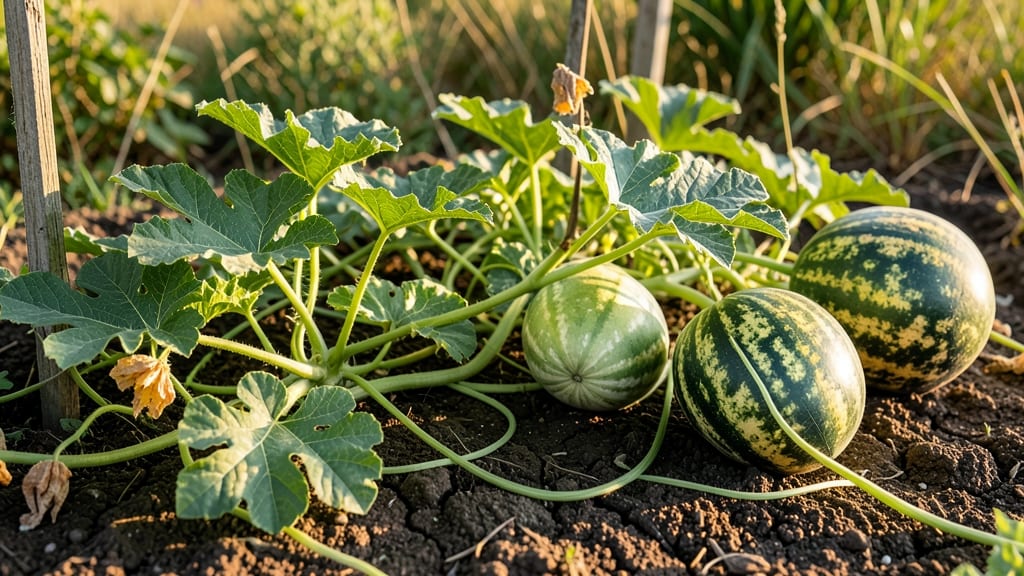
Growing watermelons takes about 70 to 90 days from seed to harvest, depending on the variety and growing conditions.
Picture this: you’ve just planted your 🍉 seeds in April, dreaming of that first juicy slice by summer. But if you pick the wrong variety—or if your soil isn’t warm enough—you could be waiting weeks longer than expected.
The key is knowing which types mature fastest and how to give them the right conditions to speed up their growth.
Some watermelons, like the speedy Sugar Baby, are ready in as little as 60 days, while heirloom varieties might take closer to 90 days.
That’s why timing your planting after the last frost (around April in Zone 6a) and choosing the right seeds can make all the difference between a summer harvest and a late-season disappointment.
Below, I’ll break down the exact growth timeline by variety, plus the factors that can speed up or slow down ripening—so you can plan your harvest like a pro and finally enjoy that first slice of homegrown sweetness.


Watermelon growth timeline by variety: days to harvest from seed
If you're planning your summer garden, knowing exactly how long watermelons take to grow is key to timing your harvest. Most varieties need between 70 and 90 days from seed to ripe fruit, but the exact timeline varies by type.
Early-season varieties like 'Sugar Baby' can be ready in as few as 60 days, while heirloom giants like 'Moon and Stars' may take 90+ days. Understanding these differences helps you choose the right variety for your growing season and climate.
Watermelon growth happens in distinct stages: germination (5-10 days), seedling (14-21 days), vine development (30-45 days), and fruit maturation (45-60 days). Each stage requires specific care—like ensuring warm soil for germination or consistent moisture during fruiting—to keep your plants on track.
Skipping these steps can delay harvest by weeks, so let’s break it down by variety to help you plan.
The fastest-maturing watermelons are ideal for short growing seasons or container gardening. These early-season varieties often produce smaller fruits but deliver sweet, juicy rewards in just 60-75 days. Meanwhile, long-maturing varieties are perfect for warm climates where you can extend the growing season.
Knowing your local frost dates and choosing the right variety ensures you don’t end up with overripe melons or a harvest cut short by cold weather.
For early-season varieties like 'Sugar Baby', you’ll see germination in just 5-7 days if planted in warm soil (at least 70°F). These varieties focus on speed, making them perfect for gardeners in cooler climates or those with limited space.
By day 21, seedlings will have 2-3 true leaves and be ready for transplanting. In just 60 days, you could be harvesting your first melons—ideal for late-June or early-July harvests in most regions.
Mid-season varieties, such as 'Crenshaw' or 'Yellow Doll', strike a balance between speed and size. They typically take 75-85 days to mature, giving you a slightly later harvest but larger, sweeter fruits.
These are great for gardeners who want to extend their harvest window into August or early September. For example, if you plant 'Yellow Doll' seeds on May 1st, you can expect ripe melons around July 15th, assuming consistent care and warm weather.
Long-maturing varieties like 'Moon and Stars' or 'Charleston Gray' require more patience but reward you with heirloom-quality melons weighing up to 30 lbs. These varieties need 85-95 days to reach harvest, making them best suited for gardeners in USDA zones 8-10 with long, hot summers.
Planting these in early April can yield harvests as late as September, perfect for those who want to enjoy fresh watermelons well into fall.
One critical factor in how long watermelons take to grow is the soil temperature. Watermelon seeds won’t germinate well in cold soil—aim for at least 70°F (21°C).
If your soil is cooler, consider using black plastic mulch or a seedling heat mat to speed up germination. Additionally, consistent watering (about 1-2 inches per week
Factors that speed up or delay watermelon ripening (and how to control them)
Watermelon growth isn’t just about patience—it’s a delicate balance of climate, soil, and care. Even the fastest varieties can stall if conditions aren’t right.
For example, my Sugar Baby watermelons took 85 days to ripen last summer, but my neighbor’s identical plants matured in just 70 days. The difference? His garden gets 12 hours of sun daily, while mine maxes out at 8.
Soil temperature plays a huge role—watermelons won’t germinate below 70°F (21°C). In cooler climates like Zone 5-6, I start seeds indoors and transplant after the last frost, shaving off 2-3 weeks compared to direct sowing.
Meanwhile, in Zone 8+, I can plant seeds directly in late March and enjoy harvests by June.
Watering habits also make or break your timeline. Overwatering causes blossom-end rot, while underwatering stresses vines and delays fruit set. I water my plants deeply every 3 days during flowering, but I reduce frequency once melons form to prevent cracking.
In drought-prone areas, mulching with straw keeps moisture consistent and speeds up ripening by 10-15 days.
⚠️ callout warning ⚠️
⚠️ Watermelon Ripening Red Flags
- Yellowing leaves = nutrient deficiency (add compost).
- Slow vine growth = cool soil (use black plastic mulch).
- Small, hard melons = underwatering (deep soak immediately).
- White powdery spots = fungus (remove affected leaves).
Ignoring these signs can delay harvest by 3+ weeks.
Sunlight is non-negotiable—watermelons need 6-10 hours of direct sun daily. In shady spots, growth slows dramatically. I once grew a Crenshaw variety under 50% shade, and it took 100 days to ripen instead of the usual 80 days.
For faster results, use reflective mulch or plant near a south-facing wall to maximize light exposure.
Fertilizer choices matter too. High-nitrogen feeds boost leafy growth but delay fruiting. Instead, I use a 5-10-10 blend (low nitrogen, high potassium) once vines hit 2 feet.
This trick accelerated my Black Diamond melons by 2 weeks compared to unfertilized plants. Side-dress with compost every 4 weeks during the growing season for best results.
Finally, pollination can’t be overlooked. Hand-pollinate flowers in cool or rainy climates by transferring pollen with a paintbrush. Last year, my Charleston Gray melons failed to set fruit until I did this—adding 3 extra weeks to their ripening time.
In hot climates, bees handle the job naturally, but a little help ensures consistent harvests.
By mastering these factors, you can shave weeks off ripening time or troubleshoot delays before they happen. My fastest harvest yet? A Sugar Baby ready in 68 days thanks to perfect sun, soil, and watering. Now it’s your turn to try! 🌱