
How To
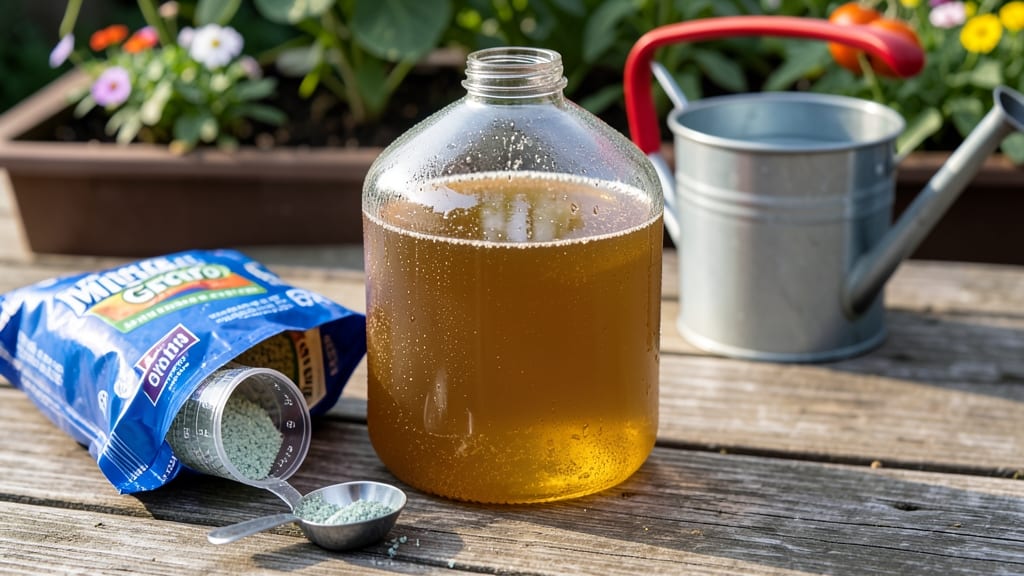
Miracle-gro dilution ratios by plant type: exact measurements for a gallon of water
Getting the right Miracle-Gro dilution ratio is key to avoiding over-fertilization while maximizing growth. Too much can burn roots, while too little leaves your plants starving. The exact amount depends on your plant type, growth stage, and fertilizer form.
Below, I’ll break down the precise measurements for a gallon of water, whether you’re using liquid, granular, or slow-release Miracle-Gro.
For most vegetables and flowers, the standard ratio is 1 tablespoon per gallon of water. However, seedlings and houseplants need half that strength to avoid shock. Always shake liquid formulas well before mixing—sediment can clog sprayers and affect nutrient distribution. Remember, evening application reduces leaf burn from direct sunlight.
🌱
| Plant Type | Miracle-Gro Form | Ratio (Per Gallon) | Frequency | Notes |
|---|---|---|---|---|
| Vegetables (Tomatoes, Peppers, Lettuce) | Liquid | 1 tbsp | Every 2 weeks (spring-fall) | Use full strength for fruiting plants |
| Flowers (Roses, Petunias, Marigolds) | Liquid | 1 tbsp | Every 3 weeks (spring-fall) | Reduce to ½ tbsp for blooming stage |
| Houseplants (Pothos, Snake Plant, Ferns) | Liquid | ½ tsp | Monthly (spring-fall) | Avoid in winter; flush soil every 3 months |
| Seedlings (All Types) | Liquid | ¼ tsp | Every 4 weeks | Use only after true leaves appear |
| Granular (All Plants) | Granular | 1 tbsp per sq ft | Every 6-8 weeks | Water deeply after application |
| Slow-Release (All Plants) | Pellets | Follow package instructions | Apply once per season | Best for long-term nutrient release |
For vegetables like tomatoes and peppers, stick to the full 1 tablespoon per gallon ratio during fruiting season. These heavy feeders need extra phosphorus and potassium for strong yields.
I’ve found that applying Miracle-Gro in the evening prevents leaf burn from the sun’s intensity, especially in hot climates like Zone 8 or higher.
When it comes to houseplants, I always err on the side of caution. A ½ teaspoon per gallon is plenty—over-fertilizing can cause salt buildup in potting mix, leading to root rot. For seedlings, even a ¼ teaspoon per gallon is often too strong.
Instead, I dilute it further to 1/8 teaspoon per gallon and only apply it after the plants have developed their second set of true leaves.
🪴
If you’re using granular Miracle-Gro, the rule changes slightly. Instead of measuring per gallon of water, you’ll apply 1 tablespoon per square foot of soil surface. Water it in immediately to activate the nutrients.
For slow-release pellets, follow the package instructions—these are designed to dissolve over time, so precision isn’t as critical as with liquid formulas.
One common mistake I see is over-applying Miracle-Gro during drought conditions. Plants under stress can’t absorb excess nutrients, leading to fertilizer burn. Always water your plants thoroughly before and after applying
Common mistakes when mixing Miracle-gro: how to avoid over-fertilizing your plants
Mixing Miracle-Gro incorrectly can turn your garden into a nutrient disaster. One of the biggest mistakes is using too much fertilizer at once, which leads to leaf burn and stunted growth.
Even experienced gardeners sometimes misjudge the dilution ratio, thinking more equals better. But plants absorb nutrients gradually—overfeeding stresses them instead of helping.
The key is understanding how much Miracle-Gro to a gallon of water for your specific plants. For most vegetables and flowers, the standard is 1 tablespoon per gallon.
However, seedlings and houseplants need half that amount—just ½ tablespoon per gallon—to avoid shocking their delicate roots. Always check the label, as formulas vary slightly.
⚠️ Danger Zone: Over-Fertilizing Signs
Mixing more than 2 tablespoons per gallon risks nutrient burn. Watch for these red flags:
- Brown leaf tips (crispy edges from salt buildup)
- Yellowing leaves (excess nitrogen)
- Slow growth despite frequent watering
- White crust on soil surface (fertilizer residue)
Fix it:
Flush soil with plain water (3x the pot size) to leach excess salts. Reduce feeding to every 8-12 weeks while recovery.
Seasonal timing is another critical factor. In spring, when plants are actively growing, you can apply Miracle-Gro every 4-6 weeks. But in fall, switch to a lighter feed—just ½ tablespoon per gallon—to encourage root strengthening before winter dormancy.
Never fertilize in winter; cold soil locks out nutrients, wasting your efforts.
Frequency matters just as much as concentration. Most gardeners overdo it by feeding too often. For vegetables like tomatoes and peppers, stick to every 2 weeks during peak season.
For flowers and ornamentals, extend the gap to 4-6 weeks. Always water before applying fertilizer to prevent root burn from concentrated salts.
One sneaky mistake is mixing Miracle-Gro with acidic water (pH below 6.0). The combination creates nitrogen lockout, making plants starve despite the fertilizer. Test your water’s pH first—aim for 6.0-7.0.
If your tap water is acidic, adjust with lime or use rainwater instead. For houseplants, distilled water is safest to avoid mineral buildup.
To troubleshoot over-fertilization, start with a soil flush. Water deeply until it runs out the drainage holes, repeating 3 times over a week. Then, repot affected plants into fresh, sterile soil to remove residual salts.
For yellowing leaves, trim damaged foliage to redirect energy to new growth. If roots look black or mushy, they’re rotting from salt damage—replace the plant and adjust your feeding schedule.
Remember, less is more when it comes to Miracle-Gro. Start with the recommended ratios, monitor your plants’ response, and adjust gradually. Healthy soil microbes break down nutrients—rushing the process only harms your garden in the long run. With patience, your plants will thrive without the stress of over-fertilization. 🌱