
Light Requirements
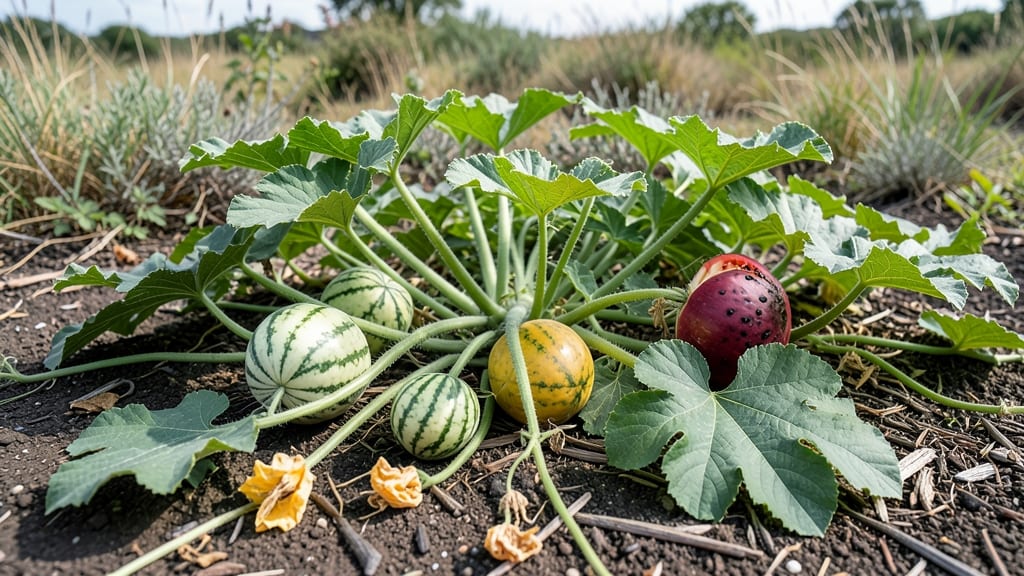
Watermelon plants need 6 to 10 hours of sunlight daily to grow juicy, ripe fruit 🍉 — and skipping this step is the fastest way to end up with bitter, underdeveloped melons.
Struggling to grow watermelons that stay bitter and small? The secret might be hiding in the sunlight—or lack thereof. Watermelon plants are sun-hungry, but too much or too little can ruin your harvest before it even ripens.
Here’s the deal: watermelons thrive when they bask in full sun, but not every garden spot delivers the same results. I’ll show you how to measure sunlight in your space, spot the warning signs of poor exposure, and adjust your planting plan for the perfect harvest.
By the end, you’ll know exactly where to place your plants—whether in the ground or a container—to get those sweet, vine-ripened melons every time.
 Best Window Placement
Optimal sunlight hours for watermelon plants: the science behind 6-10 hours daily
Watermelon plants thrive under the sun, but their light needs change dramatically from seedling to fruiting stage. While 6-10 hours of direct sunlight is the golden rule, understanding how sunlight impacts each growth phase unlocks sweeter, larger fruit.
Too little sun leads to bitter melons, while excessive heat without proper care can scorch leaves.
Sunlight isn't just about hours—it's about intensity. A sun intensity scale (1-10) helps gardeners gauge exposure: 8-10 means full sun, while 4-6 is partial shade. Watermelons need the higher end to develop their signature sweetness through photosynthesis. Without enough light, their chlorophyll production suffers, resulting in pale, weak vines.
Here’s how sunlight affects watermelon plants at different stages:
| Growth Stage | Sunlight Needs | Intensity Scale | Fruit Impact |
|---|---|---|---|
| Seedlings (0-2 weeks) | 4-6 hours (gentle morning sun) | 4-5 | Prevents leggy growth |
| Vegetative (2-6 weeks) | 6-8 hours (direct sun) | 6-7 | Strong vine development |
| Flowering (6-8 weeks) | 8-10 hours (full sun) | 8-9 | Pollination success |
| Fruiting (8+ weeks) | 10+ hours (peak sun) | 9-10 | Sweetness and size |
Seedlings need gentle sunlight to avoid stress, while mature plants crave full sun exposure to ripen fruit properly. The transition from 6 to 10 hours happens gradually—rushing it can lead to sunburned leaves. Use drip irrigation in the morning to keep plants hydrated during their sunniest hours.
Measuring sunlight accurately involves tracking hours and intensity. Place a sunlight meter or use a simple trick: Observe your garden from 10 AM to 4 PM. If shadows are minimal, you’ve got full sun.
For 6-8 hours, choose a spot with morning sun and afternoon shade. 10+ hours is ideal for sweetest melons.
Sunlight directly influences fruit sweetness through sugar production. Watermelons grown with 10 hours of sun develop higher sugar content than those with 6 hours. The difference? A 10-hour day can boost sweetness by up to 30%, turning a mediocre melon into a juicy prize.
Test your soil’s fertility too—low nutrients paired with full sun won’t help.
Regional adjustments matter. In northern climates, watermelons may need supplemental grow lights to reach 8 hours. Southern gardens often get too much sun—use shade cloth (30-50%) during peak afternoon heat to protect leaves. Balance is key: Watermelons hate heat stress but thrive in warmth.
Pro tip: Plant watermelons near reflective surfaces like white walls or gravel to bounce extra light onto vines. This trick adds 1-2 hours of effective sunlight without moving plants. Pair this with mulch to retain moisture, and you’ll see faster growth and larger fruit.
If your watermelons stay small or taste bland, check their sunlight exposure first. A simple fix—like moving plants to a sunnier spot—can transform your harvest. Sweet, ripe watermelons are a reward for giving them the right amount of sun at the right time. ☀️🍉
Signs your watermelon plants aren’t getting enough sun (and how to fix it)
If your watermelon plants look weak or produce tiny, bitter fruit, sunlight deprivation might be the culprit. These plants thrive in full sun conditions, but even subtle shade can stunt their growth. I’ve seen firsthand how pale leaves and stunted vines signal a desperate need for more light.
One of the first signs is yellowing leaves, especially on the lower stems. This happens when chlorophyll breaks down due to insufficient photosynthesis energy. Even worse, flower production drops, and any fruit that forms stays small and bland. Don’t ignore these warnings—your harvest depends on it!
⚠️ callout warning
Watermelon plants require 8-10 hours of direct sunlight daily. Without this, expect:
- Stunted vines (growth stops at 3-4 feet)
- Pale, thin leaves (chlorophyll deficiency)
- Fewer flowers (poor pollination)
- Bitter, undersized fruit (sugar development fails)
Fix it now: Move plants to sunnier spots or supplement with grow lights (12+ hours/day for containers).
To diagnose the issue, check your garden’s sunlight exposure between 10 AM and 4 PM—the peak hours. If nearby trees or buildings cast shadows for more than 2 hours, your plants are at risk.
I once had a watermelon patch near a fence that only got 4 hours of sun, and the fruit never ripened past half-size.
Quick fixes include relocating plants to a sunnier bed or using reflective mulch (like white gravel) to bounce extra light onto leaves. For container growers, place pots on south-facing patios or use LED grow lights (12 inches above plants) for 6 hours daily. Even partial solutions help!
If you’re in a northern climate, extend the growing season with row covers or cold frames to maximize sunlight. I’ve grown watermelons successfully in Zone 5 by starting seeds indoors under grow lights and transplanting early. The key is consistency—watermelons won’t tolerate inconsistent light.
Remember: Sunlight = Sugar. Without enough, your watermelons will lack the sweetness and size you crave. Test your garden’s light this week—your next harvest depends on it! 🌱☀️