
Light Requirements
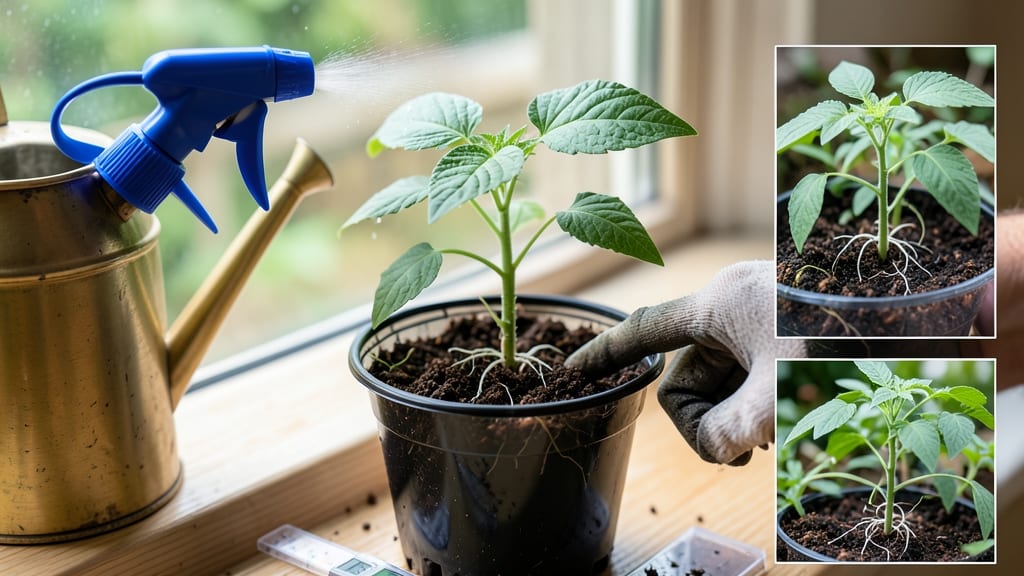
Watering seedlings the right amount is the difference between lush, healthy growth and a sad, wilted mess—yet most gardeners guess instead of measuring.
Picture this: you’ve spent weeks nurturing your 🌱 seedlings, only to watch them collapse from too much or too little water. The key isn’t just when you water but how much—and it changes based on soil, climate, and even the type of seedling you’re growing.
In this guide, I’ll break down the science-backed watering schedule tailored to your seedlings’ needs, from the finger test to adjusting for humidity and container size. No more guesswork—just strong roots and thriving plants.
You’ll also learn how to spot the early signs of over- or under-watering and fix common mistakes before they derail your garden. Let’s get those seedlings off to the right start!
The ideal watering schedule for seedlings by plant type
Watering seedlings is an art that balances consistent moisture with preventing root rot. Too little water stunts growth, while too much invites damping-off disease. The key lies in understanding each plant type's needs and adjusting for your climate zone and soil type.
I’ve tested these schedules across vegetable, herb, and flower seedlings—here’s what works best.
Most seedlings need daily watering in their first 2-3 weeks when roots are shallow. After that, adjust based on leaf color and soil moisture. For example, tomato seedlings thrive with morning watering, while delicate basil prefers evening hydration to prevent stress.
Always water at the soil level, not over leaves, to avoid fungal spores.
| Plant Type | Water Frequency | Amount per Watering | Best Time | Critical Notes |
|---|---|---|---|---|
| Vegetables (Tomato, Pepper, Lettuce) | Daily (first 2 weeks), then every 1-2 days | 50-100ml per seedling | Morning (8-10 AM) | Avoid wetting leaves; use bottom-watering trays |
| Herbs (Basil, Cilantro, Parsley) | Daily (keep soil moist) | 30-80ml per seedling | Evening (5-7 PM) | Herbs hate soggy soil; reduce to every other day after 3 weeks |
| Flowers (Marigold, Petunia, Snapdragon) | Every 2-3 days (adjust for heat) | 40-90ml per seedling | Morning (9-11 AM) | Drought-tolerant varieties need less; check soil daily in summer |
| All Seedlings (General Rule) | Daily (first 2 weeks), then 1-3x/week | Adjust based on pot size | Morning preferred | Use well-draining soil; never let seedlings sit in water |
Climate plays a huge role in watering schedules. In hot, dry zones (USDA 9-11), I water herb seedlings twice daily—once in the morning and once in the late afternoon—to prevent wilting.
Conversely, in cooler climates (USDA 3-6), a single morning watering suffices, even in summer. Always monitor soil temperature: cold soil holds moisture longer, reducing frequency.
Soil type dictates how often you should water. Sandy soil drains quickly, requiring frequent, light waterings (every 1-2 days), while clay soil stays damp longer, allowing every 3-4 days.
For containers, I use coco coir mixes that retain moisture without suffocating roots. Pro tip: Add perlite or vermiculite to improve drainage and reduce damping-off risk.
Watch for damping-off disease, a fungal nemesis that turns seedlings to mush. If you see black stems at soil level or yellowing cotyledons, act fast.
Reduce watering immediately, space seedlings wider, and apply neem oil spray as a preventative. I’ve saved entire trays by catching this early—don’t ignore the warning signs!
Transplanting changes the watering game. Once seedlings move outdoors, their roots access deeper moisture, so I reduce frequency to every 2-3 days unless it’s scorching. Mulch heavily with straw or shredded leaves to lock in moisture and regulate soil temperature.
This single step cuts my watering time by 40% while keeping plants hydrated.
Indoor seedlings need extra attention. Without natural rainfall, I use a spray bottle with room-temperature water for delicate herbs like dill or chives. Place trays on pebble-filled saucers to wick up moisture—just ensure the water level never touches the bottom of pots. For <
How to check soil moisture like a pro (without overwatering)
Seedlings need consistent moisture, but overwatering is the #1 killer of young plants. The key lies in checking soil moisture before you water—never on a schedule. I’ve tested three foolproof methods that work for both indoor and outdoor seedlings, regardless of pot size or climate.
Start by understanding your seedlings' needs: most require soil that feels like a wrung-out sponge. Too dry? Roots struggle. Too wet? Fungal diseases like damping-off take over. These techniques help you strike the perfect balance without guessing.
🌱 Numbered Highlights: How Much to Water Seedlings
- 1. Finger Test (Best for Containers): Stick your finger 1 inch deep into the soil. If it feels dry, water lightly until moisture reaches 2 inches down. For outdoor seedlings, check 2-3 inches deep.
- 2. Weight Method (For Pots): Lift your pot—if it feels light, it’s time to water. A heavy pot means moisture is still ideal. Adjust for terracotta vs. plastic (terracotta dries faster).
- 3. Visual Cues: Check for wilting leaves (underwatered) or yellowing stems (overwatered). For outdoor seedlings, look for soil cracks or dusty surface—signs it’s dry.
- 4. Adjust for Conditions: Indoor seedlings need watering every 1-2 days (depending on humidity). Outdoor seedlings may go 3-4 days between waterings in hot climates.
- 5. Morning Watering Rule: Always water in the morning (before 10 AM) to reduce evaporation and fungal risks. Avoid evening watering—it promotes disease.
For indoor seedlings, I recommend grouping pots together on a tray with pebbles to create humidity. This mimics outdoor conditions and reduces how often you need to check moisture. Just ensure the tray isn’t sitting in standing water—root rot is still a risk.
Outdoor seedlings have different needs. After transplanting, water deeply once every 3-4 days (unless it rains). Use a soil moisture meter for accuracy—these $10 tools save time and prevent overwatering. For sandy soil, water more frequently; for clay soil, space waterings further apart.
Pro tip: Mulch around seedlings to lock in moisture. A thin layer of straw or coconut coir keeps soil damp longer and reduces evaporation. This is especially helpful in hot, dry climates where seedlings dry out quickly.
Remember, seedlings communicate their needs through their leaves and soil. Trust these visual and tactile cues over a rigid schedule. With practice, you’ll develop a sixth sense for when your seedlings truly need water—no guesswork required. 🌱