
How To
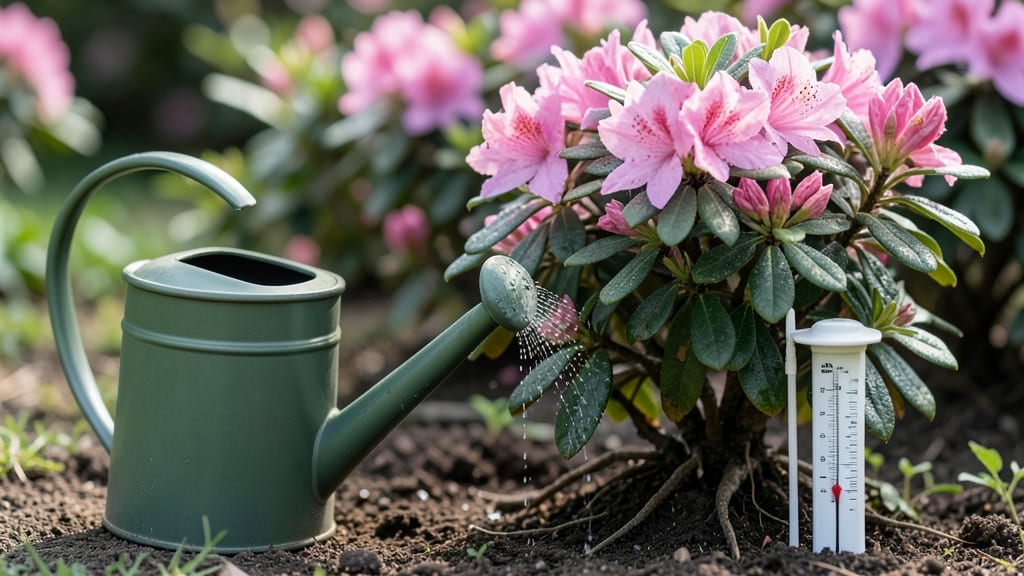
Azaleas need about 1 to 3 inches of water per week to thrive, depending on the season, soil, and whether they’re in a pot or planted in the ground.
Struggling to keep your azaleas vibrant and blooming year after year? The secret isn’t just soil or sunlight—it’s mastering their watering needs, which change dramatically with the seasons. Too little, and their leaves wilt; too much, and roots rot. Getting it right keeps those showstopping blooms coming back every spring.
In summer, azaleas drink deeply—think soaking the soil until it’s moist 6 inches down. In winter, they barely need a sip. Containers dry out faster, so check the soil before watering, while in-ground plants hold moisture longer.
I’ll break down the exact schedule by season, plus how to spot when you’re over- or underdoing it.
You’ll also discover smart tools to cut watering guesswork—like drip systems and mulch tricks—that save time and keep your azaleas healthy without the fuss. Let’s dive in.
Azalea watering schedule by season: weekly requirements for thriving plants
Azaleas thrive when their watering needs align with seasonal changes, but many gardeners struggle to find the perfect balance. These acid-loving shrubs demand consistent moisture during active growth months while requiring far less in dormant seasons.
The key lies in understanding how temperature, humidity, and soil type influence their hydration needs—especially when comparing container-grown vs. in-ground plants.
In-ground azaleas develop deep root systems that access moisture from the surrounding soil, while potted azaleas dry out 3x faster due to limited soil volume. Container plants also face evaporative losses from exposed sides, making them more vulnerable to dehydration.
My seasonal watering guide below breaks down exactly how much and how often to water, with adjustments for your specific growing conditions.
During spring (March-May), azaleas ramp up growth after winter dormancy, requiring weekly deep waterings to support new foliage and buds. I recommend checking soil moisture by inserting your finger 2-3 inches deep—if it feels dry, it's time to water.
Container azaleas in this season need daily attention during dry spells, as their limited soil volume dries out quickly.
Summer brings the highest water demands, especially in USDA Zones 7-9 where temperatures often exceed 90°F. In-ground azaleas should receive 1-2 inches of water weekly, while container plants may need daily watering during heatwaves.
The key is deep, infrequent watering—aim for 8-10 inches deep to encourage root growth downward rather than shallow, frequent surface watering.
As fall (September-November) arrives, I reduce watering frequency to bi-weekly for in-ground plants and every 5-7 days for containers. This gradual reduction helps azaleas prepare for winter dormancy. Always water in the early morning to prevent fungal diseases from overnight moisture.
A 2-3 inch layer of mulch around the base helps retain soil moisture and insulate roots.
Winter care is often misunderstood—many gardeners overwater during dormancy, leading to root rot. I only water in-ground azaleas monthly when the ground isn't frozen, using just enough to keep the soil slightly moist.
Container azaleas need slightly more attention—every 3-4 weeks—but never let them sit in soggy soil. The goal is to maintain minimal moisture without encouraging rot during the plant's resting period.
For container-grown azaleas, I've found that self-watering pots with moisture meters make maintenance easier. These plants dry out 30-50% faster than in-ground varieties, so I check soil moisture daily in summer and every 3 days in spring/fall.
Always use pots with drainage holes and elevate them slightly to prevent waterlogging.
One common mistake I see is ignoring soil type. Azaleas prefer acidic, well-draining soil with a pH between 4.5-6.0. Heavy clay soils hold too much moisture, while sandy soils dry out too quickly.
If your soil doesn't drain well, amend it with peat moss or pine bark fines to improve aeration. For container plants, I use a 50/50 mix of peat moss and perlite for optimal drainage.
Remember that local climate matters. In humid regions like the Southeast, azaleas may need slightly less water than in arid Western
Signs your azaleas are overwatered or underwatered (and how to fix it)
Azaleas thrive on consistent moisture, but getting the balance right can be tricky. Too much water leads to root rot and yellowing leaves, while too little causes wilting and stunted growth.
I’ve seen both extremes in my own garden, and the key is learning to read your plant’s signals before damage sets in.
Start by checking the soil—stick your finger about 1-2 inches deep. If it feels damp, hold off on watering. If it’s bone dry, it’s time to hydrate. Azaleas prefer their soil to stay evenly moist but never soggy, especially in containers where roots dry out faster.
⚠️ How Much Water Do Azaleas Need?
1-2 inches of soil moisture is ideal. In-ground azaleas need 1-1.5 gallons per week in summer, while potted azaleas dry out faster—water every 3-5 days in hot weather. Always water at the base of the plant to avoid wetting leaves, which can cause fungal issues.
Yellowing leaves are the most common sign of overwatering. If the lower leaves turn yellow first and the soil smells sour, your azalea is likely drowning. Reduce watering immediately and improve drainage by adding organic matter like compost or perlite to the soil.
On the flip side, underwatered azaleas show wilting leaves that feel dry and crispy to the touch. The edges may brown, and new growth will be sparse. To fix this, water deeply until it runs out the drainage holes (for potted plants) or seeps into the soil (for in-ground plants).
Mulching with 2-3 inches of organic mulch helps retain moisture and keeps roots cool.
For stubborn cases, test your soil’s moisture level with a moisture meter or the "squeeze test"—grab a handful of soil. If it crumbles easily, it’s time to water. If it stays clumped, wait a day or two.
Adjust your watering schedule based on your local climate and the season—azaleas need more water in summer and less in winter.
Remember, azaleas are acid-loving plants, so always use rainwater or distilled water if possible. Tap water with high alkalinity can stress their roots over time. With the right balance, your azaleas will reward you with vibrant blooms year after year.