
Watering
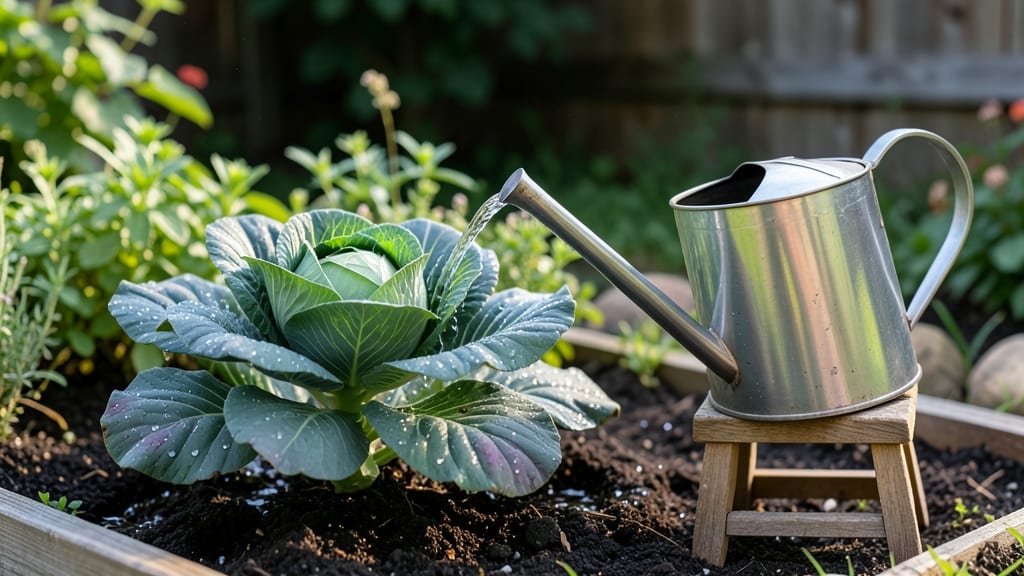
Cabbage plants need 1 to 2 inches of water per week 🥬—but the real secret lies in when and how you deliver it, because uneven moisture turns sweet heads into bitter disappointments.
Picture this: your cabbage seedlings wilt after a dry spell, then rot when you overcompensate with a flood. That’s the tightrope act of watering 🥬—too little stunts growth, too much drowns roots. The solution? A stage-by-stage schedule that keeps soil evenly moist without turning your garden into a swamp.
From germination to harvest, your watering routine should shift with the plant’s needs—deep soaks for seedlings, frequent checks during head formation, and smart adjustments for heat or rain. Below, I’ll break down the exact weekly schedule, plus the telltale signs your cabbage is thirsty or drowning.
Ready to stop guessing? You’ll learn how to water for crisp, market-ready heads—no more mushy cores or split leaves—by mastering just three simple rules.
Weekly watering schedule for cabbage plants by growth stage (seedling to harvest)
Cabbage thrives on consistent moisture, but its water needs shift dramatically from seedling to harvest. Underwatering leads to bitter, loose heads, while overwatering causes rot and stunted growth.
The key is matching your watering routine to each growth phase—delicate seedlings need gentle hydration, while mature heads demand deep, infrequent soaks. Below, I break down the ideal schedule, including soil moisture targets and adjustments for heat or drought.
Start by checking soil moisture with your finger: stick 1-2 inches deep—if it feels dry, it’s time to water. For container-grown cabbage, soil dries faster, so monitor daily.
In-ground plants with mulch retain moisture longer, reducing your watering frequency. Always water at soil level (not overhead) to prevent fungal diseases like downy mildew, which thrives in damp foliage.
💧 Pro Tip: Use a moisture meter or the "squeeze test"—grab a handful of soil; if it crumbles easily, water is needed. If it sticks together, hold off until the next day.
During the seedling stage (0-3 weeks), cabbage plants are most vulnerable to drying out. Keep soil consistently moist—like a wrung-out sponge—by watering lightly every 2-3 days. Overhead watering can dislodge tiny seeds or seedlings, so use a watering can with a fine rose or misting bottle.
If you notice yellowing leaves or wilting, increase frequency to daily until they recover.
As plants enter vegetative growth (3-6 weeks), they need more water but can handle slightly drier soil. Aim for 1 inch of water per week, delivered in deep soaks rather than frequent shallow waterings.
This encourages strong root development and prevents blossom-end rot, a common issue in brassicas. Mulch with straw or shredded leaves to lock in moisture and suppress weeds, which compete for water.
When head formation (6-10 weeks) begins, reduce watering slightly to every 4-5 days. Overwatering now can cause heads to split or rot, especially in loose-leaf varieties. Focus on keeping the top 2-3 inches of soil moist—use your finger to check before watering.
If your area experiences hot, dry spells, increase frequency to every 2-3 days and water deeply in the early morning to minimize evaporation.
For mature heads (10+ weeks), cut back to weekly watering unless temperatures exceed 90°F. At this stage, the goal is to maintain
Signs of overwatering vs. underwatering in cabbage plants (and how to fix it)
Cabbage plants 🥬 thrive on consistent moisture, but getting the balance wrong can turn your crisp heads into sad, mushy messes. Overwatering drowns roots, while underwatering makes leaves bitter and stunted. Let’s decode the warning signs so you can rescue your plants before it’s too late.
Yellowing leaves are the first red flag, but don’t panic—it could mean either too much or too little water. Overwatered cabbage leaves turn yellow with a soggy, limp texture, while underwatered leaves yellow at the edges with crispy, dry tips.
Check the soil first: if it’s damp, you’re overdoing it.
Root rot is the silent killer of overwatered cabbage. Mushy, black roots and a foul smell mean your plants are drowning. Wilting can also signal underwatering, but here’s the twist: overwatered plants wilt too, but their soil stays soggy.
Stick your finger 1 inch deep—if it’s muddy, cut back on water.
Split heads are another classic watering fail. Too much water causes heads to crack open, exposing tender flesh to pests and rot. Underwatered cabbage, on the other hand, develops small, loose heads that never firm up. Both issues ruin your harvest, but fixing them is simple once you spot the clues.
Overwatering vs. Underwatering: Quick Fixes
| Issue | Signs | Solution |
|---|---|---|
| Overwatering | Yellow leaves, soggy soil, root rot, wilting | Stop watering, improve drainage, repot if needed |
| Underwatering | Crispy edges, dry soil, small heads, wilting | Water deeply, mulch to retain moisture, adjust schedule |
💧 Pro Tip: Always water at the base, never overhead, to prevent disease.
For overwatered cabbage, reduce frequency and improve drainage by adding perlite or sand to heavy soil. Raise containers to prevent water pooling. Underwatered plants need a deep soak—aim for 1-2 inches of water per week, adjusting for rain. Mulch with straw to lock in moisture and keep roots cool.
When in doubt, check the soil before watering. Stick your finger 1-2 inches deep: if it’s dry, water; if it’s damp, wait. Morning watering is key—it gives leaves time to dry, reducing fungal risks like downy mildew. With these fixes, your cabbage will bounce back in no time.