
How To
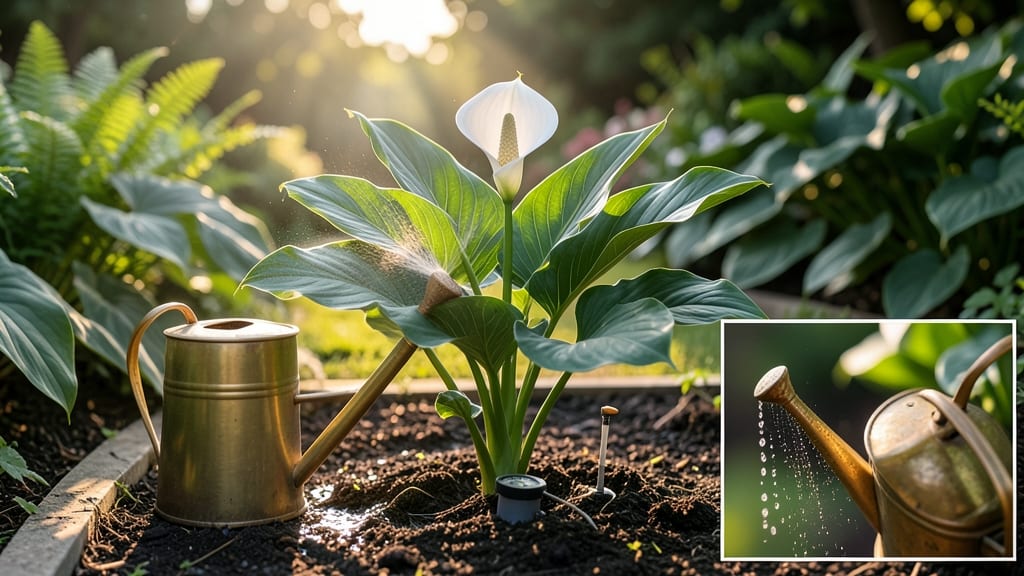
Calla lilies need about 1 to 1.5 inches of water per week to keep their roots happy and their 🌸 blooms thriving.
Struggling to keep your calla lilies vibrant? Overwatering or underwatering can turn their lush foliage into sad, wilted leaves—fast. The secret to thriving calla lilies lies in mastering their water needs, starting with the simple but critical '2-inch rule'.
This rule isn’t just about dumping water and walking away—it’s about checking soil moisture before each watering. Stick your finger 2 inches deep; if it’s dry, it’s time to hydrate.
Too wet? Hold off until the soil dries slightly. Seasonal shifts matter too: summer heat demands more frequent watering, while winter slows things down.
Below, I’ll break down how to adjust your watering schedule by season, spot the signs of over- or underwatering, and keep your calla lilies looking their best—whether they’re in pots or planted in the ground.
The 2-Inch rule: how deep to water calla lilies for perfect growth
Calla lilies (Zantedeschia aethiopica) thrive when their rhizomes stay consistently moist but never waterlogged. The 2-inch rule is my go-to guideline: water when the top 2 inches of soil feel dry to the touch.
This method prevents both root rot and stress-induced wilting, keeping your plants lush and blooming. Understanding this rule transforms guesswork into a science-backed routine.
Why does depth matter? Calla lily roots spread horizontally, not deep. Watering just 2 inches down ensures moisture reaches where it’s needed without oversaturating the soil.
Overwatering triggers anaerobic conditions, suffocating roots, while underwatering causes leaves to droop and buds to abort. The key is balance—consistency over excess.
How to test soil moisture like a pro: Stick your finger 2 inches deep. If it feels dry, water thoroughly. If damp, wait another day. For precision, use a moisture meter—these tools remove the guesswork entirely. I’ve found that calla lilies in containers dry faster than in-ground plants, so adjust your schedule accordingly.
Seasonal adjustments are critical. In spring and summer, when growth is active, I water every 5-7 days (or more in heatwaves). During fall and winter dormancy, I reduce to monthly watering or less, letting the soil dry slightly between sessions.
This mimics their natural dormant cycle and prevents winter rot.
| Condition | Spring/Summer | Fall/Winter |
|---|---|---|
| Soil Moisture Test | Top 2" dry | Top 2" slightly dry |
| Watering Frequency | Every 5-7 days | Every 10-14 days |
| Water Amount | 1-2 gallons per plant | 500ml per plant |
| Signs of Overwatering | Yellow leaves, mushy stems | Dormant wilting |
| Signs of Underwatering | Drooping leaves, crispy edges | Bud drop, stunted growth |
Watch for visual cues that reveal your watering habits. Yellowing leaves with soft stems signal overwatering, while crispy leaf edges or buds that refuse to open mean you’re underwatering. I’ve learned to trust these signals over rigid schedules—adjust based on your plant’s real-time feedback, not just a calendar.
For container-grown calla lilies, I add a layer of perlite to the soil mix to improve drainage. This prevents water from pooling at the bottom, which is deadly for rhizomes.
If you notice water sitting in saucers for more than 30 minutes, empty it immediately. Containers also dry out faster, so I water them 2-3 days earlier than in-ground plants.
Morning watering is my non-negotiable habit. Watering in the early hours (before 10 AM) gives leaves time to dry, reducing fungal risks like powdery mildew. Avoid evening watering—wet foliage overnight invites pests and diseases.
I’ve seen calla lilies with black spots on leaves after nighttime watering, a clear sign of fungal infection.
Mulching with 2-3 inches of organic mulch (like shredded bark) helps retain moisture while regulating soil temperature. This reduces how often I need to water, especially in hot climates.
Just avoid piling mulch against the stems—keep it 2 inches away to prevent rot. I’ve found that mulched calla lilies stay 30% more hydrated with half the effort.
If your calla lilies are struggling despite your best efforts, check their drainage system. Amend heavy clay soil with compost or sand to improve airflow. For potted plants, ensure drainage holes are unblocked.
I once had a calla lily die because the pot’s holes were clogged with roots—never assume your setup is perfect until you verify it.
Mastering the 2-inch rule takes practice, but the results—vibrant blooms, healthy foliage, and minimal stress—are worth it. Start by testing your soil daily for a week, then adjust based on your climate and
Calla lily watering schedule by season: when and how often to hydrate
Calla lilies thrive when their watering schedule matches their natural growth cycle. In spring and summer, they need consistent moisture to support lush foliage and vibrant blooms, while fall and winter demand reduced watering as they enter dormancy.
Your climate—whether humid or arid—also plays a key role in adjusting frequency. Container-grown calla lilies dry out faster than in-ground plants, so they require more frequent hydration.
Use the 2-inch rule as your guide: stick your finger 2 inches into the soil. If it feels dry, it's time to water. For in-ground calla lilies, this typically means watering every 5-7 days in summer and every 10-14 days in spring/fall.
In containers, check soil moisture daily, as pots dry out much quicker, especially in hot, dry climates. Adjust for rain—skip watering if you've had 1 inch of rain in the past 24 hours.
During summer blooming, prioritize deep watering in the morning to reduce evaporation and fungal risks. Aim for 1-1.5 gallons per plant in-ground, or until water drains through container holes.
In humid climates, like the Southeast U.S., reduce frequency by 20-30% to avoid soggy soil, which invites root rot. Conversely, in arid regions, like Arizona, increase watering by 30% and mulch heavily to retain moisture.
As fall dormancy approaches, cut back on watering in September-October. Let the top 1-2 inches of soil dry between waterings, signaling your calla lilies to prepare for winter. In containers, move pots to a shaded, sheltered spot and reduce watering to every 7-10 days.
If your region experiences freezing temperatures, withhold water entirely until spring.
Winter care is minimal but critical. In USDA Zones 8-10, where calla lilies survive outdoors, water monthly if the soil feels dry. For potted calla lilies brought indoors, place them in a cool, bright spot and water every 4-6 weeks.
Avoid overwatering—dormant rhizomes rot easily in soggy conditions. Resume regular watering in early spring when you see new shoots emerge.
Pro tip: Use a moisture meter for accuracy, especially in containers. Group calla lilies together to create a microclimate that retains humidity, reducing your watering workload. And always water at the base of the plant, avoiding foliage to prevent leaf spot diseases.
With this seasonal rhythm, your calla lilies will reward you with bold blooms year after year.