
How To
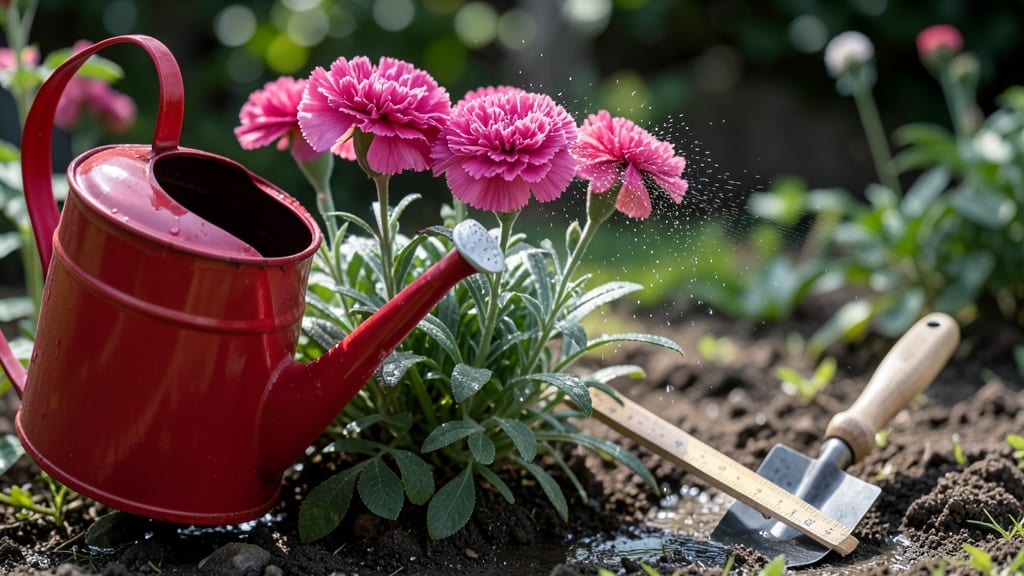
Carnations need about 1 cup of water every 3-5 days 🌸 — but that’s just the starting point, and getting it wrong can mean the difference between vibrant blooms and a sad, drooping plant.
Picture this: you’ve spent weeks nurturing your carnations, only for them to wilt overnight despite your best efforts. The truth? Overwatering or underwatering is the silent killer of these delicate flowers, and most gardeners get it wrong without even realizing it.
In this guide, I’ll walk you through the exact watering schedule your carnations crave, from seasonal adjustments to soil moisture tests that save you from guesswork.
Whether you’re growing them in pots or garden beds, you’ll learn how to keep the soil just right—moist but never soggy—for blooms that last all season.
You’ll also discover the best times to water, how to spot trouble before it starts, and pro tips to extend your carnations’ vase life once you cut them. No more wilting mysteries—just lush, long-lasting flowers with minimal effort.
Ideal watering schedule for carnations: frequency and depth by season
Carnations thrive on consistency, but their water needs shift dramatically with the seasons. Too much or too little water can stunt growth, fade blooms, or even kill your plants. The key is understanding how soil moisture, temperature, and humidity change—then adjusting your watering routine accordingly.
For example, my spring-planted carnations need gentle hydration to encourage root growth, while summer heat demands deeper, more frequent watering to prevent wilting. Let’s break down the perfect schedule for each season.
Start by checking soil moisture with your finger: Insert it about 1 inch deep near the base of the plant. If the soil feels dry, it’s time to water. For potted carnations, the top inch should dry out between waterings, while in-ground plants can handle slightly moister soil.
Overwatering is the biggest mistake—carnations hate soggy roots, which lead to rot and yellowing leaves. Aim for deep watering (1-2 inches per session) rather than shallow sprinkles to encourage strong root development.
| Season | Frequency | Depth | Soil Moisture Test | Climate Adjustments |
|---|---|---|---|---|
| Spring | Every 3-4 days | 1 inch | Top 1" dry | Reduce if rainy |
| Summer | Daily or every 2 days | 1.5-2 inches | Top 1.5" dry | Increase for heatwaves |
| Fall | Every 5-7 days | 1 inch | Top 1" dry | Reduce as temps drop |
| Winter | Bi-weekly | 0.5 inch | Top 0.5" dry | Skip if frozen ground |
In spring, focus on establishing roots before blooming begins. Water early in the morning to let foliage dry before evening, reducing fungal risks. If your area gets consistent rain (over 1 inch per week), cut back on supplemental watering to avoid waterlogged soil.
Mulch around the base with 2-3 inches of organic mulch (like straw) to retain moisture and regulate soil temperature. This is especially helpful in USDA Zone 6, where spring temps can fluctuate wildly.
Summer is the most critical season for carnations—heat stress causes buds to drop if plants aren’t hydrated properly. Water deeply in the early morning (before 8 AM) to minimize evaporation.
If your carnations are in containers, they’ll need water every 2-3 days, while in-ground plants can stretch to every 4-5 days with proper mulching. Watch for wilting leaves by noon; this is your cue to water immediately.
For drought-prone areas, consider drip irrigation to deliver water directly to the roots without wetting the foliage.
As fall arrives, reduce watering frequency but maintain depth. Carnations are preparing for dormancy, so let the top inch of soil dry out between waterings. This season is perfect for soil amendments: Mix in compost to improve drainage and retain moisture.
If you’re in a cooler climate (like Zone 6), you might notice slower growth—adjust by watering only when the soil feels dry 1.5 inches down. Avoid late-season watering if frost is forecasted, as wet foliage can freeze and damage the plant.
Winter care is minimal, but don’t ignore your carnations entirely. In mild winters, water every 2 weeks if the ground isn’t frozen. For harsh freezes, skip watering until spring thaw.
Protect potted carnations by moving them to a sheltered spot or wrapping pots in bubble wrap to insulate roots. If you notice brown leaf tips in winter, it’s often a sign of salt buildup from tap water—switch to rainwater or distilled water to flush excess salts.
Pro tip: Use a moisture meter for accuracy, especially in containers where soil dries out faster. I’ve found that carnations in black pots dry out 30% faster than those in terracotta due to heat absorption. Adjust your schedule by observing your plants’ growth rate and leaf color.
Dark green leaves mean they’re happy; yellowing or crispy edges signal over- or underwatering. With this seasonal guide, your carnations will reward you with bold, long-lasting blooms all year.
Signs your carnations are thirsty (or drowned): troubleshooting common mistakes
Carnations send clear signals when they're thirsty or drowned, but many gardeners miss the subtle clues.
Yellowing leaves, drooping stems, or mushy roots aren’t just random problems—they’re your plants’ way of saying, "Adjust my water!" Let’s decode these watering mistakes so you can revive your carnations before it’s too late.
First, check the soil moisture by sticking your finger 1-2 inches deep. If it feels dry, your carnations need water. If it’s soggy, you’ve overdone it.
The key is consistent moisture—not drenched soil or bone-dry dirt. Carnations hate root rot but also struggle when their roots dry out too quickly.
⚠️ Watering Carnations: The Golden Rule
1 cup (250ml) per plant every 3-5 days in well-draining soil. In summer heat, increase to daily watering—but never let water pool around the base. Morning watering prevents fungal risks and ensures roots absorb moisture efficiently.
Watch for wilting leaves that don’t perk up after watering—this is a classic sign of underwatering. Carnations store water in their stems, so if the leaves droop all day, it’s time to water deeply.
Pro tip: Mulch around the base with 2-3 inches of organic mulch (like straw or shredded bark) to lock in moisture and keep roots cool.
On the flip side, yellowing leaves with crispy edges often mean overwatering. If the soil smells sour or the roots look black and mushy when you dig, you’ve got root rot.
Stop watering immediately, trim any soft or discolored roots, and repot in fresh, dry soil with perlite or sand to improve drainage.
Another red flag? Stunted growth or fewer blooms. Carnations need balanced hydration to thrive. If your plants are putting energy into survival instead of flowers, adjust your watering schedule.
In containers, water every 2-3 days because pots dry out faster, while in-ground carnations can go 5-7 days between waterings in cooler months.
For a quick fix, give your carnations a deep soak—water until it runs out the drainage holes (for potted plants) or seeps 6 inches into the soil. Then, let the top 1 inch dry out before watering again.
Pair this with pruning dead blooms to redirect energy to healthy growth. With the right balance, your carnations will bounce back in 1-2 weeks!
Remember: Carnations prefer thirst-quenching over drowning. Stick to the 1-2 inch soil test, adjust for season and container size, and soon you’ll have vibrant blooms that last all season. Happy gardening!