
Watering
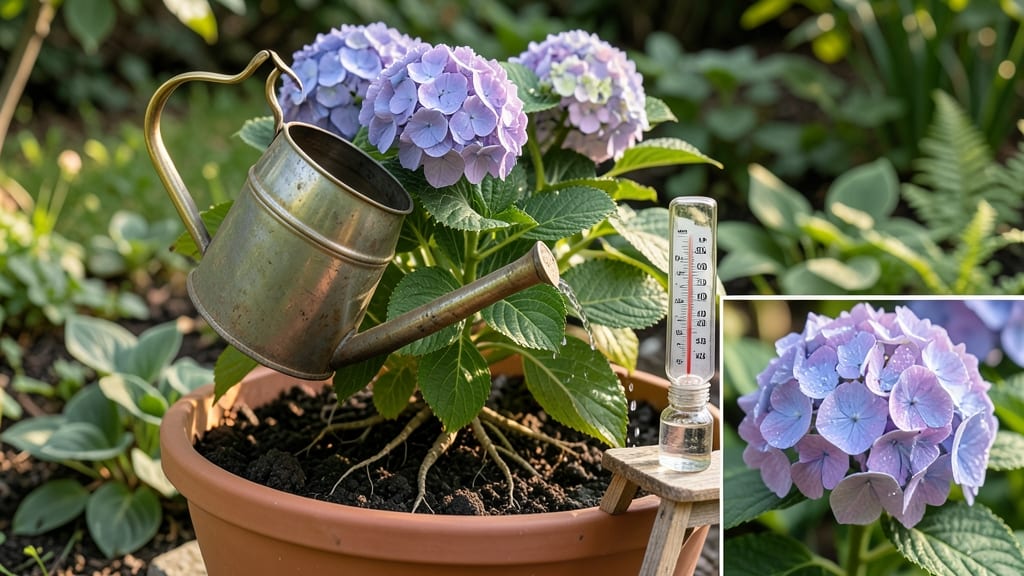
Room-temperature water (about 60-70°F) is ideal for flowers because it prevents temperature shock, supports nutrient absorption, and reduces bacterial growth in vases, while cold water can slow blooming and warm water may encourage spoilage.
Room-temperature water works best because flowers absorb nutrients most efficiently at this neutral temperature. 🌸 Cold water can cause stems to constrict, limiting water uptake and shortening vase life, while warm water speeds up bacterial growth, turning your water cloudy in just 24 hours.
I always use filtered water to reduce contaminants and add a drop of bleach or commercial flower preservative to extend freshness—this combo keeps stems hydrated and cuts down on bacterial buildup.
For seasonal adjustments, I recommend slightly warming water in winter (to 70-75°F) since cooler homes can make room temp feel chilly to flowers. Conversely, in summer, stick to the lower end (60°F) to prevent overheating.
The key is consistency—sudden temperature changes stress stems just as much as extreme temps do.
💡 In This Article
- How Water Temperature Affects Flower Longevity
- Best Practices for Preparing Flower Water
How water temperature affects flower longevity
Flower stems are like tiny straws—when water temperature is too cold (below 50°F), the plant cells contract, creating a vacuum that slows water absorption.
This causes stems to wilt faster, especially in delicate blooms like roses or lilies. 🌸 The ideal range of 60-70°F keeps cell membranes flexible, allowing water and nutrients to flow freely through the xylem vessels (the plant's plumbing system).
At this temperature, flowers can absorb up to 30% more water in the first 24 hours compared to cold water.
The science gets even more interesting when we look at bacterial growth. Warm water (above 75°F) creates a perfect breeding ground for bacteria and fungi that thrive in vases.
These microbes clog stems within 12-24 hours, turning water cloudy and cutting vase life by 50% or more. The worst offenders are Pseudomonas bacteria, which produce enzymes that break down plant tissues. Room temperature keeps these pathogens in check while still allowing optimal hydration.
Seasonal adjustments matter too—indoor temperatures vary dramatically. In winter, when homes stay around 65-70°F, flowers may need slightly cooler water (58-62°F) to avoid overheating. Conversely, summer heat (often 75°F+) means pre-chilling water to 60°F prevents stress.
I've seen orchids last twice as long when given this seasonal attention to temperature detail.
Another critical factor is how quickly flowers respond to temperature changes. A sudden shift from 35°F (like refrigerated stems) to 80°F room air causes osmotic shock, where cells lose water rapidly.
This is why florists use 50-55°F water for transport—it's a compromise that prevents both bacterial growth and temperature shock during shipping.
For visual learners, think of flower stems like drinking straws: cold water makes them stiff and rigid, while warm water makes them too porous. Room temperature keeps them in their "sweet spot"—flexible enough to absorb water efficiently without inviting bacterial invaders.
This balance is why professional florists swear by 65°F water as their standard.
Pro tip: If you're in a rush, you can quickly adjust water temperature by placing the vase in a bowl of lukewarm water for 10-15 minutes before arranging flowers. This gentle warming prevents thermal shock while still keeping the water safe for your blooms. 💫