
Plants
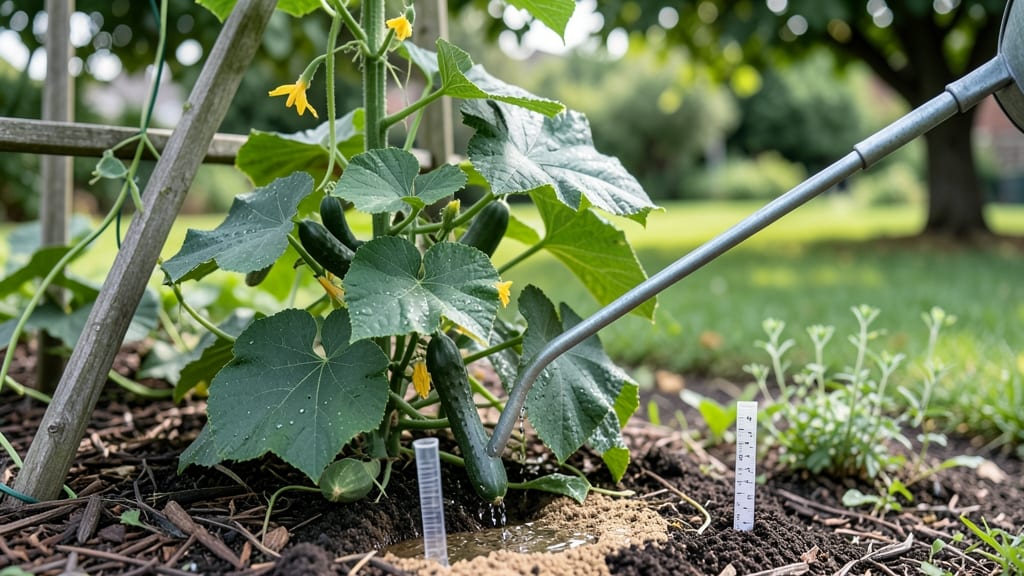
The 1-Inch weekly watering rule for cucumber plants: what it means and why it works
Cucumber plants thrive when their roots receive a consistent supply of moisture, but many gardeners struggle with the right balance. The 1-inch weekly watering rule is a science-backed guideline that ensures your cucumbers get just enough hydration without drowning.
This means delivering 1 inch of water per week directly to the soil—whether from rainfall or your hose—measured from the soil surface.
Why does this rule work? Cucumber roots typically grow 12-18 inches deep in well-drained soil, but they need moisture in the top 6 inches to stay active.
The 1-inch guideline accounts for evaporation and ensures the root zone stays hydrated without becoming waterlogged. Skipping this consistency often leads to bitter-tasting fruit or poor yields.
Here’s the catch: this rule assumes average rainfall doesn’t cover your needs. In dry climates, you’ll need to supplement with irrigation. Conversely, in rainy seasons, you might reduce watering to avoid root rot. The key is monitoring soil moisture, not just following a schedule blindly.
🌱
Measuring 1 inch of water accurately is easier than you think. Use a rain gauge (a simple DIY version works: invert a clear plastic bottle with 1-inch markings in the dirt).
Alternatively, run your hose at a moderate flow for 10-15 minutes per plant, depending on soil type. Sandy soil drains faster, so you’ll need to water more frequently than clay soil.
Daily light sprinkling might seem helpful, but it encourages shallow roots and increases fungal diseases by keeping foliage wet. Instead, focus on deep, infrequent watering—aim for the soil 6 inches down. This mimics natural rainfall patterns and strengthens your plants’ root systems for better resilience.
Container-grown cucumbers need even more attention. Pots dry out 3-5 times faster than in-ground soil, so check moisture daily by sticking your finger 1 inch deep.
If the soil feels dry, water until it runs out the drainage holes. Overwatering in containers is a common mistake—always ensure pots have drainage holes.
Heat and humidity play a huge role. During summer’s peak (75°F+), cucumbers may need 2 inches of water weekly. Watch for wilting leaves by midday—a sign they’re thirsty.
Conversely, in cooler months (60°F or below), reduce watering to 0.5 inch weekly to prevent root rot. Adjust based on your local climate, not just the calendar.
Pro tip: Mulch around your cucumber plants with straw or shredded leaves to lock in moisture and reduce evaporation. A 2-3 inch layer of mulch can cut your watering needs by 30% while suppressing weeds. This simple step saves time and keeps your plants hydrated longer between waterings.
Consistency is the golden rule. Cucumbers hate moisture fluctuations, which cause stress and poor fruit development. Stick to your watering schedule, and your vines will reward you with crisp, sweet cucumbers all season long. The 1-inch rule isn’t just a guideline—it’s your ticket to a thriving cucumber harvest.
💧
Adjusting water needs by growth stage: seedlings vs. flowering vs. fruiting cucumbers
Cucumber plants don’t drink the same amount of water throughout their lifecycle. Seedlings sip gently, flowering vines take deep gulps, and fruiting plants demand steady hydration. Ignoring these shifts can stunt growth, drop flowers, or even rot your harvest before it ripens.
Let’s break down exactly how to adjust your watering schedule at each critical stage.
The key is observing leaf texture and soil moisture. Overwatered seedlings turn yellow at the edges, while thirsty flowering vines wilt by midday. Fruiting plants, however, need consistent moisture to prevent bitter fruit or blossom-end rot. Here’s how to tailor your watering routine for each phase:
-
1. Seedlings (Weeks 1-3)
Keep soil lightly moist (top 1 inch). Water every 1-2 days with a spray bottle or gentle stream. Avoid soggy soil to prevent damping-off disease. -
2. Flowering (Weeks 4-6)
Increase to 1-2 inches per week. Water deeply 2-3x/week, focusing on roots. Yellowing leaves signal overwatering; crispy edges mean thirst. -
3. Fruiting (Weeks 7+)
Maintain steady 1.5-2 inches weekly. Water daily in heatwaves, soaking soil to 6-inch depth. Mulch to retain moisture and prevent stress.
For seedlings, I use a mist sprayer to keep the soil evenly damp without disturbing tender roots. A quick finger test—if the top inch feels dry, it’s time to water. Flowering plants, however, need a deeper drink.
Aim your hose or watering can at the base until water runs out the bottom of the pot (for containers) or seeps 6 inches into the soil.
When cucumbers start fruiting, consistency is everything. I set a morning watering schedule to reduce fungal risks and avoid wetting leaves. If you notice wilting by noon, your plants are begging for more water.
Conversely, yellowing leaves or mushy stems mean you’re overdoing it. Adjust based on these visual cues, and your vines will reward you with crisp, sweet cucumbers.
Pro tip: Use a moisture meter or the screwdriver test—if a screwdriver twists easily into the soil, your cucumbers are hydrated. If it pulls out dry, water immediately. This simple trick saves time and prevents stress during the critical fruiting stage.
Remember, container cucumbers dry out faster than in-ground plants. Check soil moisture daily in pots, while garden beds may only need watering every 2-3 days. Tailoring your approach to each growth stage ensures your cucumbers thrive from sprout to harvest.