
How To
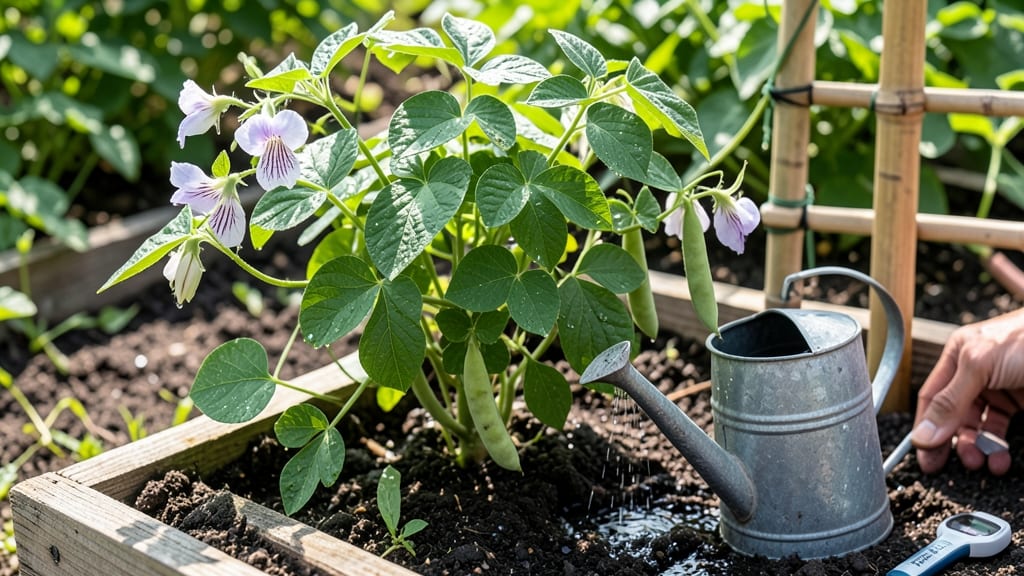
Green beans need about 1 inch of water per week to thrive, but getting that right makes all the difference between a bountiful harvest and wilted plants.
You’ve probably planted your 🌱 green beans with high hopes, only to watch them struggle when the weather turns dry—or worse, drown in soggy soil. The key isn’t just how much you water, but when and how you do it.
In USDA Zone 6a, where spring planting kicks off in April, young seedlings need frequent but shallow watering to keep soil moist without rotting roots. Once they mature, deep watering at the base—early in the morning—helps them absorb moisture efficiently while avoiding fungal diseases.
Below, I’ll break down the 1-inch rule, how to adjust for heatwaves or containers, and the telltale signs your plants are thirsty or drowning. No more guesswork—just a foolproof system for crisp, productive green beans all season.
The 1-Inch water rule for green beans: how deep to water correctly
Green beans thrive when their roots receive consistent moisture without becoming waterlogged. The 1-inch water rule means applying enough water to penetrate 1 inch deep into the soil around your plants. This ensures roots stay hydrated while preventing root rot or fungal diseases.
Think of it as giving your green beans a satisfying drink rather than a quick sip—deep and thorough watering encourages stronger root systems.
Why does this rule work? Green beans have shallow root systems that spread horizontally rather than deep into the soil.
When you water deeply, you replicate natural rainfall patterns, encouraging roots to grow wider and access nutrients more efficiently. Surface watering only wets the top layer, leaving lower roots thirsty and stressing the plant. The 1-inch guideline balances hydration and aeration for optimal growth.
To test if your soil meets the 1-inch moisture level, use the finger test. Stick your index finger about 1 inch into the soil near the plant's base. If it feels dry at this depth, it's time to water.
If it's still damp, wait another day. Morning watering is ideal because it allows foliage to dry quickly, reducing the risk of powdery mildew—a common issue in humid climates.
Seedlings are especially delicate and require gentler watering to avoid washing away their fragile soil. For the first 2 weeks, aim for just ½ inch of moisture every 2-3 days. Use a spray bottle or a small watering can with a fine rose to deliver water slowly.
Overwatering at this stage can cause damping-off disease, where seedlings collapse at the soil line. Keep the soil consistently moist but never soggy—think of a wrung-out sponge.
As your green beans mature, their water needs increase slightly. During the vegetative growth stage (3-6 weeks), return to the 1-inch rule but adjust frequency based on weather.
In hot, dry conditions, you may need to water every 2-3 days, while cooler or rainy periods might extend this to every 4-5 days. Always water at the base of the plant to avoid wetting leaves, which can lead to fungal infections like rust or blight.
When your plants begin flowering and podding, they enter their most water-intensive phase. This is when you might increase depth to 1.5 inches and frequency to every 2-3 days. Look for visual cues: wilting leaves or drooping vines signal underwatering, while yellowing leaves or mushy stems indicate overwatering.
Healthy pods should be plump and glossy, not shriveled or rubbery. Adjust your watering schedule based on these signs rather than sticking rigidly to the 1-inch rule.
Container-grown green beans need more frequent watering because pots dry out faster. Check the soil daily during hot weather—if the top inch feels dry, water thoroughly until it drains from the bottom. Self-watering containers or drip irrigation can help maintain consistent moisture.
Avoid letting containers sit in standing water, as this can lead to root rot in the confined space. Mulching around container edges with straw or shredded leaves helps retain moisture and regulate soil temperature.
Overwatering is just as damaging as underwatering. Signs include yellowing leaves, moldy soil, or plants that feel mushy when touched. If you suspect overwatering, let the soil dry out slightly before resuming your schedule.
For underwatering, you’ll see crispy leaf edges, wilting despite watering, or stunted growth. In both cases, adjust your approach: deep and infrequent beats shallow and frequent. Use a moisture meter if you’re unsure—it’s a game-changer for precision watering.
Pro tip: Pair the 1-inch rule with mulching to maximize efficiency. A 2-3 inch layer of organic mulch (like straw or wood chips) locks in moisture, reduces evaporation, and keeps roots cool. This means
When and how often to water green beans based on climate
Your green beans thrive on consistency, but their watering needs shift dramatically depending on whether you're battling 100°F heat or humid 80% humidity.
In my hot/dry climate, I've learned to water deeply in the early morning to prevent fungal diseases, while my neighbor in the southeastern US waters less frequently because her soil stays moist longer. Let's break down the perfect schedule for your growing conditions.
Container gardens need more frequent watering than in-ground plants because pots dry out faster. I once killed a batch of bush beans by sticking to my in-ground schedule—until I realized the 5-gallon pots needed water every 2-3 days in summer.
The key is checking soil moisture with your finger: if the top 1-2 inches feel dry, it's time to water.
In my own container garden, I use a simple trick to track watering: I place a plastic bottle with markings at the pot's base. When the water level drops to the 1-inch mark, it's time to refill.
This visual cue has saved me from both overwatering and underwatering disasters. For in-ground plants, I rely on the "squeeze test": if a handful of soil crumbles when squeezed, it's dry enough.
Don't forget that mulching is your best friend for consistent moisture. I spread 2-3 inches of straw mulch around my plants, which reduces watering needs by 30-50% by blocking evaporation.
Just keep the mulch 2 inches away from stems to prevent rot. For container plants, use coconut coir or peat moss as a top layer.
One final tip: Adjust for growth stages. Young seedlings need gentle, frequent watering to establish roots, while mature plants with flowering pods require deeper watering. I water my seedlings with a spray nozzle to avoid disturbing the soil, then switch to deep watering at the base once they're established.
With these climate-specific schedules, your green beans will stay hydrated without drowning. The key is observing your plants daily and adjusting as needed—your garden will thank you with bountiful harvests all season long. 🌱