
Watering
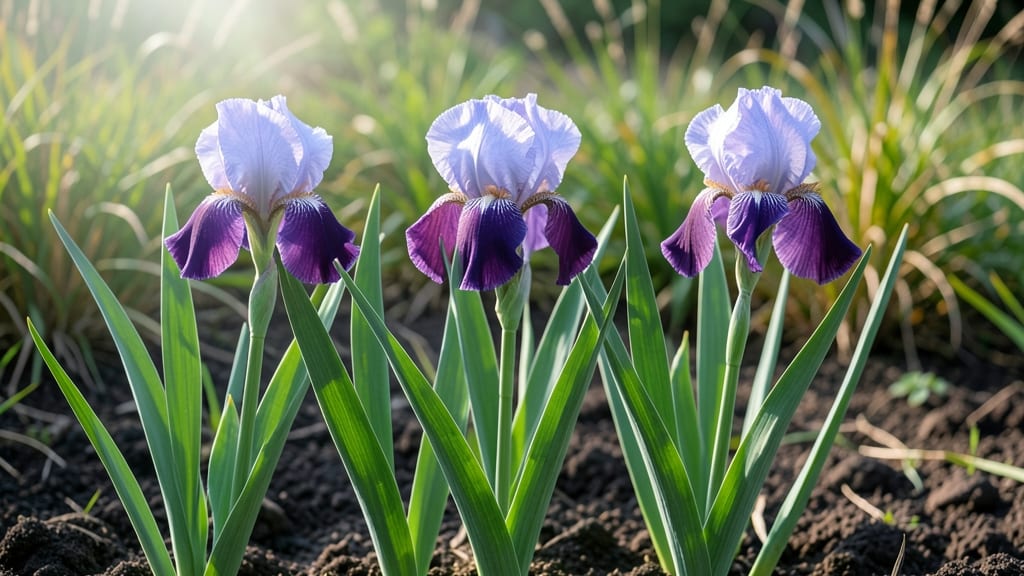
Watering irises properly means how much water do irises need—about 1 inch of water per week—just enough to keep the soil moist but not soggy, and it’s the key to those vibrant blooms you love.
Struggling to keep your irises blooming beautifully? The right watering routine is the secret weapon most gardeners overlook—and it’s simpler than you think.
Too little water, and your 🌸 irises will wilt or produce sparse flowers. Too much, and you risk rot or stunted growth. The trick is balancing moisture with airflow, especially in USDA Zone 6a where spring rains can make it tricky.
Below, I’ll break down the 1-inch rule, seasonal adjustments, and how to tell if you’re over- or under-watering—so you can enjoy healthy, thriving irises every season.
The 1-Inch watering rule: how much water irises really need
If you’ve ever watched your irises struggle with floppy stems or yellowing leaves, you’re not alone. Most gardeners either overwater or underwater these beauties—and the key to vibrant blooms lies in a simple rule: 1 inch of water per week.
This isn’t just a guess; it’s a science-backed standard that keeps iris roots happy without drowning them. Let’s break down exactly what this means for your garden.
The 1-inch watering rule ensures your irises get just the right amount of moisture to reach their roots—about 6 inches deep—without sitting in soggy soil. Think of it like a slow drink for thirsty plants: deep enough to satisfy their needs but not so much they choke.
For most gardeners, this translates to one thorough watering session per week, adjusted for rain and seasonal changes. But here’s the catch: surface watering won’t cut it. You need to water until the soil is moist 6 inches down, not just damp at the top.
Why does this rule work so well for irises? These plants are drought-tolerant once established, but they still need consistent moisture during their growing season (spring through early summer). Too little water, and they’ll wilting blooms and stunted growth.
Too much, and you risk root rot or fungal diseases like iris borers. The 1-inch rule strikes the perfect balance, giving you a foolproof guideline whether you’re in a hot, dry climate or a cooler, rainy region.
🌸
| Watering Requirement | Specification | Seasonal Adjustments |
|---|---|---|
| Weekly Water Depth | 1 inch (2.5 cm) total | Spring/Summer: 1x/week Fall/Winter: Reduce to bi-weekly |
| Soil Moisture Depth | 6 inches deep | Use a trowel to check; soil should feel damp, not soggy |
| Watering Time | Early morning (6-9 AM) | Avoid evening watering to prevent fungal risks |
| Rainy Season Adjustment | Skip watering if 1 inch of rain falls | Use a rain gauge to track accumulation |
| Overwatering Signs | Yellow leaves, mushy stems | Reduce watering immediately; improve drainage |
To put the 1-inch rule into practice, start by measuring your soil moisture with a simple tool: a screwdriver or trowel. Push it 6 inches deep into the soil around your irises. If it comes out dry, give your plants a deep watering until moisture reaches that depth.
If it’s already damp, hold off until the next check. This method eliminates guesswork and ensures you’re watering smartly, not blindly. Pro tip: Water at the base of the plant, avoiding the foliage to prevent disease.
Now, let’s talk about seasonal tweaks, because irises aren’t one-size-fits-all year-round. During spring and summer—their peak growing season—stick to the 1-inch weekly rule. But when fall rolls around and temperatures drop, reduce watering to every 2 weeks.
In winter, most irises enter dormancy and only need a monthly drink unless you’re in a freeze-prone zone, where you might need to water lightly to prevent desiccation.
Always adjust based on your local climate; desert gardeners will need to water more frequently, while those in rainy regions can scale back.
One of the biggest mistakes I see gardeners make is watering too often but not deeply enough. A light sprinkle every few days might keep the topsoil moist, but it won’t satisfy the deep roots of irises.
This shallow approach leads to weak stems and smaller blooms because the plant isn’t getting the hydration it craves. Instead, focus on infrequent, deep watering sessions. Think of it like training your irises to develop a strong root system—the deeper they go, the more resilient they become.
💧
What about overwatering? This is where things get tricky because irises hate soggy feet. If you notice <
Seasonal watering schedule: when and how to adjust for irises
Irises thrive with a seasonal watering approach that matches their natural growth cycle. In spring, when roots establish after planting, they need consistent moisture to support new foliage.
By summer, established irises become drought-tolerant, while fall and winter require minimal water as they enter dormancy. Adjusting your routine month-by-month ensures vibrant blooms without overwatering risks.
Overwatering irises leads to yellow leaves and root rot, while underwatering causes wilting foliage and missed blooms. The key is balancing moisture with their natural needs—especially during their active growing season (March–June).
Let’s break down how to tailor your watering schedule for each season to keep your irises healthy and flourishing.
- 🌱 Spring (March–May): Water 1 inch per week—deeply 2–3 times weekly. New rhizomes need moisture to root.
- ☀️ Summer (June–August): Reduce to 1 inch every 7–10 days. Established irises tolerate drought; water only if soil feels dry 2 inches down.
- 🍂 Fall (September–November): Cut back to 1 inch every 2–3 weeks. Prepare for dormancy by letting soil dry slightly between waterings.
- ❄️ Winter (December–February): Water monthly or only during dry spells. Mulch lightly to retain minimal moisture.
In spring, focus on deep, infrequent watering to encourage strong root growth. Aim for 1 inch of water per week, delivered in morning sessions to prevent fungal issues.
Use a rain gauge or tuna can to measure—this ensures accuracy and avoids guesswork. If your area receives 1 inch of rain, skip supplemental watering that week.
By late spring, as blooms appear, reduce frequency slightly to every 5–7 days. Irises signal thirst by drooping leaves—revive them with a deep watering at the base.
Avoid wetting foliage to prevent leaf spot diseases. In hot, dry climates, early morning watering is critical to reduce evaporation and stress.
As summer heat arrives, irises enter a semi-dormant state. Their thick rhizomes store moisture, so water only when the top 2 inches of soil feel dry.
Overwatering now leads to rotting rhizomes, while underwatering causes stunted blooms. Mulch with 2–3 inches of straw to retain moisture and regulate soil temperature.
Prepare for fall dormancy by gradually reducing water in September. By October, irises need almost no water unless your region experiences prolonged dry spells.
Let foliage yellow naturally—this stores energy for next year’s blooms. In winter, water only if the ground is bone-dry, typically once a month.
Watch for early warning signs: Wilting leaves mean underwatering, while yellowing or mushy foliage signals overwatering. Adjust your schedule based on weather and soil type—sandy soil drains faster, requiring more frequent watering, while clay holds moisture longer.
With this seasonal rhythm, your irises will reward you with bold, healthy blooms year after year. 🌸