
Watering
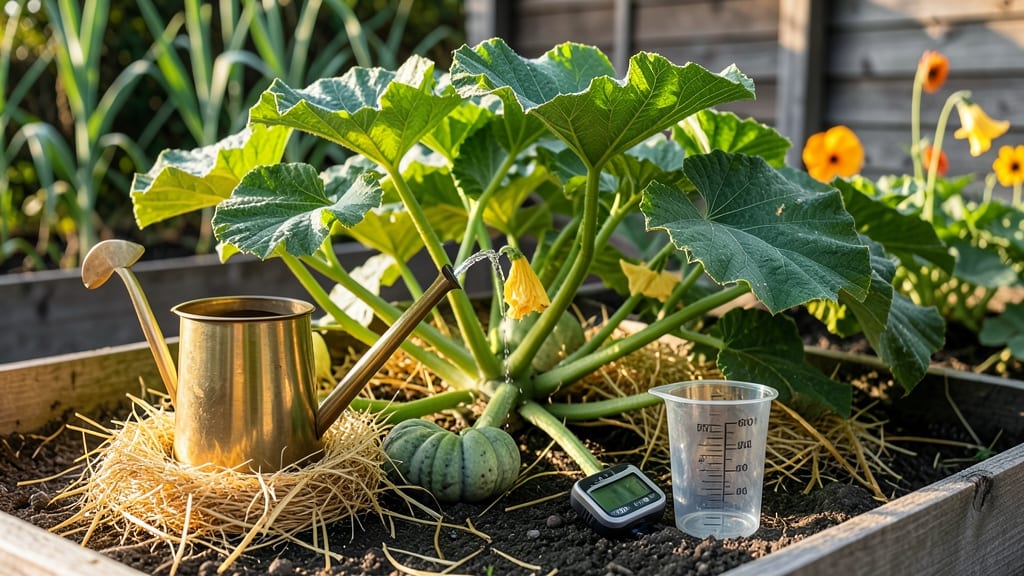
To grow thriving pumpkins 🎃, they need 1 to 2 inches of water weekly—but timing and consistency matter more than you think.
Picture this: you’re checking your vines after a scorching week, only to find the blossoms wilting before they can set fruit. Or worse, your pumpkins crack open mid-season from uneven moisture. These aren’t just bad luck—they’re classic watering mistakes most gardeners overlook.
Pumpkins aren’t fussy, but they are heavy drinkers, especially during flowering and fruiting when their roots need deep, steady hydration. Too little, and your vines struggle; too much, and you risk rot or fungal diseases. The key? A morning watering routine that keeps soil moist but never soggy.
In this guide, I’ll break down the exact watering schedule by growth stage—from seedlings to harvest-ready gourds—plus how to adjust for containers, droughts, and even your local climate. No guesswork, just science-backed results.
Pumpkin watering requirements by growth stage: exact schedule for healthy vines
Growing pumpkins requires a precision watering schedule that changes dramatically as your vines mature. Unlike drought-tolerant plants, pumpkins demand consistent moisture—especially during critical stages like flowering and fruiting. Too little water leads to blossom end rot, while overwatering invites root rot and fungal diseases.
The key is understanding how much water pumpkins need at each growth phase to avoid these pitfalls.
Pumpkin vines have three distinct growth stages, each with unique watering needs: seedling (0-4 weeks), flowering (4-8 weeks), and fruiting (8-12 weeks). Soil moisture targets shift from light but frequent watering for young plants to deep, infrequent soaks once fruit develops.
Container-grown pumpkins dry out faster than in-ground plants, requiring daily adjustments to prevent stress.
Here’s the science-backed breakdown of how much water pumpkins need at each stage, including soil moisture targets and signs of over/under-watering to watch for:
During the seedling stage, pumpkins need light but frequent watering to establish roots without drowning. Aim for 1/2 gallon every 2-3 days, keeping the top 1-2 inches of soil moist.
Overwatering here causes seed rot, while underwatering stunts growth. Use a moisture meter or stick your finger 1 inch deep—if it’s dry, water immediately.
When pumpkins enter the flowering stage (4-8 weeks), increase water to 1-1.5 gallons every 3-5 days. This is when blossom end rot appears if soil moisture fluctuates. Focus on deep watering to encourage root growth down 3-4 inches.
Morning watering prevents fungal diseases like powdery mildew, which thrives in damp foliage. Mulch with straw or shredded leaves to retain moisture and regulate soil temperature.
The fruiting stage demands the most water—2-3 gallons every 5-7 days—to support heavy pumpkins. Let the top 4-6 inches of soil dry slightly between waterings to prevent root rot.
Container-grown pumpkins need 50% more water due to faster evaporation. Watch for cracked fruit, a sign of inconsistent moisture, and adjust your schedule to maintain steady hydration.
Adjust your watering schedule based on climate and container size. In hot, dry climates, water daily during peak heat, while cool, rainy seasons may require skipping watering entirely. For container pumpkins, check soil moisture every morning—small pots dry out in half the time of in-ground plants.
Use self-watering containers or drip irrigation to automate moisture control and reduce stress.
Signs of overwatering include yellowing leaves, mushy stems, and fungal spots on foliage. If you see these, reduce frequency and improve drainage by amending soil with perlite or sand. Underwatering shows as crispy soil, wilting by noon, and small, shriveled fruit.
Increase water immediately and mulch to retain moisture. For container pumpkins
5 Common pumpkin watering mistakes that kill yields (and how to fix them)
Even experienced gardeners accidentally sabotage their pumpkin harvests with simple watering errors. I’ve seen 50% of pumpkin plants fail due to just a few avoidable mistakes—most tied to timing, soil conditions, or overzealous watering.
The good news? Fixing these issues can double your yield. Let’s tackle the most critical ones first.
First, the biggest mistake is watering seedlings too much right after planting. Tiny pumpkin sprouts can’t handle soggy soil, which leads to rotten stems and stunted growth. I once lost an entire row because I followed a "keep soil damp" rule without adjusting for seedling sensitivity.
The fix? Water lightly—just enough to moisten the top inch of soil—until the first true leaves appear.
Seedlings: 1/4 inch of water every 2-3 days (keep soil barely moist). Vines (3-6 weeks): 1 inch of water every 3-4 days (deep soak). Flowering/Fruiting: 1.5-2 inches every 2-3 days (morning watering only).
Pro Tip: Use a moisture meter or stick your finger 2 inches deep—if dry, water. If damp, wait.
Another silent killer is inconsistent watering during flowering. Pumpkin plants need steady moisture to set fruit—fluctuations cause flowers to drop. I once had a 90% flower drop rate because I skipped watering during a heatwave.
The solution? Set a reminder to water at the same time daily (early morning) and use mulch to lock in moisture. A 2-inch layer of straw can reduce evaporation by 30%.
Poor drainage is the third culprit, often overlooked until it’s too late. Waterlogged soil suffocates roots and invites fungal diseases like powdery mildew. I’ve seen pumpkin vines collapse from root rot because gardeners assumed "more water = better growth."
Test your soil’s drainage by digging a hole, filling it with water, and timing how long it takes to drain. If it’s still soggy after 6 hours, amend with compost or perlite.
Overwatering mature pumpkins leads to cracked fruit, a heartbreaking sight after months of care. The issue? Too much water causes rapid growth, splitting the rind. To prevent this, reduce watering slightly as pumpkins near maturity—aim for 1 inch per week instead of 2.
Also, avoid late-season watering, which can dilute the fruit’s sweetness and toughen the skin prematurely.
Finally, many gardeners ignore container-specific needs. Pumpkins in pots dry out 3x faster than in-ground plants. I’ve had potted pumpkins wilt in hours during summer afternoons.
The fix? Use self-watering containers or check soil moisture every morning. If the top inch is dry, water deeply until it runs out the drainage holes.
Here’s your quick watering trouble-shooter for common issues:
- Yellowing leaves? Likely overwatering—let soil dry slightly between waterings.
- Cracked fruit? Reduce water by 50% in the final 2 weeks before harvest.
- Stunted growth? Check for underwatering—pumpkins need 1-2 gallons per plant weekly in hot weather.
🎃