
Plants
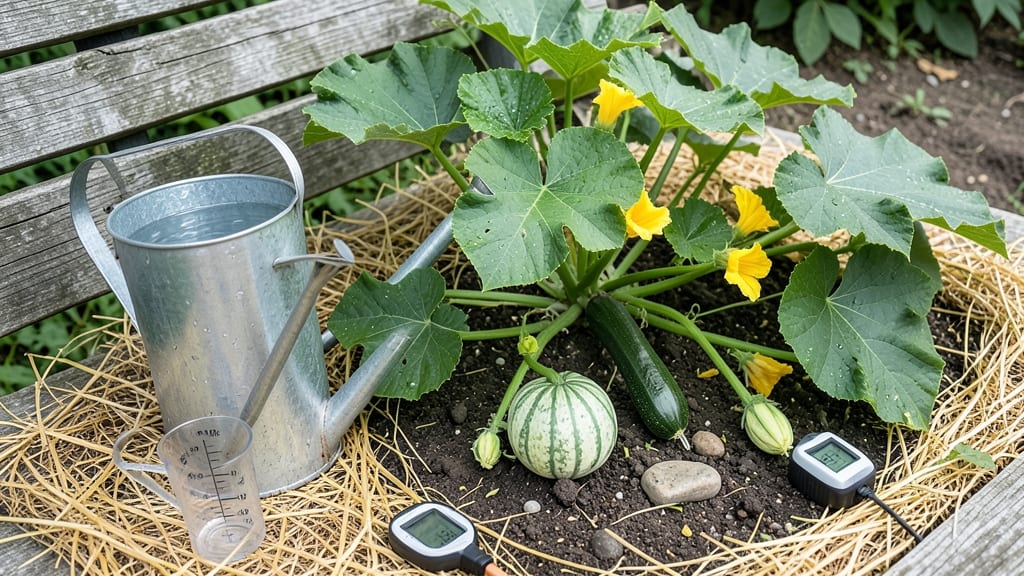
Squash plants need 1 to 2 inches of water per week to thrive, but getting it right is the difference between a bountiful harvest and a sad, wilted vine 🎃.
Picture this: you’ve just planted your squash seeds in April, and you’re eager to see those vines spread. But if you water too little, the plants struggle to establish roots.
Too much? You’ll drown them before they even get started. The key is consistency—especially during those hot summer months when the soil dries out faster than you can say "zucchini."
In this guide, I’ll break down exactly how much water your squash needs at every stage—from seedlings to harvest—plus how to adjust for heatwaves, containers, and even your local soil type. You’ll learn the signs of over- and underwatering so you can keep your plants happy without guessing.
By the end, you’ll have a foolproof watering schedule that saves time, boosts yield, and keeps your squash plants thriving from July right through September. Let’s get started!
Squash watering requirements by growth stage: seedlings to harvest
Squash plants are heavy drinkers—especially during their most critical growth phases. Getting the watering schedule wrong can mean the difference between a bountiful harvest and wilted vines. Unlike drought-tolerant herbs, squash thrive on consistent moisture, but too much water leads to rot and disease.
The key is understanding how their needs change from seedlings to harvest, and how your soil type affects moisture retention.
Bush varieties like bush butternut squash have different watering needs than sprawling zucchini vines. For example, vining types develop extensive root systems that need deeper watering, while bush types rely on frequent, shallow moisture.
Even the same variety can require adjustments based on whether you're growing in container gardens (which dry out faster) or in-ground beds (which retain moisture longer). Let’s break down the exact watering schedule your squash need at every stage.
| Growth Stage | Watering Frequency | Water Amount | Soil Moisture Goal | Key Notes |
|---|---|---|---|---|
| Seedlings (0-2 weeks) | Every 2-3 days | 0.25-0.5 inches | Lightly moist | Keep soil damp, not soggy |
| Vegetative Growth (2-4 weeks) | Every 3-4 days | 0.75-1 inch | 1-2 inches deep | Vining types need deeper water |
| Flowering (4-6 weeks) | Every 2-3 days | 1-1.5 inches | Consistently moist | Critical for pollination |
| Fruiting (6-12 weeks) | Every 1-2 days (daily in heat) | 1.5-2 inches | Deeply moist | Adjust for clay vs. sandy soil |
| Harvest to Senescence | Every 3-5 days | 0.5-1 inch | Moderately dry | Reduce water to harden rinds |
During the seedling stage (0-2 weeks), your squash plants are delicate and need gentle care. Overwatering at this phase can cause seedling rot, while underwatering stunts growth. Aim for 0.25-0.5 inches of water every 2-3 days, keeping the soil lightly moist but never soggy.
Use a spray bottle or fine mist to avoid disturbing the soil around the tiny sprouts.
Once your squash enter vegetative growth (2-4 weeks), their roots begin expanding rapidly. This is when bush varieties like bush acorn squash and vining types like straightneck squash diverge in their needs.
Bush types need 0.75-1 inch of water every 3-4 days, while vining varieties should receive 1 inch of water every 2-3 days to encourage deep root development. Test soil moisture by sticking your finger 1-2 inches deep—if it’s dry, it’s time to water.
The flowering stage (4-6 weeks) is where many gardeners see their first signs of trouble. Squash flowers are heavy and need consistent hydration to stay open for pollinators. During this phase, increase watering to 1-1.5 inches every 2-3 days.
Morning watering is ideal to prevent fungal diseases like powdery mildew, which thrives in damp leaves. If you notice flowers wilting or dropping, your plants may be thirsty or stressed.
When your squash enter fruiting (6-12 weeks), their water needs peak. This is the most critical stage for yield, and underwatering causes fruits to develop hollow centers while overwatering leads to blossom end rot. Aim for 1.5-2 inches of water every 1-2 days, adjusting for your so
How to adjust watering for squash plants in different climates
Squash plants thrive when their watering routine matches your local climate. In hot, dry regions, they need frequent deep watering to prevent stress, while humid climates demand careful monitoring to avoid fungal diseases.
Even container-grown squash has unique needs—potted plants dry out faster than in-ground varieties. Let’s break down how to adjust your watering schedule to keep your squash vines happy and productive.
First, understand that soil type plays a huge role. Sandy soil drains quickly and needs more frequent watering, while clay holds moisture longer but risks root rot if overwatered. Container-grown squash requires even more attention—small pots dry out in hours, especially in summer heat.
Always check soil moisture by sticking your finger 1-2 inches deep; if it’s dry, it’s time to water.
- Hot/Dry Climates: Water deeply every 2-3 days (1-2 inches per session).
- Humid Climates: Water morning only to prevent fungal diseases like powdery mildew.
- Containers: Check moisture daily—small pots need water every 1-2 days.
- Overwatering Signs: Yellow leaves, wilting, or mushy stems.
- Underwatering Signs: Crispy edges, drooping vines, or flower drop.
In arid climates, like the Southwest U.S., squash plants can suffer from heat stress if not watered properly. Aim for 1-2 inches of water per week, but split it into two deep sessions—once in the morning and once in the late afternoon.
This mimics natural rainfall and encourages deeper root growth. Drip irrigation is ideal here, as it delivers water directly to the roots without wetting the leaves, reducing disease risk.
For humid regions, like the Southeast, the biggest threat isn’t drought—it’s fungal infections. Water your squash early in the morning so leaves have time to dry before evening humidity sets in. Avoid overhead sprinklers, which can spread diseases like downy mildew.
Instead, use soaker hoses or drip lines buried at the base of the plant. If you notice yellow spots or white powder on leaves, cut back on watering and improve airflow by pruning nearby foliage.
Container gardening adds another layer of complexity. Since pots have limited water-holding capacity, squash plants in containers need water every 1-2 days in summer.
Choose large containers (at least 5 gallons) to give roots room to grow, and use well-draining soil mixed with compost. Self-watering pots can be a game-changer, as they deliver consistent moisture without the risk of overwatering.
Always check the weight of the pot—if it feels light, it’s time to water.
Finally, watch for tell-tale signs that your watering routine isn’t quite right. Overwatered squash will show yellowing leaves, mushy stems, or root rot (black, smelly roots). Underwatered squash will have crispy leaf edges, drooping vines, or dropped flowers.
Adjust your schedule based on these cues, and don’t forget that mature plants need 20-30% more water than seedlings. With the right approach, your squash will reward you with abundant, healthy fruit all season long.