
Flowers
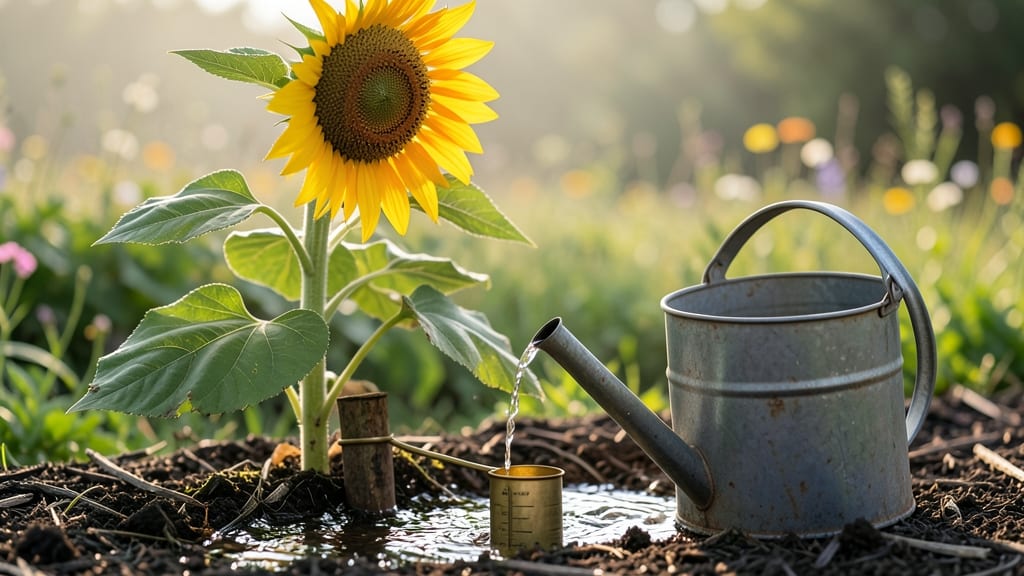
Sunflower watering schedule by growth stage: weekly requirements
Sunflowers are sun-loving giants, but their water needs change dramatically as they grow. Seedlings crave consistent moisture, while mature plants develop drought tolerance. Understanding these shifts prevents wilting or root rot. Let's break down the weekly watering schedule by each growth stage, including how to adjust for your climate.
For newly planted seeds, keep soil evenly moist but never soggy. Young roots are delicate and need daily watering until they sprout. Once sprouted, maintain 1 inch of moisture in the topsoil.
In drought-prone areas, morning watering prevents evaporation, while humid climates may require afternoon adjustments to avoid fungal risks.
Here’s how to test soil moisture: Stick your finger 2 inches deep. If dry, water deeply. If damp, wait another day. Overwatering is a common mistake—sunflowers hate soggy roots. Use a moisture meter for precision, especially in containers where drainage is critical.
During extreme heat (above 90°F), increase watering to every 2-3 days for flowering plants. In humid climates, water in the morning to reduce fungal diseases like powdery mildew. Mulch with straw or wood chips to retain moisture and suppress weeds—this cuts water needs by up to 30%.
For container-grown sunflowers, water more frequently since pots dry out faster. Check soil moisture daily and water when the top 1 inch feels dry. Use a self-watering pot if you travel often. In-ground plants benefit from deep watering (6-8 inches) to encourage strong root systems.
Adjust your schedule based on rainfall. If your area gets 1 inch of rain weekly, reduce hand-watering by half. Use a rain gauge to track accumulation. Drip irrigation is ideal for large sunflower patches—it delivers water directly to roots and saves up to 40% compared to overhead sprinklers.
Watch for wilting leaves or yellowing stems, which signal underwatering. Conversely, mushy stems or brown spots indicate overwatering. Prune damaged foliage immediately to redirect energy to healthy growth. With the right watering routine, your sunflowers will grow taller and stronger each week.
Remember: Sunflowers are resilient once established. Consistency is key—better to water deeply and less often than shallow daily sprinkles. Follow this schedule, and you’ll enjoy vibrant blooms from summer through fall.
🌻Signs your sunflowers are overwatered or underwatered (and how to fix it)
Sunflowers send clear signals when their water needs aren't met. Yellowing leaves, drooping stems, or moldy soil can all mean your plants are struggling. The key is learning to read these visual cues before they become irreversible.
I’ve seen sunflowers recover from mild stress, but severe cases require immediate action to save your towering beauties.
First, check the soil moisture by sticking your finger about 2 inches deep. If it feels damp but not soggy, your sunflowers likely have the right balance. However, if the soil stays clumpy or puddles form, you’re probably overwatering.
On the flip side, dry, crumbly soil signals underwatering. Both extremes stress your plants, but the fixes are simple once you spot the signs.
How Much Water Do Sunflowers Need?
Sunflowers need 1-1.5 inches of water per week, but adjust based on growth stage and climate. Seedlings need daily watering for the first 2 weeks, while mature plants thrive on deep watering every 3-5 days. Always water at the base, not the leaves, to prevent fungal diseases.
One of the first signs of underwatered sunflowers is wilted leaves that don’t bounce back when you touch them. The edges may also turn crispy or brown, especially in hot afternoons.
If you see this, water deeply right away—aim for 1-2 gallons per plant—and mulch around the base to retain moisture. In extreme cases, underwatered sunflowers may drop buds or fail to flower entirely.
Overwatered sunflowers show different symptoms, like yellowing leaves that start at the bottom and spread upward. The stems may feel mushy, and the soil might smell sour or rotten. If you notice mold or fungus on the soil surface, your plants are drowning.
To fix this, let the soil dry out slightly between waterings and improve drainage by adding perlite or compost to heavy clay soil. Avoid watering at night to prevent fungal growth.
Another red flag is stunted growth. If your sunflowers aren’t reaching their expected height or their stems look weak and leggy, they might be suffering from consistent overwatering or poor drainage.
In these cases, trim any damaged foliage to redirect energy to new growth and consider repotting or transplanting if the roots are waterlogged. Healthy sunflowers should grow 2-3 inches per day during peak season.
To keep your sunflowers thriving, always water in the early morning so excess moisture evaporates quickly. Use a moisture meter or the finger test to monitor soil conditions, and adjust your watering schedule based on rainfall and temperature.
With the right balance, your sunflowers will reward you with vibrant blooms and towering stems all season long.
If you catch the signs early, most sunflowers bounce back quickly. Just remember: consistency is key. Whether you’re dealing with wilting or rot, addressing the issue promptly will help your sunflowers recover and keep them on track for their full sun-loving potential. 🌻