
How To
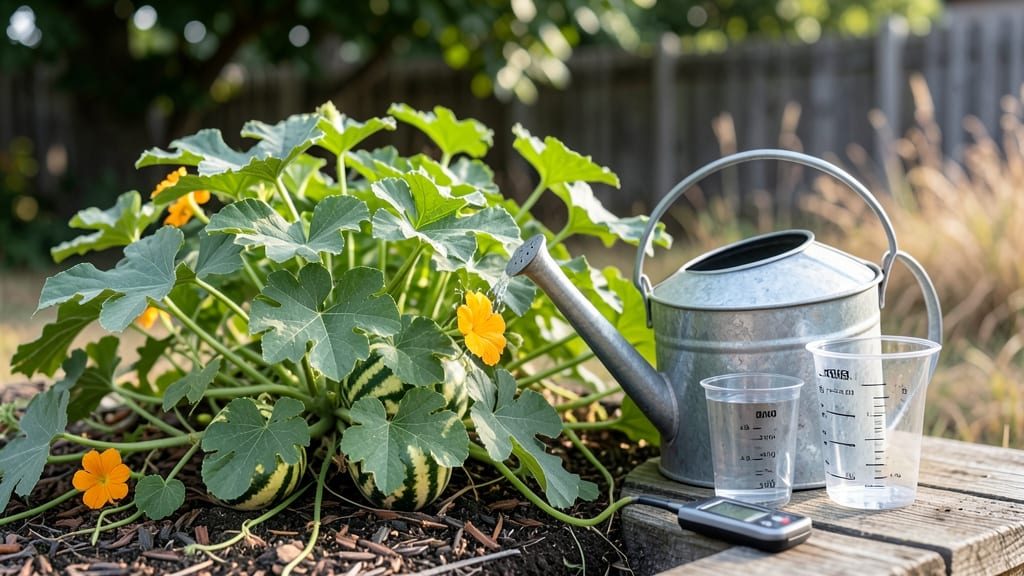
A watermelon needs 1-2 inches of water every 2-3 days to grow juicy, sweet fruit 🍉 — but timing and technique matter just as much as the amount.
Picture this: you’ve spent weeks nurturing your plants, only for them to wilt or produce bitter fruit. The culprit? Too much water drowning roots or not enough leaving vines parched. I’ve seen both happen, and the difference is all in the details.
In this guide, you’ll learn the science-backed schedule for watering watermelons at every stage—from seedlings to ripe fruit—plus how to adjust for drought, humidity, or even your local soil type. No more guesswork, just consistent, delicious results.
We’ll also cover the signs of overwatering (yellow leaves, mold) and underwatering (wilting, cracked fruit), so you can fix problems before they ruin your harvest. Ready to master the art of watermelon watering?
Watermelon watering schedule by growth stage: from seed to harvest
Watermelons are 92% water, so consistent moisture is critical—but timing and technique matter just as much. Overwatering causes blossom-end rot, while underwatering leads to bitter fruit and cracking. The key? Adjusting your watering schedule as your plants grow from tiny seeds to sprawling vines bearing heavy fruit.
Let’s break it down by stage, with soil moisture targets and frequency guidelines backed by plant physiology.
During germination (weeks 1-2), watermelon seeds need consistent dampness but not soggy soil. Think of it like a sponge—keep the top 1 inch of soil moist (test with your finger). Overwatering here risks seed rot, while too little halts sprouting.
Use a spray bottle or fine mist to avoid displacing seeds, and water twice daily in hot climates. Mulch lightly with straw to retain moisture without suffocating sprouts.
Once seedlings emerge (weeks 2-4), they enter the vine development stage, where roots are shallow but expanding rapidly. At this point, aim for 1-1.5 inches of water per week, delivered 2-3 times per week. Avoid wetting foliage to prevent powdery mildew, a common fungal issue.
Water deeply at the base of the plant in the morning to allow foliage to dry before evening. If your soil drains poorly, elevate plants on raised beds or hills to prevent root rot.
| Growth Stage | Watering Frequency | Soil Moisture Target | Key Tips |
|---|---|---|---|
| Germination (Weeks 1-2) | Twice daily (hot climates) or once daily (cool) | Top 1 inch moist | Use spray bottle; avoid soggy soil |
| Vine Development (Weeks 2-6) | 2-3 times per week | 1-1.5 inches per week | Water at base; mulch to retain moisture |
| Flowering (Weeks 6-8) | Daily (hot weather) or every other day (mild) | 1.5-2 inches per week | Increase calcium to prevent blossom-end rot |
| Fruiting (Weeks 8-Harvest) | Every 1-2 days (deep watering) | 2-3 inches per week | Monitor for cracking; adjust mulch |
When watermelons enter the flowering stage (weeks 6-8), their water needs spike to support pollination and fruit set. Increase frequency to daily in hot weather or every other day in cooler climates, aiming for 1.5-2 inches of water per week.
This is when blossom-end rot (a calcium deficiency) often strikes due to uneven moisture. To prevent it, amend soil with crushed eggshells or calcium nitrate and maintain consistent soil moisture. Avoid wetting flowers, as this can wash away pollen.
During the fruiting stage (weeks 8-harvest), watermelons demand the most water—2-3 inches per week delivered every 1-2 days in deep soakings. This stage is critical for fruit expansion and sugar development. Inconsistent watering here causes cracking (too much after drought) or hollow centers (too little).
Use drip irrigation or soaker hoses to deliver water directly to roots, and mulch heavily with straw or black plastic to lock in moisture. Reduce water slightly as fruit nears maturity to concentrate sugars.
Regional adjustments are key: in arid climates (e.g., Arizona, California), watermelons may need daily watering during peak summer, while humid areas (e.g., Florida, Louisiana) can reduce frequency to every other day to avoid fungal diseases.
Always check soil moisture by inserting your finger 2 inches deep—if it’s dry, water; if damp, wait. For container-grown watermelons, expect to water daily in summer due to rapid moisture loss from pots.
Watch for early signs of stress: Wilting leaves signal underwatering, while yellowing foliage or mushy stems indicate overwatering. Adjust your schedule based on weather and soil type. Sandy soils dry faster and need more frequent watering, while clay holds moisture longer.
If your watermelons develop blossom-end rot (dark, sunken spots on fruit), reduce water slightly and add calcium-rich amendments like gypsum. For cracking fruit, ensure even moisture by watering deeply and consistently.
Pro tip: Use a moisture meter or the "squeeze test"—grab a handful of soil; if it crumbles, water is needed. If
Signs your watermelon plants are overwatered or underwatered (and how to fix it)
Watermelons are thirsty plants, but they hate soggy roots just as much as dry soil. I’ve learned the hard way that overwatering causes yellow leaves and rot, while underwatering leads to cracked fruit and wilting vines.
The key is finding that sweet spot—1-2 inches of water every 2-3 days—while watching for these telltale signs.
Start by checking the soil moisture 1-2 inches below the surface. Stick your finger in—if it feels damp but not soaked, you’re likely on track. If it’s bone-dry, your plants need water immediately. For container-grown watermelons, the soil should dry out slightly between waterings to prevent root rot.
Watermelons need consistent moisture, but overwatering is the #1 killer. Here’s how to avoid it:
- Too much water = yellow leaves, mold, and root rot. Adjust to every 3-4 days in humid climates.
- Too little water = wilting leaves and cracked fruit. Increase to daily watering in extreme heat (90°F+).
- Inconsistent watering causes blossom-end rot. Mulch with straw or wood chips to retain moisture evenly.
💧 Pro Tip: Water at the base of the plant in the morning to reduce evaporation and fungal risk.
If your watermelon leaves turn yellow, especially the older ones, you’re likely overwatering. Check for mushy stems or white mold on the soil surface—these are red flags. To fix it, reduce watering to every 3-4 days and improve drainage by adding perlite or sand to heavy clay soil.
On the flip side, underwatered watermelons show signs like crispy leaf edges and wilting even after watering. The fruit may also develop surface cracks due to uneven moisture. Increase watering to daily deep soaks during heatwaves, and use drip irrigation to deliver water directly to the roots.
For mature watermelon plants with fruit, focus on deep watering—aim for 1-2 gallons per plant every 2-3 days. Avoid wetting the leaves to prevent powdery mildew, a common fungal issue.
If your soil feels compacted or hard, it’s not absorbing water well. Amend it with compost or coconut coir to improve moisture retention.
Finally, mulch heavily around your watermelon plants with straw or grass clippings to lock in moisture and keep roots cool. This simple trick can cut your watering needs by 30-50% while preventing soil-borne diseases.
Keep an eye on your plants, and you’ll know exactly when to reach for the hose—or hold back.