
How To
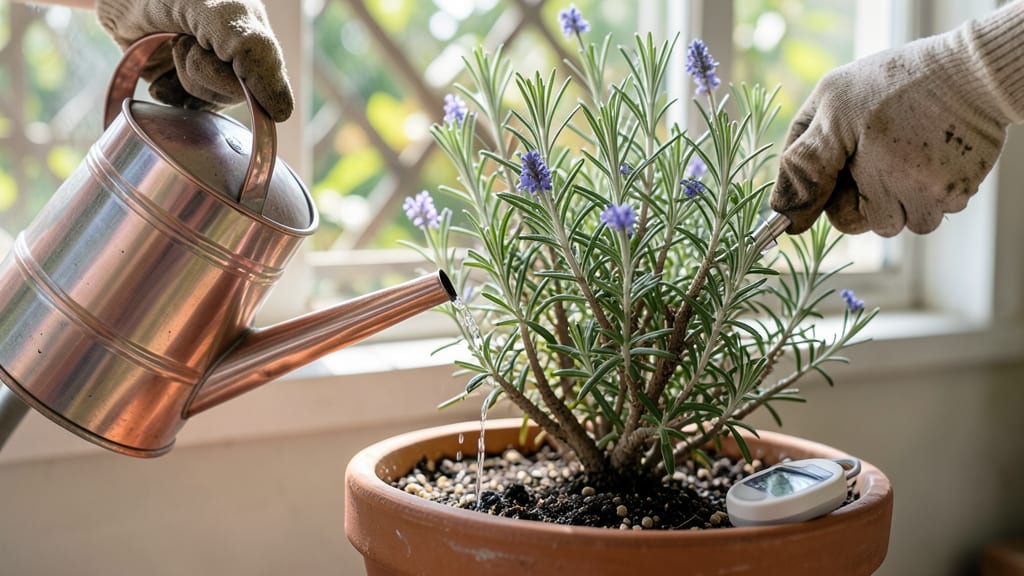
Rosemary needs watering about once every 7 to 14 days in well-draining soil, but the exact amount depends on your climate and pot size—too much can drown this Mediterranean herb faster than you can say "herb garden fail."
Picture this: You water your 🌿 rosemary every few days, thinking it loves hydration, only to watch its leaves turn yellow and drop off. That’s because rosemary hates soggy roots—it’s built for drought, not soggy soil. The trick is deep, infrequent watering that mimics its native dry conditions.
In Zone 6a, summer heat demands more frequent watering, while winter slows everything down. Container-grown rosemary dries out faster than in-ground plants, so check soil moisture before watering—stick your finger in the top inch of soil. If it’s dry, water; if it’s damp, wait.
Below, I’ll break down the exact schedule for pots vs. garden beds, how to spot overwatering (wilting leaves!) or underwatering (crispy tips), and seasonal tweaks to keep your rosemary thriving year-round.
Rosemary watering schedule: how often to water for optimal growth
Rosemary is a Mediterranean native that loves dry conditions, making it one of the most drought-tolerant herbs you can grow. Unlike thirsty plants, rosemary hates soggy soil and can suffer from root rot if overwatered. The key to success?
A consistent but light watering approach tailored to your climate and growing setup. Whether you're growing rosemary in containers or garden beds, understanding its water needs will keep your plant thriving for years.
Most rosemary plants need water every 7-14 days in well-draining soil, but this changes with season, pot size, and humidity. In hot, dry climates, you might water weekly, while humid or rainy seasons may require skipping water entirely.
The goal is to let the top 1-2 inches of soil dry out between waterings—stick your finger in the soil to check. Overwatering is the #1 killer of rosemary, so when in doubt, water less.
Climate plays a huge role in rosemary watering. In arid regions like Arizona or California, rosemary may need watering every 5-7 days in summer, while humid climates like Florida might require watering only every 2-3 weeks.
Always adjust based on rainfall and temperature. A good rule of thumb: if your rosemary looks perky and green, it’s getting just the right amount. If it’s drooping or yellowing, you’re likely overdoing it.
Potted rosemary dries out faster than in-ground plants because containers have less insulation and no ground moisture reserve. Use terracotta pots for better drainage—they wick away excess moisture. If you notice water pooling at the bottom of the pot, your rosemary is at risk for root rot.
Always ensure pots have drainage holes and use a cactus/succulent mix for soil. Mulching with gravel or pebbles can also help regulate moisture.
Seasonal changes drastically affect rosemary’s water needs. During spring and fall, water every 10-14 days for garden beds or every 7 days for pots.
In summer heat, increase frequency to every 3-5 days and water in the early morning to reduce evaporation. Winter watering should be minimal—only enough to keep soil slightly moist. If your rosemary is outdoors in freezing temps, reduce watering to once a month or let nature handle it.
One of the biggest mistakes gardeners make is watering on a schedule without checking soil moisture. Instead, test the soil with your finger: if the top 1-2 inches feel dry, it’s time to water. If the soil is still damp, wait another 2-3 days.
Overwatering causes yellow leaves and mold, while underwatering leads to crispy, brown edges. Both extremes stress the plant, so always adjust based on visual cues rather than a rigid calendar.
For newly planted rosemary, water every 5-7 days for the first month to help roots establish. After that, taper off to the standard schedule based on your climate.
Young plants are more sensitive to water fluctuations, so monitor soil moisture closely. If you’re growing rosemary indoors near a south-facing window
5 Key factors that change rosemary’s water needs (and how to adjust)
Rosemary’s water needs aren’t one-size-fits-all—they shift dramatically based on your growing conditions. As someone who’s nursed rosemary from wilting cuttings to thriving bushes, I’ve learned that pot size, drainage, sunlight exposure, soil composition, and plant age all dictate how often you should water.
Ignore these factors, and you’ll either drown your rosemary’s roots or watch it struggle in dry soil.
The biggest misconception? Thinking rosemary is a "set it and forget it" plant. While it’s drought-tolerant, that doesn’t mean it’s care-free. For example, my terracotta pot rosemary needs water every 5-7 days in summer, while my in-ground rosemary in the same climate thrives on bi-weekly waterings.
These differences matter—your rosemary’s survival depends on them.
- 🪴 Pot Size: Small pots (under 6") need water every 3-5 days; large pots (12"+) can go 10-14 days between waterings.
- 💧 Drainage: Poor drainage = water every 5-7 days; well-draining soil = every 10-14 days.
- ☀️ Sunlight: Full sun (6+ hours) = bi-weekly; partial shade (3-4 hours) = weekly.
- 🌿 Soil Type: Sandy soil = water every 7 days; clay soil = every 10 days.
- 🌱 Plant Age: Young plants (under 1 year) = weekly; mature plants (2+ years) = bi-weekly.
Let’s start with pot size, because container-grown rosemary dries out faster than in-ground plants. A 6-inch terracotta pot loses moisture through its porous walls, so I water mine every 3-5 days in summer.
Switch to a 12-inch pot, and you can stretch waterings to 10-14 days. Plastic pots retain moisture longer, so adjust your schedule accordingly—water every 5-7 days instead.
Next, drainage makes or breaks rosemary. If your pot lacks drainage holes or your garden bed has compacted soil, water sits around roots, causing root rot.
To fix this, I add perlite or coarse sand to potting mixes and avoid watering until the top 2 inches of soil are bone-dry. For in-ground rosemary, amend heavy clay soil with compost or grit to improve drainage.
Sunlight exposure is another game-changer. Rosemary in full sun (6+ hours daily) transpires faster, so I water mine bi-weekly in summer. Move it to partial shade (3-4 hours of sun), and you’ll need to water weekly to prevent stress. I’ve seen rosemary in shady spots develop yellow leaves from inconsistent moisture—always match watering to light conditions.
Don’t overlook soil composition. Sandy soil drains quickly, so rosemary in these conditions needs weekly waterings to stay hydrated. Clay soil, on the other hand, holds moisture longer, reducing frequency to every 10 days.
I test soil by squeezing a handful—if it crumbles easily, it’s dry; if it sticks together, wait to water.
Finally, plant age affects water needs. Young rosemary plants (under 1 year) have smaller root systems, so they need weekly waterings to establish. Mature plants (2+ years) with deep roots can handle bi-weekly waterings.
I’ve revived struggling rosemary by adjusting watering based on age—once it reached 2 feet tall, I cut back to every 10 days and saw immediate improvement.