
How To
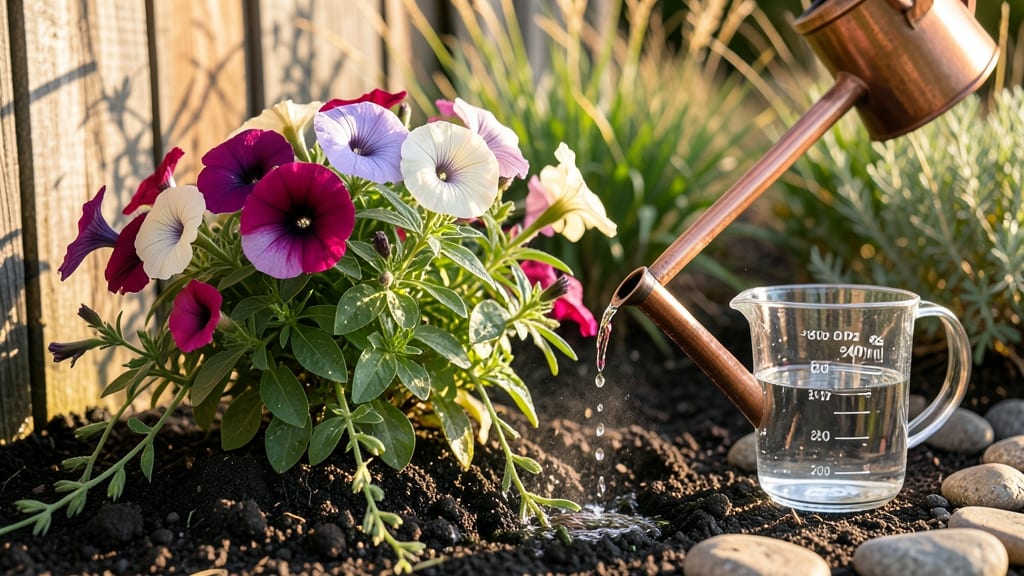
Watering petunias the right way keeps your 🌸 blooms vibrant and your garden thriving all season long.
Picture this: you’ve spent hours planting and nurturing your petunias, only to watch them droop mid-summer because you either drowned them or left them parched. The secret to lush, long-lasting petunias isn’t just about how often you water—it’s about how much and when, tailored to your soil type.
Too little water, and your petunias wilt faster than a forgotten salad. Too much, and you risk root rot, turning your vibrant blooms into a sad, soggy mess. The good news? A simple weekly schedule—adjusted for sandy, loamy, or clay soil—can make all the difference.
In this guide, I’ll break down the exact watering routine your petunias crave, plus how to spot over- or under-watering before it’s too late. Whether you’re growing them in containers or garden beds, you’ll learn how to keep those flowers popping from June to October.
Petunia watering schedule by soil type: daily vs weekly needs
Petunias thrive with consistent moisture, but their watering needs shift dramatically based on your soil type. Sandy soil drains too quickly, while clay holds water like a sponge—both extremes stress petunias.
The key is understanding how your soil behaves to deliver 1-2 inches of water weekly, adjusted for seasonal heat or drought. Let’s break down the perfect schedule for each soil type to keep your petunias blooming nonstop.
Your soil type determines how often you water and how deeply. For example, sandy soil needs daily checks, while clay soil may only require watering every 4-5 days. Overwatering in clay causes root rot, while underwatering in sand leads to crispy petals.
The goal? Keep soil evenly moist—never soggy, never dry. Let’s dive into the specifics for each soil type and how to adjust for extreme weather.
| Soil Type | Watering Frequency | Depth per Watering | Signs of Overwatering | Signs of Underwatering |
|---|---|---|---|---|
| Sandy | Daily (morning) | 1-2 inches | Yellowing leaves, mold | Wilted petals, dry soil |
| Loamy | Every 2-3 days | 1.5 inches | Stunted growth, leaf drop | Crispy edges, drooping |
| Clay | Every 4-5 days | 1 inch (surface only) | Root rot, mushy stems | Cracked soil, wilting |
For sandy soil, watering daily in the morning is non-negotiable. This soil drains faster than a sieve, so petunias lose moisture within hours. Stick your finger 1 inch deep—if it’s dry, water immediately.
In extreme heat (above 90°F), switch to twice-daily watering to prevent wilting. Mulch with straw or pine needles to slow evaporation and keep roots cool.
If you have loamy soil—the gardener’s Goldilocks—water every 2-3 days during warm weather. Loam retains moisture well but still drains efficiently, making it ideal for petunias. Test moisture by squeezing a handful: if it crumbles easily, it’s time to water.
In container gardens, loamy soil may dry faster, so check daily. Always water at the base of the plant, not the leaves, to avoid fungal diseases like powdery mildew.
Clay soil is the trickiest because it stays soggy for days after watering. Here, the rule is: water less, but deeply. Every 4-5 days, soak the soil until water pools on the surface, then let it absorb. Avoid watering if the top 2 inches feel damp. To improve drainage, mix in compost or perlite before planting. If your clay soil feels like cement, consider raised beds filled with a 50/50 mix of loam and compost.
Extreme weather throws off even the best watering schedule. During heatwaves, increase frequency by 30-50%, regardless of soil type. For example, clay soil might need watering every 3 days instead of 5.
Conversely, during cool, rainy weeks, cut back to every 5-7 days and monitor for puddles. Use a rain gauge to track precipitation—if you’ve had 1 inch of rain, skip watering entirely.
Signs of overwatering include yellowing leaves, mushy stems, and a foul smell near the roots. If you spot these, stop watering for 2-3 days and let the soil dry out. For underwatering, look for crispy petal edges, wilting even after watering, and soil that pulls away from the pot.
Adjust your schedule immediately—petunias recover faster from drought than from rot. A simple fix? Water deeply at sunrise to give roots a full day to absorb moisture.
Container-grown petunias need more frequent watering than in-ground plants because pots dry out faster. Check soil moisture daily by lifting the pot—if it’s light, water thoroughly. Use self-watering containers or place pots on trays filled with pebbles and water to maintain humidity.
In hanging baskets, water from the bottom to ensure even moisture distribution. Pro tip: Use a moisture meter for accuracy, especially in mixed soil types.
Seasonal shifts demand flexibility. In spring, when petunias are establishing roots, water lightly every 2-3 days to encourage growth. By summer, ramp up to daily watering, especially in full sun. As fall approaches, reduce frequency to every 3-4 days unless temperatures stay high.
If you’re growing petunias as perennials in mild climates, taper off watering in late fall to prepare for dormancy.
Remember, petunias are thirsty but not drowning plants. The secret to vibrant blooms lies in consistency—stick to your soil’s schedule, adjust for weather, and always water at the root zone. With this tailored approach, your petunias will reward you with nonstop color all season long. Happy gardening!
Top 5 mistakes killing your petunias (and how to fix them)
If your petunias are looking sad with droopy leaves or sparse blooms, watering mistakes are often the culprit. Petunias need consistent moisture but hate soggy roots—finding that balance is key. Many gardeners unintentionally drown their plants or leave them thirsty, both of which stunt growth and reduce flowering.
One of the biggest mistakes is watering on a schedule rather than checking soil moisture. Container petunias dry out faster than those in garden beds, while clay soil holds moisture longer than sandy soil. Without adjusting for these factors, you risk either underwatering or overwatering—both equally damaging to your plants.
🚨 callout warning 🚨
- Sandy soil: Water every 1-2 days (dries quickly)
- Loamy soil: Water every 2-3 days (ideal balance)
- Clay soil: Water every 3-4 days (retains moisture)
Another common error is watering at night, which encourages fungal diseases like powdery mildew. Always water in the early morning so leaves dry quickly. If you notice yellowing leaves or white powdery spots, cut back on evening watering and improve air circulation around your petunias.
For container-grown petunias, the fix is simple: use pots with drainage holes and water when the top inch of soil feels dry. Add a layer of mulch (like straw or shredded bark) to retain moisture and reduce evaporation.
This is especially critical in hot climates where containers dry out rapidly.
Indoor petunias often suffer from low humidity, causing crispy leaf edges. Group plants together or use a pebble tray with water to increase humidity. Avoid placing them near vents or drafts, which can stress the plants and disrupt their water balance.
Finally, many gardeners forget that mulching is a game-changer. Apply 2-3 inches of organic mulch around your petunias to lock in moisture, regulate soil temperature, and suppress weeds. Just keep the mulch 2 inches away from the stem to prevent rot.